What to Do After Sitting Through a Long Online Meeting
Change position and ease stiffness after finishing a long online meeting with practical, low-effort steps.
https://primetempr.com/blog/what-to-do-after-sitting-through-a-long-online-meeting
Sitting through a long online meeting leaves you stiff and fatigued in one position, but you do not need an exhausting fitness routine to reset your body. Even the most ergonomic workstation cannot replace regular, simple changes of position after hours of continuous screen work.
Trying to fix hours of seated immobility with an aggressive workout often leads to frustration or physical strain, while waiting until discomfort forces an abrupt change only increases workday fatigue. This guide covers practical, realistic ways to transition out of sedentary time without turning your job into a fitness project.
Why long online meetings leave you stiff
Static sitting keeps joints and muscles in a fixed posture for extended periods. During video calls, people tend to lean forward toward the screen, narrow their field of vision, and hold unnecessary tension in the neck and shoulders.
According to workplace ergonomics guidance, a workstation should support neutral, comfortable positions, but even a well-adjusted setup requires regular changes of position to prevent physical fatigue. When meetings run back-to-back, that natural movement disappears, leading to localized stiffness in the lower back, hips, and upper body.
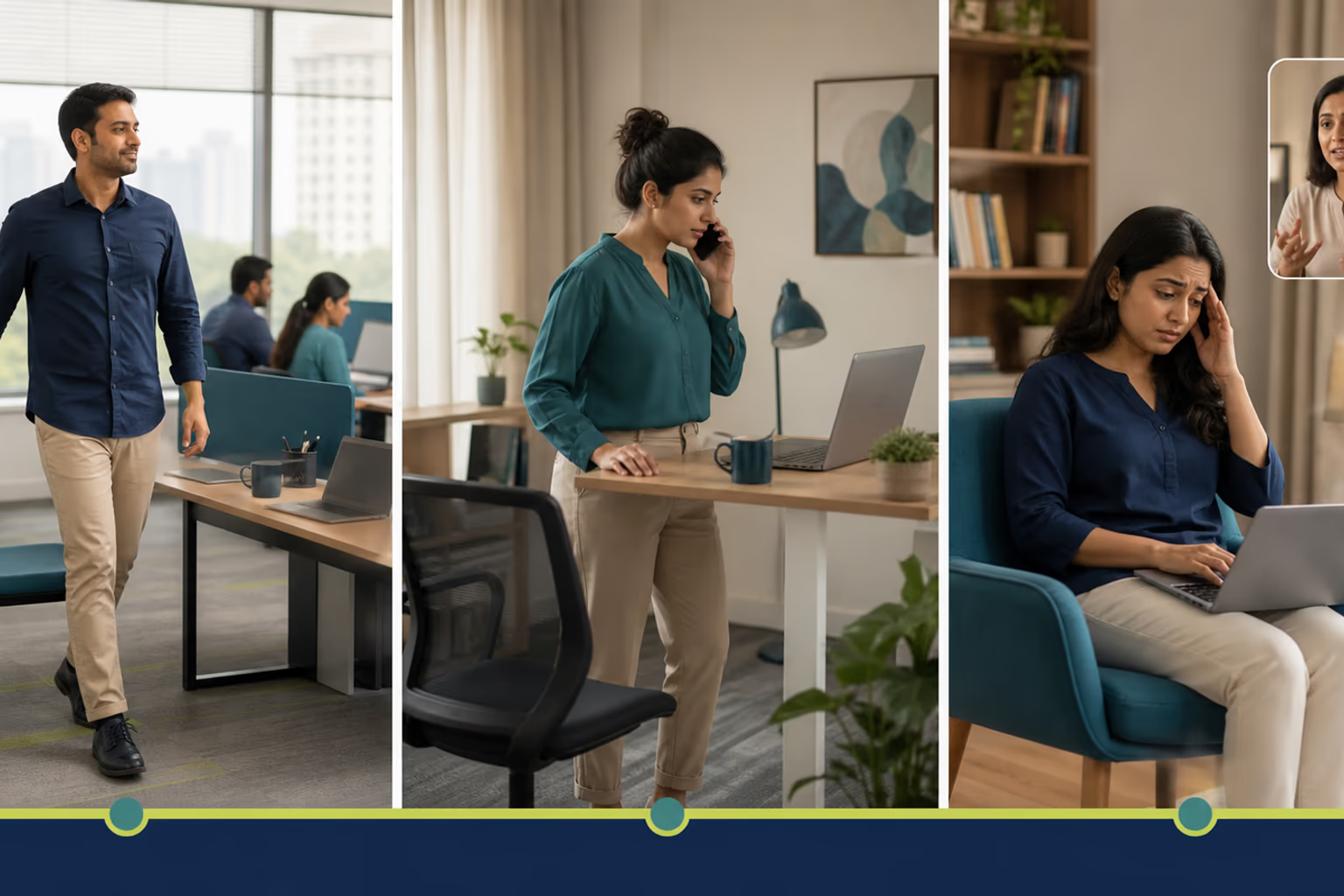
The minimum version: A one-minute position change
When a long call ends, the immediate physical action needed does not require a yoga mat or a complicated routine. You can start with a simple one-minute reset right where you are.
- Stand up from your chair immediately when the meeting concludes.
- Step away from the screen for at least sixty seconds.
- Take a few slow, unhurried breaths while lengthening your spine.
- Gently shift your weight from foot to foot to wake up your lower body.
All physical activity counts, any amount is better than none, and adults should limit sedentary time whenever possible. Taking this small pause breaks the cycle of continuous sitting without disrupting your workflow or demanding high energy.
The normal version: stepping away and moving gently
If your schedule allows a slightly longer break of three to five minutes, you can expand your transition beyond the immediate workspace.
Leave the room to drink a glass of water, walk down a hallway, or stand near an open window for a change of air and visual focus. As you walk, allow your arms to swing naturally and rotate your shoulders in gentle circles. The goal is simply to restore blood flow and change your physical relationship to gravity.
These short breaks relieve acute stiffness, though they do not replace overall physical activity goals or structured exercise. Changing position frequently requires brief pauses in a busy schedule, but building these tiny transitions into your day prevents discomfort from compounding by late afternoon.
The post-meeting position reset checklist
Use this structured checklist immediately after your next long video call to guide your transition:
- Step away from the screen for at least sixty seconds.
- Change from a seated position to a comfortable standing posture.
- Take a few slow, unhurried breaths while lengthening the spine.
- Gently rotate or move stiff joints without forcing any range of motion.
- Decide whether to return to work or take a slightly longer movement break.
When self-directed breaks need more structure
If a quick movement break is not enough to ease workday fatigue or if tension persists day after day, step back from self-guided routines and look for structured, professional support.
Self-directed pauses are helpful for managing immediate stiffness, but recurring aches often signal that your daily movement habits need closer observation. When you need more structured assistance, Prime Tempr helps desk-based readers compare trainers, short practices and nearby classes when self-directed movement breaks need more structure or personal observation. Finding the right professional guidance ensures your movement practices match your actual daily constraints and physical needs.
Follow-along reflection
Use the prompts below to review the idea in context, without turning it into a diagnosis or a fixed rule.
Trade-offs to keep in view
- Short breaks relieve acute stiffness but do not replace overall physical activity goals.
- Changing position frequently requires brief pauses in a busy schedule.
If this approach does not fit
If a quick movement break is not enough to ease workday fatigue or if tension persists, step back from self-guided routines and look for structured, professional support.
Questions to carry forward
- Why does sitting through a long online meeting cause so much stiffness?
- What is the minimum physical action needed immediately after a call?
- How can I transition from a sedentary meeting to standing or walking without a big fitness interruption?
- When should I choose a self-directed break versus seeking personal movement guidance?
Keep learning
Ready for the next step? Movement for Desk-Job Days.
Sources
Watch alongside this guide
Five movements you can do at your desk
This concise Mayo Clinic demonstration gives readers a visual menu for changing position during a workday. Use only comfortable options and stop for pain, dizziness, numbness or unusual symptoms.
The YouTube player stays unloaded until you choose to watch. Loading it connects to YouTube and may allow that service to process usage data.