What Is Slow Flow Yoga? Structure, Pacing, and Practical Trade-Offs
Learn how slow flow yoga structures its pacing and transitions so you can choose a practice that matches your energy.
https://primetempr.com/blog/what-is-slow-flow-yoga-structure-pacing-and-practical-trade-
Slow flow yoga combines physical postures, breathing techniques, and meditation with an emphasis on deliberate transitions and moderate pacing. Rather than rushing from one posture to the next or holding static alignments for extended periods, slow flow bridges the gap between fast-paced vinyasa and slower hatha styles. Because yoga combines postures, breathing, and meditation, individual styles vary significantly, and benefits should be described with uncertainty while recognizing that injuries can occur.
Understanding what happens in a class, how it compares to other styles, and where its limits lie helps you decide whether it matches your physical state today.
What actually happens in a slow flow yoga class?
A typical slow flow class moves through a sequence of postures linked by the breath, but with a notable reduction in tempo compared to power or fast vinyasa formats. Instructors generally spend more time in each transitional movement, allowing practitioners to explore range of motion and stable footing without feeling rushed.
Like many movement practices, any amount of physical activity is better than none, all activity counts, and people should look to limit sedentary time. Slow flow provides a structured way to incorporate movement into your week, but because styles vary widely by instructor, what feels measured with one teacher might feel more demanding with another.
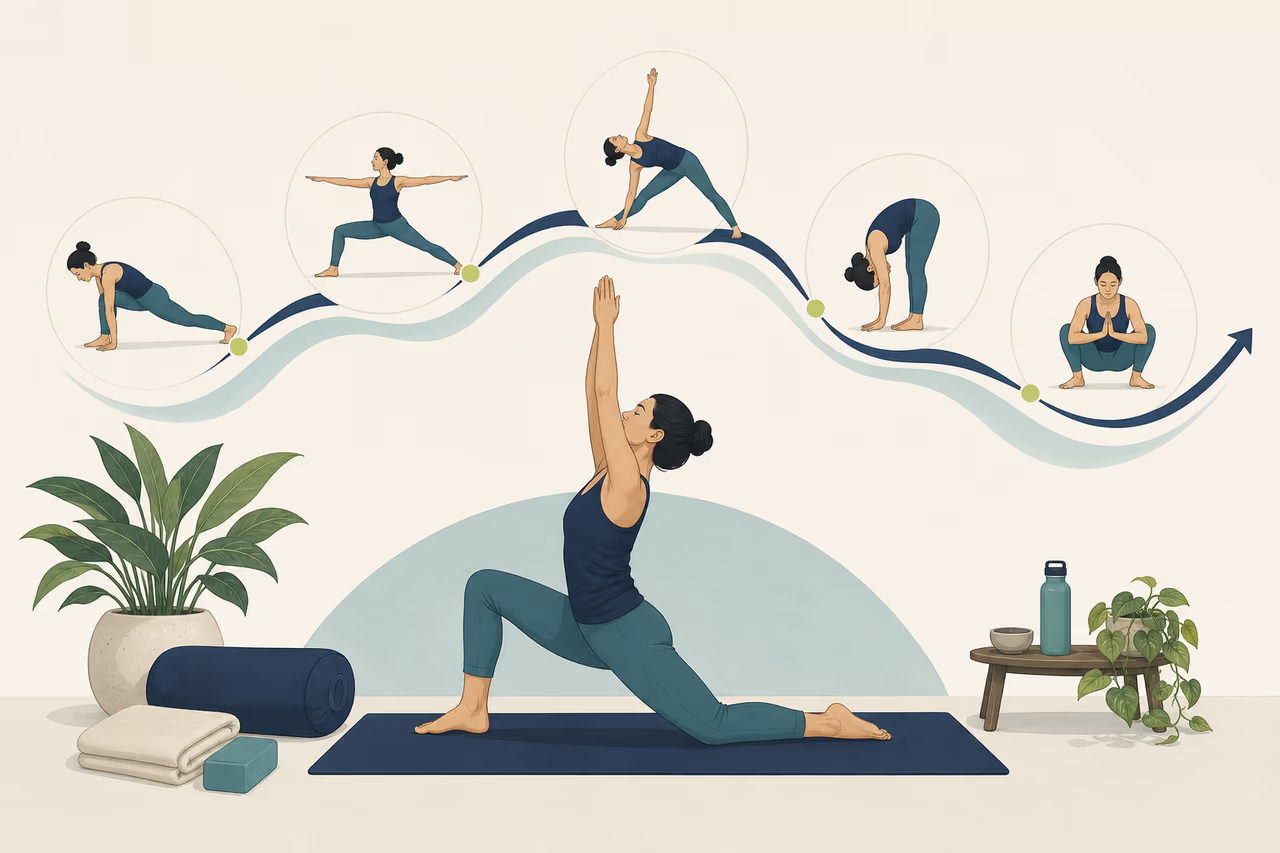
How slow flow differs from standard Vinyasa or Hatha yoga
Yoga styles span a broad spectrum of pacing and structure. Comparing these formats helps clarify where slow flow sits.
| Yoga Style | Typical Pacing | Transition Style | Primary Focus |
|---|---|---|---|
| Vinyasa | Moderate to Fast | Continuous, breath-per-movement | Flow, cardiovascular warmth, stamina |
| Slow Flow | Moderate to Slow | Deliberate, extended breath cycles | Pacing, controlled transitions, mobility |
| Hatha | Slow to Static | Distinct postures with pauses between | Alignment, holding postures, foundational stability |
While Vinyasa prioritizes continuous movement and Hatha often emphasizes holding individual shapes for longer durations, slow flow occupies the middle ground. It maintains the continuous thread of a flow class but slows the tempo down to give your nervous system and muscles more time to adjust.
Practical benefits and honest trade-offs
Approaching slow flow yoga requires an honest look at its physical trade-offs.
- The benefits: Slow flow offers a way to maintain physical activity, work on mobility, and coordinate movement with breathing. It allows ample time to enter and exit postures safely.
- The limitations: Slow flow is not a standardized regulatory term; execution depends entirely on the instructor. While it provides steady movement, it may offer less cardiovascular intensity than practitioners seeking a high-energy workout desire.
- The failure modes: A common mistake is assuming that "slow" means "easy." Slow, controlled transitions often require significant muscular endurance, particularly when holding limbs away from the center of gravity or lowering slowly to the floor. Ignoring physical limits or mild discomfort in pursuit of a continuous movement streak can also lead to strain. Because styles vary, injuries can occur if a practice is pushed past personal limits.
If a slow flow class feels too fast or too slow for your energy level on a given day, pause, reduce your range of motion, or adjust your stance.
Slow Flow Fit Check: Is This Practice Right for Today?
Before stepping onto a mat or booking a session, run through this quick checklist to evaluate your current needs:
- Check your current energy level: Do you want steady movement today without rushing from pose to pose?
- Confirm your physical comfort: Are you looking to limit high-impact transitions while maintaining physical activity?
- Review instructor pacing: Ask a prospective studio or teacher how long postures are held in their slow flow sessions.
- Take a small next step: Explore local trainers and classes to find a practitioner near you.
Style research is most useful when it leads to actionable local choices. Prime Tempr lets readers compare trainers and yoga businesses by profile, location and offering, so style research can lead to a better-fit real class rather than a generic recommendation. You can find a yoga teacher or look for yoga near you to connect your practice goals with local instruction. For deeper style comparisons, read more about Hatha, Vinyasa or Yin? Choose the class that fits today or explore our broader guide on Yoga Styles and Goals.
Sources
Watch alongside this guide
A beginner Yin yoga practice
This slower practice gives you a concrete style example to compare with the goals and class formats in the guide. Source: Yoga with Kassandra. This optional video is context, not evidence or personal instruction.
The YouTube player stays unloaded until you choose to watch. Loading it connects to YouTube and may allow that service to process usage data.