What Is Sivananda Yoga? Structure, Principles, and Practical Trade-Offs
Review Sivananda yoga principles, class structure, and practical trade-offs to decide if this steady practice fits your weekly routine.
https://primetempr.com/blog/what-is-sivananda-yoga-structure-principles-and-practical-tr
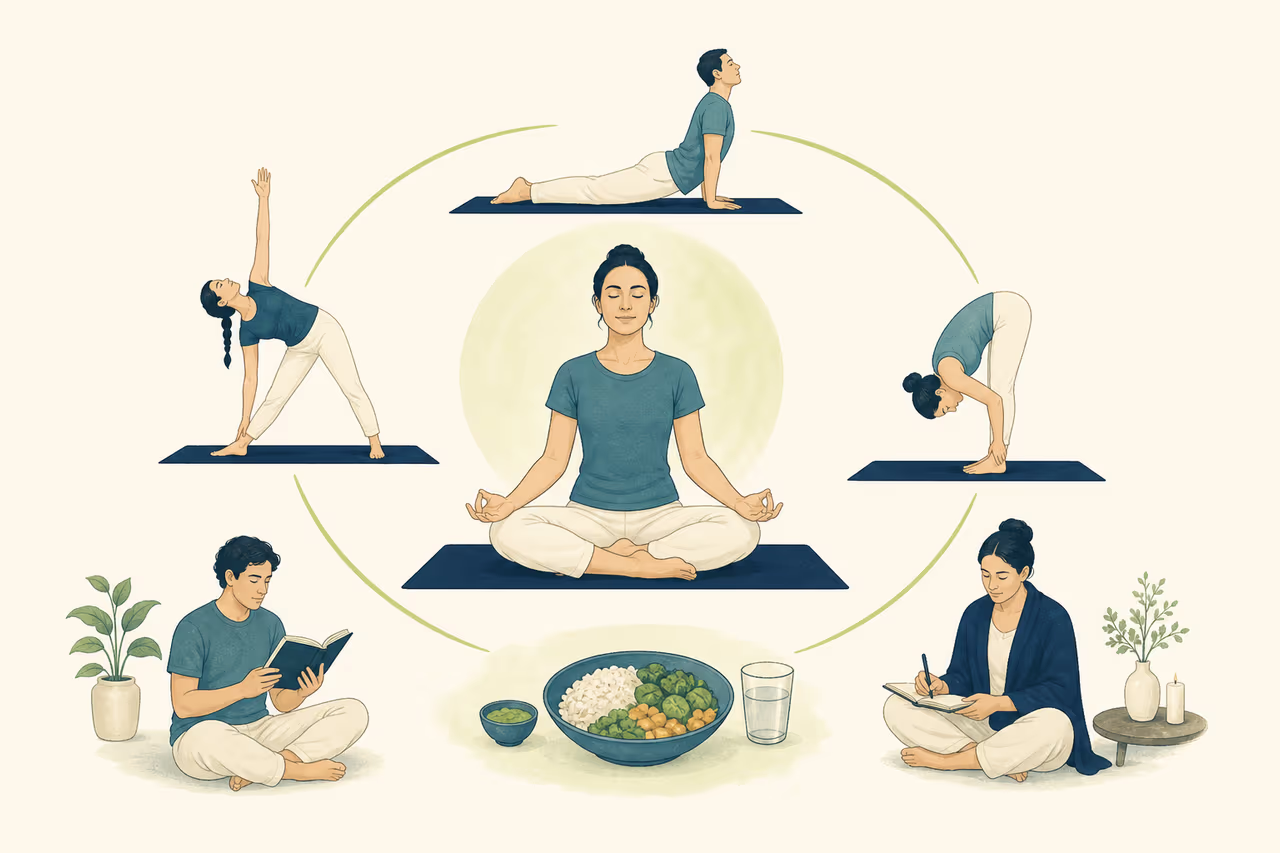
Sivananda yoga is a traditional, steady style organized around five core principles: proper breathing, exercise, relaxation, diet, and positive thinking. Rather than relying on rapid transitions or athletic intensity, it offers a methodical approach. Yoga combines postures, breathing and meditation; styles vary, benefits should be described with uncertainty, and injuries can occur if you ignore personal limits.
Understanding how this practice is structured helps you determine whether it fits your weekly routine, movement preferences, and mobility needs. Any amount of physical activity is better than none, all activity counts, and people should limit sedentary time, making informed style research a practical step toward building sustainable movement habits.
The Five Core Principles of Sivananda Yoga
The Sivananda system is built upon a holistic framework designed to support physical vitality and mental clarity. These five principles guide both individual home practice and structured studio classes.
- Proper Exercise (Asanas): Physical postures are practiced to increase strength, improve flexibility, and enhance circulation. Postures are held steadily to encourage mindfulness and body awareness rather than rushing through sequences.
- Proper Breathing (Pranayama): Breathwork is integrated to regulate the nervous system, increase vital energy, and support mental calm.
- Proper Relaxation (Savasana): Intentional rest intervals are incorporated between and during postures to release muscular tension and integrate the effects of physical exertion.
- Proper Diet (Vegetarian/Balanced): Nutritional guidelines emphasize simple, wholesome foods that support steady energy and mental clarity.
- Positive Thinking and Meditation (Vedanta): Mental focus and philosophy are cultivated to reduce stress and foster emotional equilibrium.
What Happens in a Typical Sivananda Class?
While specific pacing and sequencing vary by instructor, a traditional Sivananda class follows a recognizable, predictable format. This structure is designed to ease the body into movement, maintain steady energy, and ensure adequate recovery.
| Class Phase | Typical Focus | Estimated Duration |
|---|---|---|
| Initial Relaxation | Lying quietly in Savasana to center the mind and regulate breathing. | 5 to 10 minutes |
| Warm-Ups (Pranayama & Sun Salutations) | Breathing exercises followed by gentle rounds of movement to warm muscles. | 10 to 15 minutes |
| Core Asana Practice | A set sequence of twelve foundational postures held with steady focus. | 45 to 60 minutes |
| Final Relaxation | Deep, guided rest to restore energy and lower heart rate before leaving. | 10 to 15 minutes |
This predictable cadence helps practitioners understand what to expect from session to session, reducing the guesswork often found in more open-form movement classes.
Practical Trade-Offs and Safety Considerations
Choosing a traditional style like Sivananda involves specific trade-offs. On one hand, the emphasis on steady holding, breathing, and relaxation makes it accessible for adults seeking a balanced, non-competitive movement practice. On the other hand, the standardized sequence may feel repetitive if you prefer varied flows, or it may challenge your patience if you are accustomed to high-intensity workouts.
Style labels are tendencies rather than standardized contracts. Yoga combines postures, breathing and meditation; styles vary, benefits should be described with uncertainty, and injuries can occur. Pushing past your body signals or assuming a style is universally safe without proper modifications can lead to strain. Listening to your body and utilizing props or instructor guidance is essential for a sustainable practice.
Sivananda Yoga Class Evaluation Checklist
To help you move from style research to finding practical support, use this checklist when evaluating local classes or teachers:
- Confirm whether the class format includes dedicated time for relaxation and breathing exercises.
- Check instructor background and experience with traditional foundational styles.
- Assess whether modifications or props are available for your current mobility level.
- Determine if the studio location and schedule fit your weekly routine.
Finding the Right Class or Trainer
Researching styles is a useful first step, but real-world practice depends heavily on finding an environment that matches your goals and current physical condition. Prime Tempr lets readers compare trainers and yoga businesses by profile, location and offering, so style research can lead to a better-fit real class rather than a generic recommendation. Whether you want to explore traditional classes or alternative approaches detailed in Yoga Styles and Goals, reviewing local options on Explore trainers and studios helps connect theory with a practical, local routine. If you are deciding between different formats today, you can also read Hatha, Vinyasa or Yin? Choose the class that fits today to refine your choice.
Sources
- Yoga: Effectiveness and Safety (opens in a new tab), National Center for Complementary and Integrative Health (NCCIH).
- Physical activity (opens in a new tab), World Health Organization (WHO).
Watch alongside this guide
A beginner Yin yoga practice
This slower practice gives you a concrete style example to compare with the goals and class formats in the guide. Source: Yoga with Kassandra. This optional video is context, not evidence or personal instruction.
The YouTube player stays unloaded until you choose to watch. Loading it connects to YouTube and may allow that service to process usage data.