What Is Jivamukti Yoga? Structure, Intensity, and Practical Trade-Offs
Evaluate Jivamukti yoga's rigorous vinyasa structure, thematic teachings, and physical demands to decide if it suits your practice goals.
https://primetempr.com/blog/what-is-jivamukti-yoga-structure-intensity-and-practical-tra
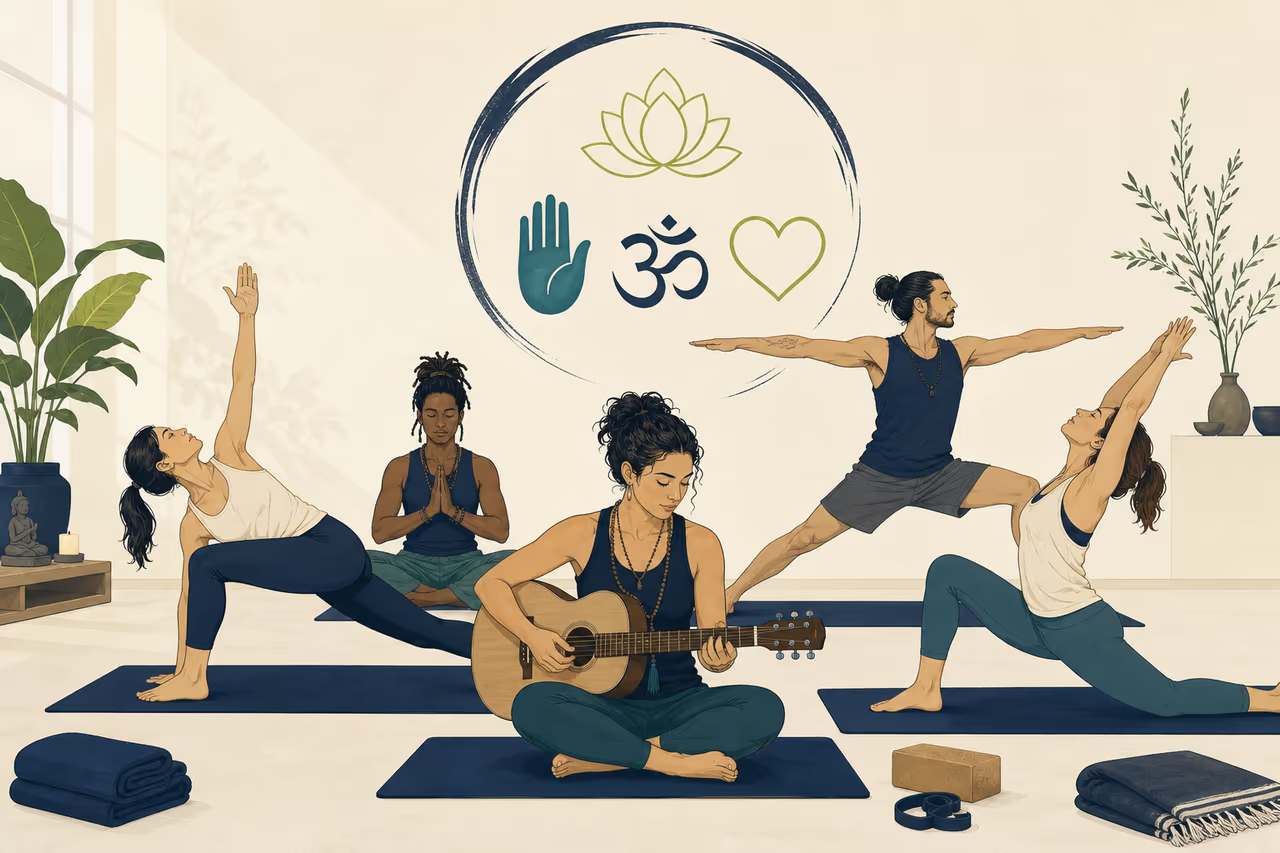
Jivamukti yoga is a vigorous, vinyasa-based style that blends physical intensity with specific ethical and spiritual themes. Unlike forms of yoga that focus primarily on silent movement or basic stretching, a Jivamukti class is structured around a teacher-led narrative, often incorporating music, chanting, and philosophical discourse alongside a fast-paced sequence of postures.
Because yoga styles vary significantly, it is helpful to view Jivamukti through the lens of its physical structure rather than its branding. It is a practice designed for those who enjoy high-energy, choreographed movement and are comfortable with a teacher who acts as both a physical guide and a thematic facilitator.
What to Expect in a Typical Class
A Jivamukti class is built on the foundation of vinyasa, meaning the postures are linked together in a continuous flow, synchronized with the breath. While every teacher brings their own interpretation, you can generally expect the following components:
- Thematic Integration: The class often begins with a focus on a specific philosophical or ethical theme. The teacher may weave this theme into the movement, encouraging you to reflect on it while you navigate the sequence.
- Vigorous Pacing: Expect to move. The sequence is designed to build heat and cardiovascular engagement. You will likely transition quickly between standing poses, balances, and floor work.
- Breathwork and Chanting: Controlled breathing (pranayama) is a central pillar. Many classes also include brief periods of chanting or meditation to bookend the physical practice.
- Assists and Adjustments: Teachers in this style are often trained to provide hands-on adjustments to help students refine their alignment. If you prefer not to be touched, it is standard practice to communicate this to the teacher before the session begins.
Practical Trade-Offs and Safety
While Jivamukti offers a robust physical workout, it is not a "one-size-fits-all" practice. Understanding the trade-offs is essential for a safe and sustainable experience.
The Intensity Factor Jivamukti is physically demanding. If you are currently recovering from an injury, managing a chronic condition, or are new to physical movement, the rapid pace may present a risk. Yoga combines postures, breathing, and meditation, but because styles vary, injuries can occur if the intensity exceeds your current capacity. Remember that any amount of physical activity is better than none, but that activity should be scaled to your present ability. If a class feels too fast, you are always encouraged to take a "child’s pose" or move at a pace that feels sustainable for your body.
Thematic vs. Secular Preference The teacher-led, thematic nature of the class is a core component of the style, but it can be a trade-off for some. If you are looking for a purely secular, silent, or "gym-style" environment, the philosophical discourse or chanting may feel intrusive. Conversely, if you enjoy being guided through a narrative, this structure may be exactly what keeps you engaged.
Alignment and Pacing Because the flow is often fast, there is sometimes less time for the teacher to provide detailed, individual alignment cues for every student. If you are a beginner, this can lead to "rushing" through poses, which increases the likelihood of strain. If you are unsure about your form, look for "open" or "beginner" level classes where the instructor intentionally slows the pace to explain the mechanics of the postures.
Is Jivamukti Right for Your Current Goals?
Choosing a yoga style that fits your life requires an honest assessment of your current needs. Use the following guide to determine if Jivamukti aligns with your goals.
Is Jivamukti Right for Your Current Goals?
- Check your current energy level: Do you want a high-intensity, sweat-inducing session? If yes, the vigor of Jivamukti may be a good match. If you are seeking restorative, low-impact recovery, you might find this style too taxing.
- Assess your preference for structure: Do you enjoy classes built around a specific theme or philosophy? If you find thematic guidance motivating, you will likely enjoy the Jivamukti approach.
- Review local teacher profiles: Prime Tempr lets you compare trainers and yoga businesses by profile, location, and offering. Style research can lead to a better-fit real class rather than a generic recommendation. Look for teachers whose descriptions emphasize "alignment-focused" or "accessible" if you are concerned about the intensity.
- Start with a 'beginner' or 'open' level class: Never jump into an advanced sequence on your first day. Gauge the pace of the teacher in an introductory setting before committing to more complex or high-intensity sessions.
Finding the Right Fit
If you find that a Jivamukti class feels too intense or conceptually overwhelming, do not view this as a failure of your practice. It is simply a sign that the style may not be the right fit for your current goals. You can pivot to a Hatha or slower-paced flow class to build foundational strength and comfort.
To find a class that meets you where you are, find a yoga teacher through our platform to see who is teaching in your area. You can also explore trainers and studios to read specific bios and class descriptions, which will help you identify instructors who prioritize safety and clear communication over pure intensity. For more help navigating your options, read our guide on how to choose a yoga style that actually fits your life.
Sources
- Yoga: Effectiveness and Safety (opens in a new tab), National Center for Complementary and Integrative Health.
- Physical activity (opens in a new tab), World Health Organization.
Watch alongside this guide
A beginner Yin yoga practice
This slower practice gives you a concrete style example to compare with the goals and class formats in the guide. Source: Yoga with Kassandra. This optional video is context, not evidence or personal instruction.
The YouTube player stays unloaded until you choose to watch. Loading it connects to YouTube and may allow that service to process usage data.