Active Recovery: A Practical Guide to Low-Intensity Movement
Discover how low-intensity movement supports circulation and mental clarity between workouts without adding systemic training stress or replacing true rest.
https://primetempr.com/blog/what-is-active-recovery-a-practical-guide
Active recovery is the practice of engaging in low-intensity movement to support circulation and mental clarity without adding systemic stress. It is not a "workout" in the traditional sense, but rather a deliberate, gentle bridge between high-effort sessions. The goal is to keep the body moving just enough to encourage blood flow and ease, rather than to push for fitness gains or calorie expenditure.
We guide readers toward restorative yoga, meditation, and trainer support while keeping educational material distinct from medical care or personal diagnosis. Understanding active recovery requires recognizing that your physical needs shift daily, meaning what restores you one day might strain you the next.
Defining Active Recovery
Active recovery involves light physical activity performed on rest days or following demanding training sessions. Intensity is the primary differentiator: if your heart rate stays elevated or your muscles strain, you have shifted from recovery into active training.
Relaxation approaches, including gentle movement and breathing, should not replace conventional medical care. If you experience persistent pain or fatigue, these practices do not substitute for a professional diagnosis.
The Role of Low-Intensity Movement
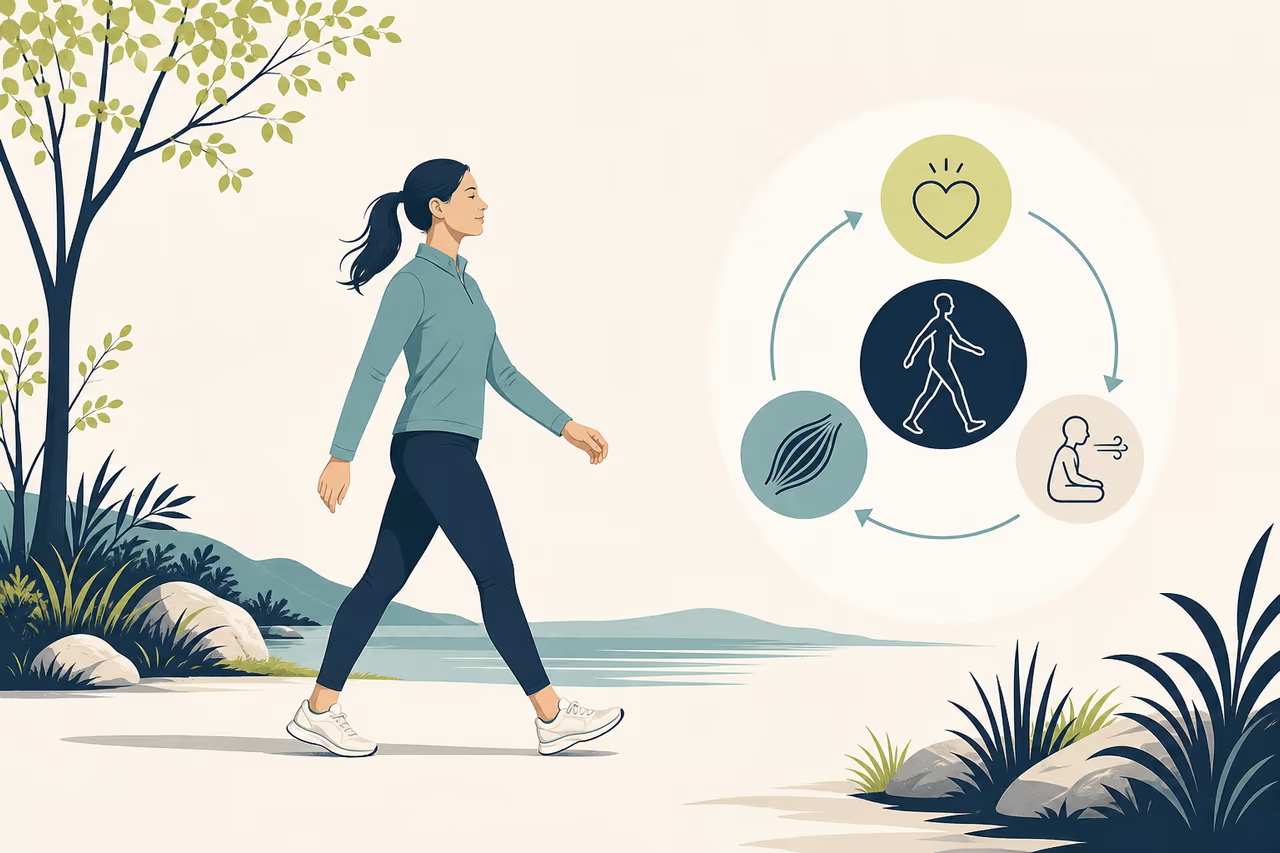
Low-intensity movement supports mental clarity and physical circulation. When performed correctly, it stimulates the cardiovascular system gently without heavily taxing the nervous system, making restorative yoga or slow walks useful tools.
While consistent schedules and daytime activity can support sleep, individual needs vary. There is no universal approach to recovery. For some, a 20-minute gentle yoga session unwinds the mind, while for others it feels like a stressful obligation. The effectiveness of active recovery depends on listening to your current physical state instead of following a rigid routine.
Active Recovery vs. Total Rest
A common failure mode is mistaking "active recovery" for a low-intensity workout. If you find yourself checking your heart rate monitor or worrying about "burning" enough calories, you are likely still in a training mindset.
Total rest, or passive recovery, remains equally essential. When you feel deeply exhausted, sore, or mentally drained, your body signals a need for stillness, and taking a complete rest day requires no guilt. Resisting the urge to move when genuinely tired is vital for long-term health.
When to Choose Which
| Approach | Best For | Indicators |
|---|---|---|
| Active Recovery | Mild stiffness, mental fog, post-training "heaviness." | You feel energized after movement, not more tired. |
| Total Rest | High stress, illness, injury, or deep fatigue. | You feel drained, irritable, or physically depleted. |
The Risks of Overdoing It
The primary risk of active recovery is "sneaky exercise",the tendency to turn a restorative session into a workout. If you use movement to "fix" poor sleep or high stress instead of addressing the root cause, you may end up overtaxing your system.
If you find that you are consistently sore or exhausted despite your "active" efforts, it is time to pivot to passive rest. Prioritize sleep and stillness, and consider reaching out to a professional if these symptoms persist. You can explore restorative guidance to find practitioners who specialize in low-intensity, supportive movement.
Is Today an Active Recovery Day?
Use this reflection to evaluate whether your body requires movement or stillness today:
- Rate your current energy level on a scale of 1-10. If you are below a 4, prioritize passive rest.
- Identify your motivation. Are you seeking movement for physical circulation, or are you trying to "earn" your rest? If it is the latter, choose stillness.
- Choose one low-impact activity. This could be a gentle walk, restorative yoga, or simple breathwork.
- Set a time limit. Keep it under 20 to 30 minutes to ensure the session remains restorative, not exhaustive.
Separating the need for movement from the demand for performance helps build a sustainable relationship with your body. Recovery is a tool to support daily life rather than a mandatory checklist item. For further guidance on integrating these practices, visit our resources on Sleep, Stress & Recovery.
Sources
- Relaxation Techniques: What You Need To Know (opens in a new tab), National Center for Complementary and Integrative Health.
- Heart-Healthy Living: Get Enough Good-Quality Sleep (opens in a new tab), National Heart, Lung, and Blood Institute.
Watch alongside this guide
Stress management
Use this concise Mayo Clinic explainer alongside the article's practical steps for stress, sleep, and recovery. Source: Mayo Clinic. This optional video is context, not evidence or personal instruction.
The YouTube player stays unloaded until you choose to watch. Loading it connects to YouTube and may allow that service to process usage data.