What Can I Use Instead of a Yoga Mat? Safe Household Alternatives
Find safe household yoga mat alternatives, prevent slips, and learn when to transition to a standard mat.
https://primetempr.com/blog/what-can-i-use-instead-of-a-yoga-mat-safe-household-alternat
You do not need a specialized yoga mat to begin practicing. Any household substitute, however, must prioritize traction and safety over cushioning. If you want to start moving at home today but lack dedicated equipment, common household items can bridge the gap if you understand their limitations.
Any amount of physical activity is better than none, all activity counts, and people should limit sedentary time. However, improvising your setup requires care so you avoid slips or joint strain.
Direct answer: what you can use instead of a yoga mat
When you do not have a yoga mat, you can use a firm area rug, a tightly woven blanket folded for stability, or a thick towel placed over a carpeted surface. The primary goal is to protect your knees and wrists from hard flooring while maintaining a stable foundation that will not slide out from under you.
Hardwood and tile floors present immediate traction challenges. A thin bath towel laid directly on a slick wooden floor will bunch up and slide during lunges, warrior poses, or transitions. If you practice on a hard floor, a non-slip rug or a rubber-backed mat substitute is far safer than a loose fabric towel.
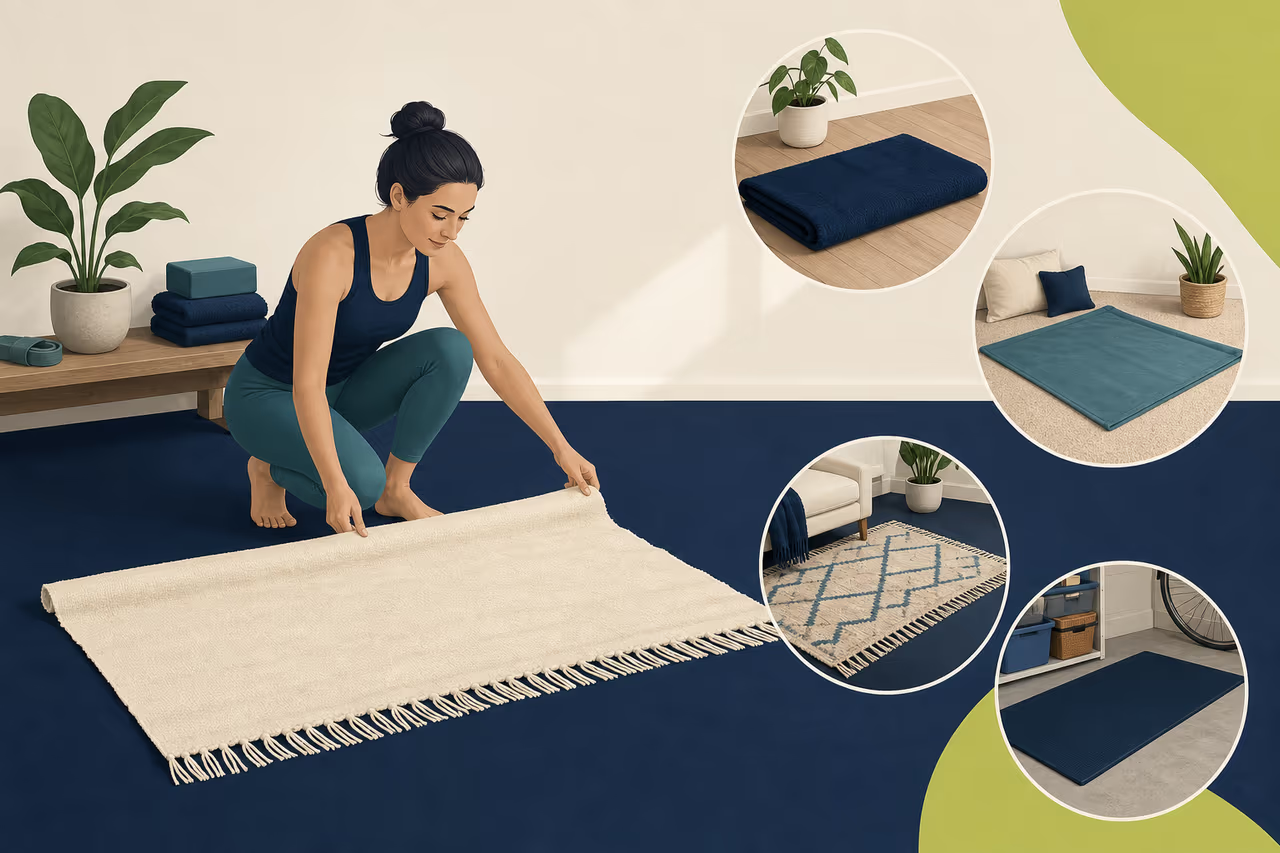
Evaluating household surfaces: carpets, rugs, and towels
Different household surfaces offer distinct trade-offs between comfort and stability.
| Household Surface | Pros | Cons / Trade-offs |
|---|---|---|
| Low-Pile Area Rug | Offers a firm base; reduces sliding compared to bare floors. | Can be abrasive on bare skin during seated postures. |
| Folded Blanket on Carpet | Provides good knee cushioning and friction. | Thick padding can destabilize standing and balancing poses. |
| Towel on Hardwood | Readily available in most homes. | High slip hazard; bunches up easily during movement. |
Household substitutes lack the specialized grip and density of a professional yoga mat. Thick rugs or plush carpets offer cozy cushioning, but they can reduce ankle stability during standing postures. If you notice your ankles wobbling because your surface is too soft, shift to a firmer section of the floor or a thinner blanket.
Key safety considerations for improvised practice
Yoga combines postures, breathing, and meditation; styles vary, benefits should be described with uncertainty, and injuries can occur. Practicing without standard equipment can introduce additional variables, particularly regarding grip and joint alignment.
Without a sticky mat surface, your hands and feet may slide downward in downward-facing dog or warrior variations. This loss of traction forces your muscles to compensate in unintended ways, which can lead to unnecessary strain. If your makeshift surface slips or bunches up, switch to a firm carpeted area barefoot or use a folded thick blanket on a non-slip rug. Never force a pose if your foundation feels insecure.
For a broader look at what gear is actually required for a home practice, read What Equipment Do Beginners Really Need for Yoga? (Hint: Almost None).
Home yoga surface safety checklist
Before beginning your session, review this quick safety checklist to ensure your improvised setup supports a stable practice:
- Check that your chosen surface or rug does not slide across hardwood or tile floors.
- Ensure bare feet have enough traction to hold standing postures securely.
- Keep cushioning minimal if you are practicing balancing poses to protect your ankles.
- Limit sedentary time and start with any amount of physical movement that feels safe for your body.
- Explore beginner-friendly trainer guidance once you are ready for structured support.
If you are just starting out at home, you can also consult How to Start Yoga at Home: A Beginner's Practical Guide for step-by-step advice on structuring your routine.
Moving from improvised setups to guided practice
Improvising with household items is a practical way to test whether a movement routine fits your lifestyle without upfront expenses. Eventually, as your practice evolves or if you find yourself regularly slipping, investing in an entry-level yoga mat provides reliable traction and consistent thickness.
When you are ready to move beyond self-guided exploration, Prime Tempr helps a reader move from general education to guided practice by comparing trainer profiles, local studio listings, and trainer-shared practice content in one place. You can easily Find a beginner-friendly trainer to help refine your alignment, explore different styles safely, and build a sustainable home or studio routine.
Sources
Watch alongside this guide
Yoga for complete beginners
Use this optional beginner session to see pacing, transitions, and rest choices in a complete home practice. Source: Yoga With Adriene. This optional video is context, not evidence or personal instruction.
The YouTube player stays unloaded until you choose to watch. Loading it connects to YouTube and may allow that service to process usage data.