Somatic Exercises: A Practical Guide
Learn how somatic exercises regulate your nervous system through internal sensation, their specific limitations, and safe integration methods.
https://primetempr.com/blog/what-are-somatic-exercises-a-practical-guide
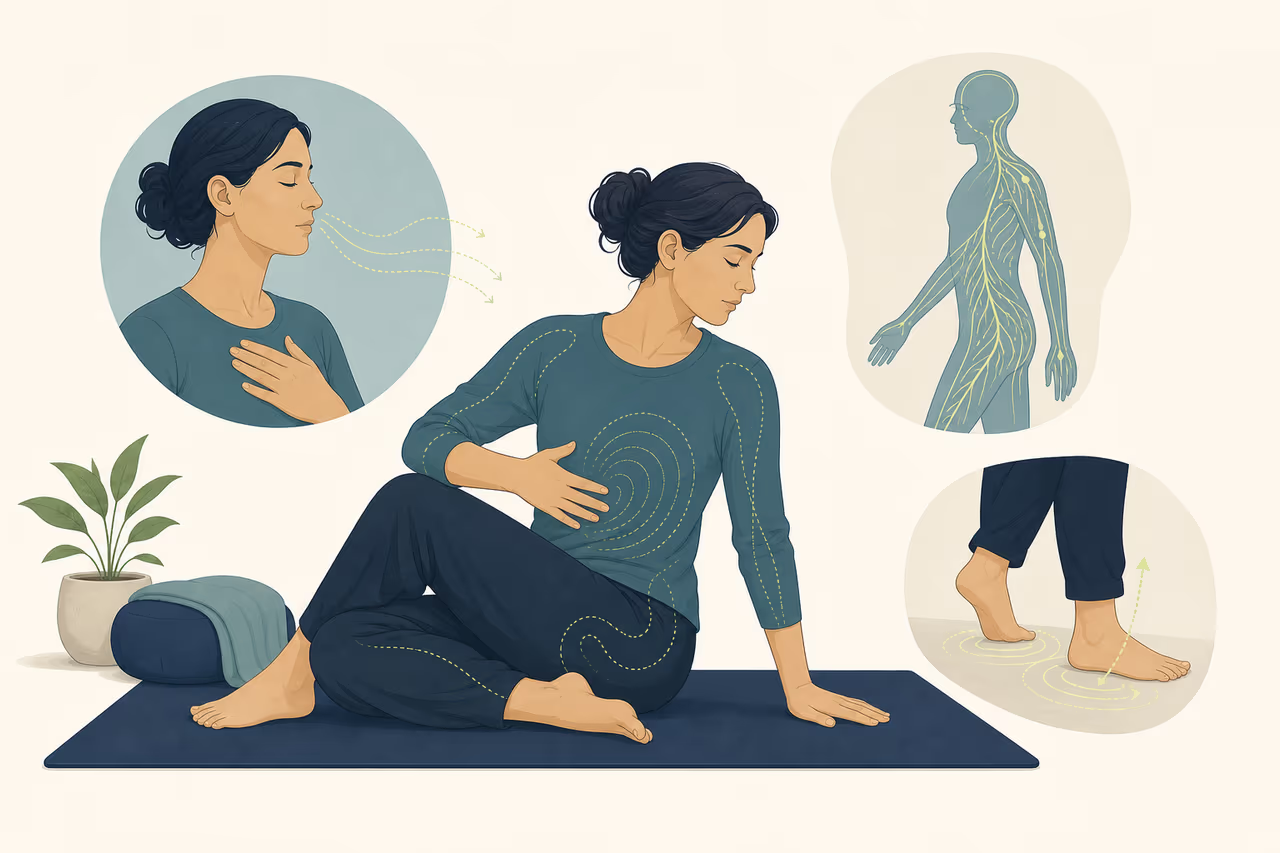
Somatic exercises are movement approaches that emphasize internal sensation and nervous system regulation rather than external performance or fitness metrics. Unlike traditional exercise, which often focuses on reaching a specific range of motion, burning calories, or building muscle, somatic movement prioritizes the quality of your attention. The primary objective is to observe how your body moves from the inside out, helping you identify areas of unconscious tension and encouraging the nervous system to shift from a state of "fight or flight" toward a state of rest and recovery.
This guide covers restorative yoga, meditation, and trainer-led support, while maintaining a clear separation between educational content and medical diagnosis.
How They Differ From Traditional Movement
Somatic exercises are often confused with standard stretching or yoga, but the intent driving the movement is fundamentally different.
Traditional fitness and stretching are typically goal-oriented. You might be aiming to touch your toes, increase your heart rate, or build muscle hypertrophy. The focus is usually on the "end result" or the external shape of the body. In contrast, somatic movement is process-oriented. The focus is on the "how" of the movement. You might perform a very slow, small-range motion,like a gentle spinal roll or a mindful reach,while paying close attention to the sensory feedback your muscles and joints provide.
Because somatic exercises are low-intensity, they do not typically meet the requirements for cardiovascular fitness or muscle building. They are not a replacement for a gym-based strength routine or a high-intensity interval session. Instead, they serve as a complement to these activities, helping you "reset" your physical state after a workout or a long day of sedentary work.
The Role of Somatic Practice in Recovery
Many people use somatic movement to manage stress and support sleep. Focusing on internal sensations signals the brain that it is safe to down-regulate.
Somatic movement aids relaxation, but maintain realistic expectations. These approaches complement, rather than replace, conventional medical care. While consistent schedules, a dark room, and daytime activity remain foundational for sleep, somatic movement supports a calmer pre-bed routine. It is not a standalone cure for sleep disorders or clinical anxiety.
Limitations and When to Seek Help
Somatic exercises are not a medical treatment. Beginners often mistakenly assume these movements can treat chronic pain or injury without professional medical oversight.
Consult a healthcare professional before starting a new practice if you manage a medical condition, persistent pain, or a history of injury. Somatic movement requires intense internal focus, which can be difficult for those accustomed to external cues. Stop the practice and seek guidance from a qualified trainer if you experience discomfort or notice no benefit.
Trade-offs to Consider
- Intensity: These exercises will not improve your cardiovascular health or muscle strength.
- Focus: The requirement for deep, sustained internal focus can feel mentally taxing or "boring" for those accustomed to high-energy environments.
- Professional Guidance: Because the practice is subjective, learning it from a qualified instructor can prevent the frustration of "doing it wrong" or missing the point of the movement entirely.
Is Somatic Movement Right for Your Current Needs?
Identify your specific goals before starting a new routine.
- Identify your goal: Are you seeking physical fitness (strength and cardio) or nervous system regulation (calm and awareness)? If you need the former, prioritize your gym or sport-specific training. If you need the latter, somatic movement may be a good fit.
- Assess your health: Check if you have any persistent pain that requires a doctor's assessment before starting new movement.
- Start small: Commit to a 5-minute trial of a gentle, guided movement to observe your body's response. Notice if your breathing changes or if your shoulders feel slightly less tense afterward.
- Seek support: If you find the practice helpful but want to ensure you are moving safely, explore restorative guidance with a trainer who can offer personalized support.
For more information on balancing recovery with your fitness goals, read our guide on What Is Active Recovery? A Practical Guide.
Sources
- Heart-Healthy Living: Get Enough Good-Quality Sleep (opens in a new tab), National Heart, Lung, and Blood Institute.
- Relaxation Techniques: What You Need To Know (opens in a new tab), National Center for Complementary and Integrative Health.
Watch alongside this guide
Stress management
Use this concise Mayo Clinic explainer alongside the article's practical steps for stress, sleep, and recovery. Source: Mayo Clinic. This optional video is context, not evidence or personal instruction.
The YouTube player stays unloaded until you choose to watch. Loading it connects to YouTube and may allow that service to process usage data.