What Actually Matters in a Yoga Trainer Profile
Assess yoga teachers by their professional scope and logistical fit rather than their social media follower counts.
https://primetempr.com/blog/what-actually-matters-in-a-yoga-trainer-profile
A trainer's professional competence is measured by their adherence to scope of practice, clarity of communication, and ability to provide modifications for your specific needs,not by their social media reach. When you are looking for a yoga teacher, it is easy to be swayed by high follower counts or polished aesthetic feeds. However, these metrics often mask the actual quality, safety, and logistical fit of a service. Prime Tempr brings trainer profiles, local listings and offerings into one discovery path so readers can compare practical fit before contacting or booking.
Why follower counts mislead
Social media metrics are designed to measure engagement and reach, not teaching ability. A high follower count may indicate a talent for content creation, but it tells you nothing about how a teacher handles a room full of students with varying abilities, injuries, or time constraints.
When you prioritize popularity, you risk overlooking teachers who are highly qualified but choose to spend their time refining their craft rather than managing an online presence. Styles and demands vary, so teacher qualifications, suitable modifications and honest class descriptions matter. A teacher who is excellent at personalized modifications may have less time to curate a viral social media presence. By focusing on follower counts, you might miss a local expert who is perfectly suited to your specific needs.
The markers of professional scope
A qualified yoga teacher operates within a defined scope of practice. This means they understand the limits of their training and competence. When reviewing a profile, look for transparency regarding their education and certification.
Yoga teachers should work within their education, training and competence and refer needs outside that scope. If a teacher claims to be able to cure chronic medical conditions or offers specific medical advice, this is a red flag. A professional profile will clearly state the teacher's background and the types of students they are best equipped to serve. They should prioritize student safety over performing advanced, aesthetic poses that may not be appropriate for all body types or experience levels.
Evaluating logistical fit
The best yoga teacher in the world is not useful if you cannot get to their class or if the language used does not match your comfort level. Logistical details are often the most overlooked part of a trainer profile, yet they are the most critical for consistency.
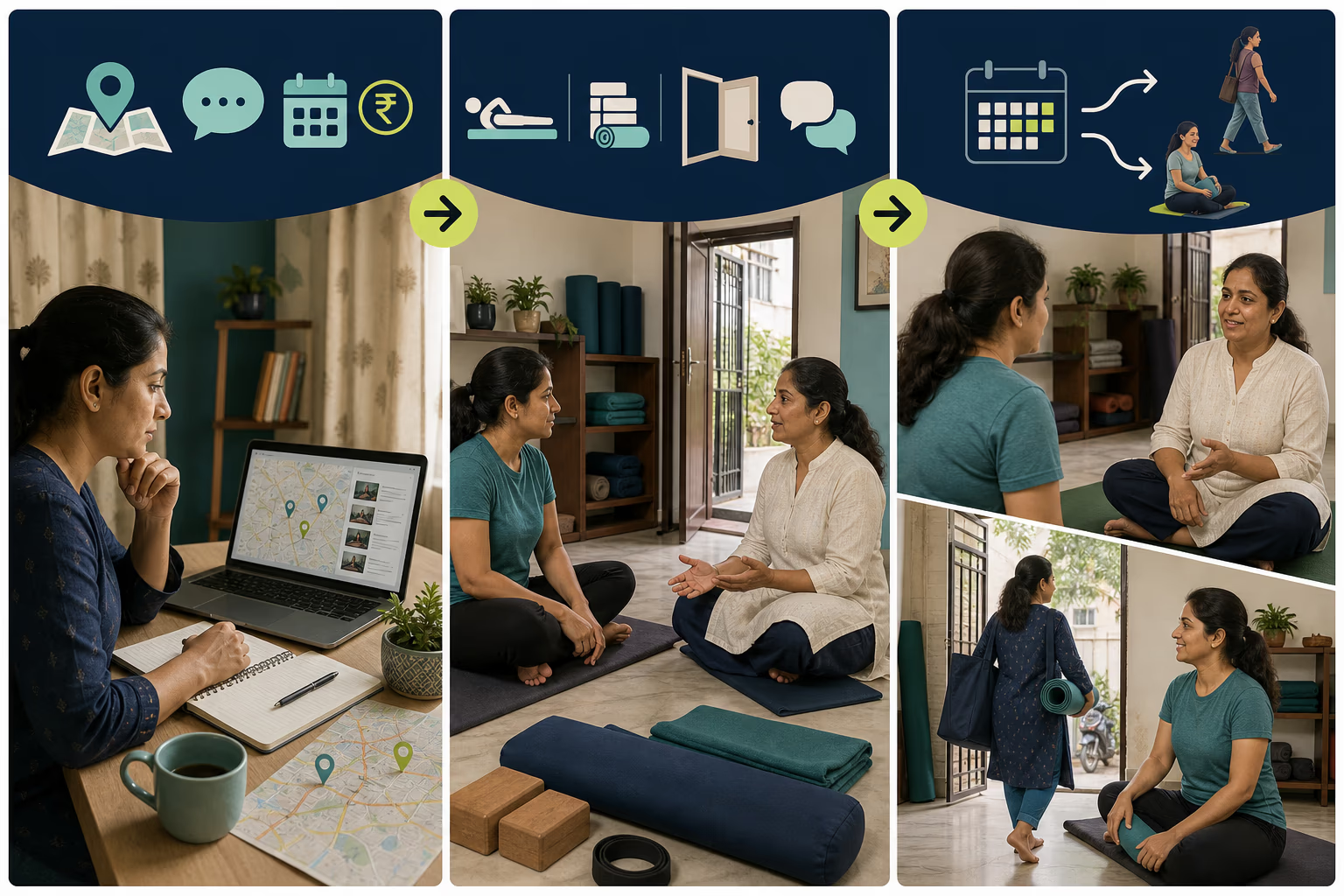
Complete, accurate and verified local business information helps people assess a nearby service before visiting. When evaluating a trainer or studio, look for:
- Location and commute: Does the class fit into your daily routine, or does the travel time create an unnecessary barrier?
- Class times: Are the sessions offered at times that work with your professional or family obligations?
- Communication: Is the teacher clear about their teaching style? Do they mention if they offer modifications for different body types or experience levels?
- Language: Is the instruction provided in a language you are comfortable with?
If a profile is vague, it is often a sign that the teacher has not clearly defined their target audience or their service model.
The trial phase
Profiles are only the first step. The only way to truly assess if a teacher is the right fit for your life is to experience their communication style firsthand. Look for teachers who offer a trial or introductory session. This allows you to observe how they interact with students and whether they provide the modifications you need.
During a trial class, pay attention to how the teacher addresses the group. Do they offer options for different levels? Do they check in with students? Do they create an environment where you feel supported rather than pressured to perform?
The trainer fit checklist
Use this checklist to evaluate any yoga trainer profile you encounter. This will help you move beyond surface-level metrics to find a teacher who aligns with your actual life constraints and wellness goals.
- Check for clear, professional credentials and scope of practice: Does the teacher list their training and acknowledge the limits of their role?
- Look for evidence of modifications: Does the profile or class description mention that they accommodate different body types or experience levels?
- Verify logistical fit: Are the location, class times, and language a realistic match for your weekly schedule?
- Identify trial opportunities: Does the teacher offer an introductory session or a way to observe their teaching style before committing to a long-term package?
- Assess specific goals: Does the profile address your primary needs, such as stress management or building foundational strength, rather than just promising aesthetic results?
If you are struggling to find this information, reach out directly. A professional teacher will be happy to answer one specific question about their experience with your primary goal or constraint. If they are dismissive or vague, that is a clear signal to keep looking.
Keep learning
Ready for the next step? Compare local teachers and studios.
Sources
Watch alongside this guide
Accessible yoga for every body
This Vancouver Coastal Health class makes choice, support and accessibility visible, giving readers concrete features to look for when comparing local or online teaching.
The YouTube player stays unloaded until you choose to watch. Loading it connects to YouTube and may allow that service to process usage data.