Walking, Stretching, or Rest: How to Choose After a Draining Day
Learn to evaluate your energy levels to choose between movement and rest without the pressure of perfection.
https://primetempr.com/blog/walking-stretching-or-rest-how-to-choose-after-a-draining-da
When you finish a long day of work, the pressure to maintain a fitness routine often clashes with the reality of your exhaustion. Recovery is not a binary choice between doing nothing and working out. Instead, it is a spectrum of movement and stillness that should be scaled to your actual energy levels rather than your ideal schedule. Choosing the right recovery path prevents the guilt of skipping a workout and the burnout of overexerting yourself when your body needs rest.
The recovery spectrum
Understanding the difference between active recovery and total rest is the first step toward a sustainable routine. Active recovery, such as a gentle walk or light stretching, can help shift your nervous system out of a high-stress state. However, if you are physically depleted or sleep-deprived, these activities can become an additional demand rather than a restorative tool.
Relaxation approaches include breathing, guided imagery, and progressive relaxation. While these methods are helpful for managing daily stress, they should not replace conventional care if you are experiencing chronic burnout or significant health concerns.
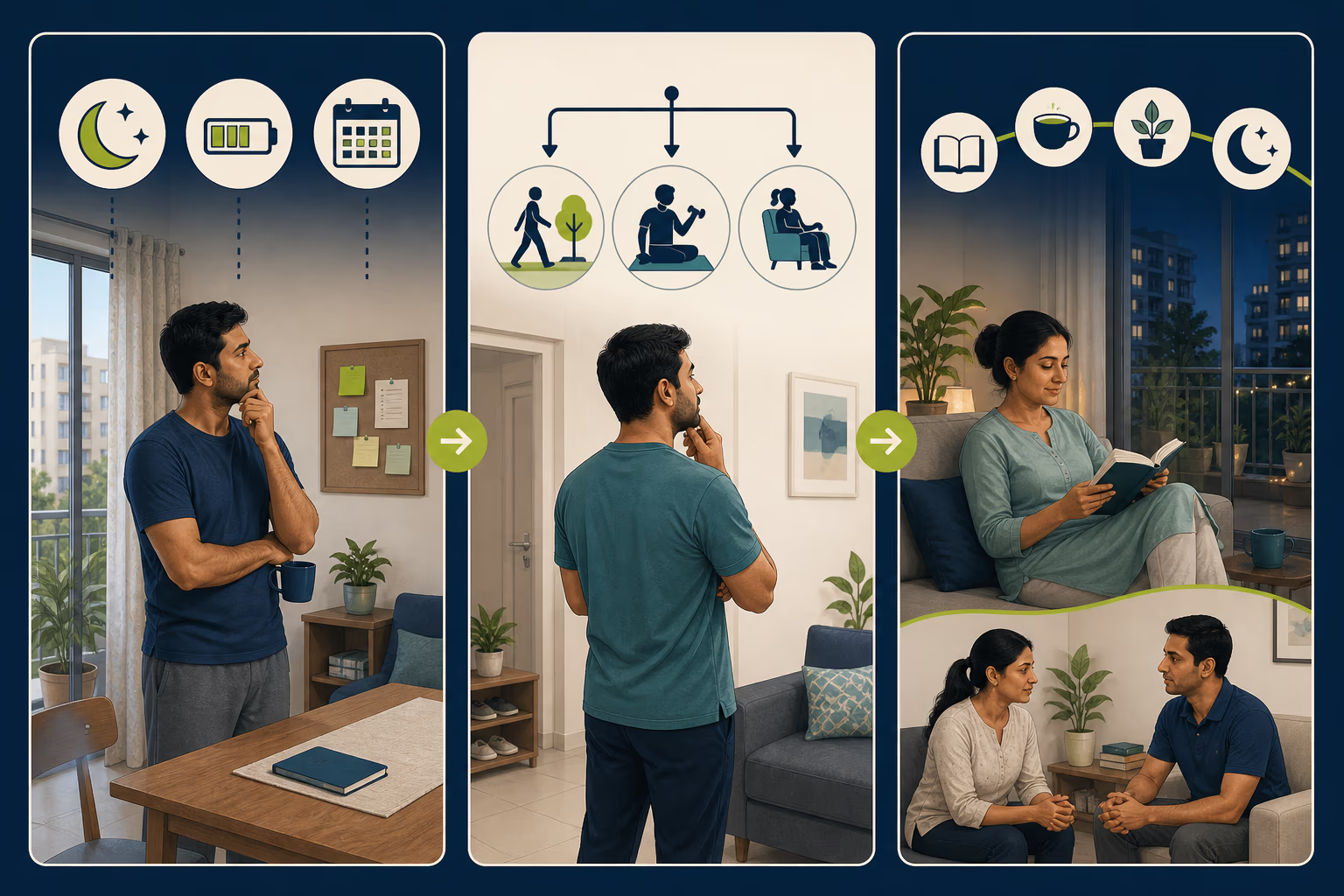
Assessing your energy
Before you decide on an activity, take a moment to observe your current state. Are you mentally fried but physically restless, or are you completely depleted?
If you find yourself stuck in an all-or-nothing mindset, remember that Prime Tempr helps readers compare trainers who respect recovery, offer scalable sessions, and provide continuity when rigid routines stop fitting the workweek. You do not need to choose the same recovery method every day. Your needs will change based on your commute, your workload, and the demands of your household.
When to choose walking
Walking is an accessible form of active recovery that requires minimal equipment. If you have spent your day in a sedentary role, a 10-minute walk can help you transition from the environment of your workplace to the comfort of your home. The rhythmic nature of walking can clear mental clutter without the intensity of a structured exercise session. If you live in a busy or multigenerational household, a short walk also provides a necessary window of solitude.
When to choose stretching
Stretching is particularly useful if you feel physically tight from desk work or long hours of sitting. Focus on gentle, supported movements rather than deep or aggressive poses. The goal is to release tension in the shoulders, neck, and hips, not to increase your flexibility through force. If a stretch feels like a chore or causes physical discomfort, stop immediately and pivot to a lower-intensity option.
When to choose total rest
There are days when the most productive thing you can do is prioritize sleep and stillness. Adult sleep needs vary, and consistent schedules, a quiet dark room, and calmer pre-bed routines can support sleep quality. If you have had poor sleep or are feeling physically exhausted, choosing rest is not a failure. It is a strategic decision to support your long-term consistency. For more on this, read Beyond the Streak: Adjusting Exercise After Poor Sleep.
The evening recovery decision matrix
Use this guide to determine your next step. If you are unsure, always start with the least demanding option.
| Feeling | Recommended Action |
|---|---|
| Mentally fried, physically restless | Try a 10-minute slow walk. |
| Physically tight from desk work | Try 5 minutes of gentle, supported stretching. |
| Completely depleted or poor sleep | Prioritize a quiet, dark room and early rest. |
| Uncertain or overwhelmed | Start with 5 minutes of breathing or guided imagery. |
How to use this guide safely
- Time range: Start with 5 to 10 minutes. Do not feel obligated to extend this time unless you feel genuinely energized.
- Scaling: If you feel tired during a walk, slow your pace or head home early. If a stretch feels too intense, use props like cushions or a wall for support.
- Stop rule: If you feel physical pain, dizziness, or increased anxiety, stop immediately.
- Beyond self-care: If you find that you are consistently unable to recover despite trying different methods, or if your exhaustion feels unmanageable, consult a healthcare professional. Static guidance cannot account for individual medical needs.
Finding support for your routine
If you struggle to build a routine that fits your life, it may be time to seek professional guidance. Whether you need help with The 10-Minute Work-to-Home Transition or a more comprehensive approach to your weekly movement, finding a trainer who understands your specific constraints is key to avoiding the cycle of overexertion and guilt.
Sources
Watch alongside this guide
Stress management
This short Mayo Clinic explainer gives the recovery discussion a practical health context. It does not promise sleep or replace care for persistent symptoms.
The YouTube player stays unloaded until you choose to watch. Loading it connects to YouTube and may allow that service to process usage data.