Walking Meditation: A Practical Approach to Mindful Movement
Use walking meditation to anchor your attention through rhythm, integrate movement into your routine, and access professional guidance.
https://primetempr.com/blog/walking-meditation-a-simple-approach-to-mindful-movement
Walking meditation is not about achieving a specific mental state or clearing your mind. It is the practice of using the rhythm of your movement to anchor your attention. If you feel pressured to sit still or reach a zen state, walking meditation provides a low-barrier entry to a balanced movement practice.
What is Walking Meditation?
The difference between a standard walk and a walking meditation is your intention. A standard walk focuses on reaching a destination, hitting a step count, or improving cardiovascular health. A walking meditation focuses on awareness.
When you walk mindfully, you are not trying to get anywhere. You are observing the physical experience of movement. This practice bridges physical activity and mindfulness, allowing you to cultivate presence without specialized equipment or a meditation cushion.
The Role of Movement in Your Wellbeing
View walking meditation as a tool for mindfulness rather than a substitute for high-intensity cardiovascular training or strength-building exercises. It remains a valid and valuable form of movement.
According to global health guidelines, any amount of physical activity is better than none, and all activity counts toward your overall health. Adults can work toward 150 to 300 weekly minutes of moderate aerobic activity, ideally complemented by muscle-strengthening exercises on at least two days per week. Walking meditation can be integrated into these goals, helping you stay consistent with movement while simultaneously supporting your mental wellbeing.
How to Practice Mindful Walking
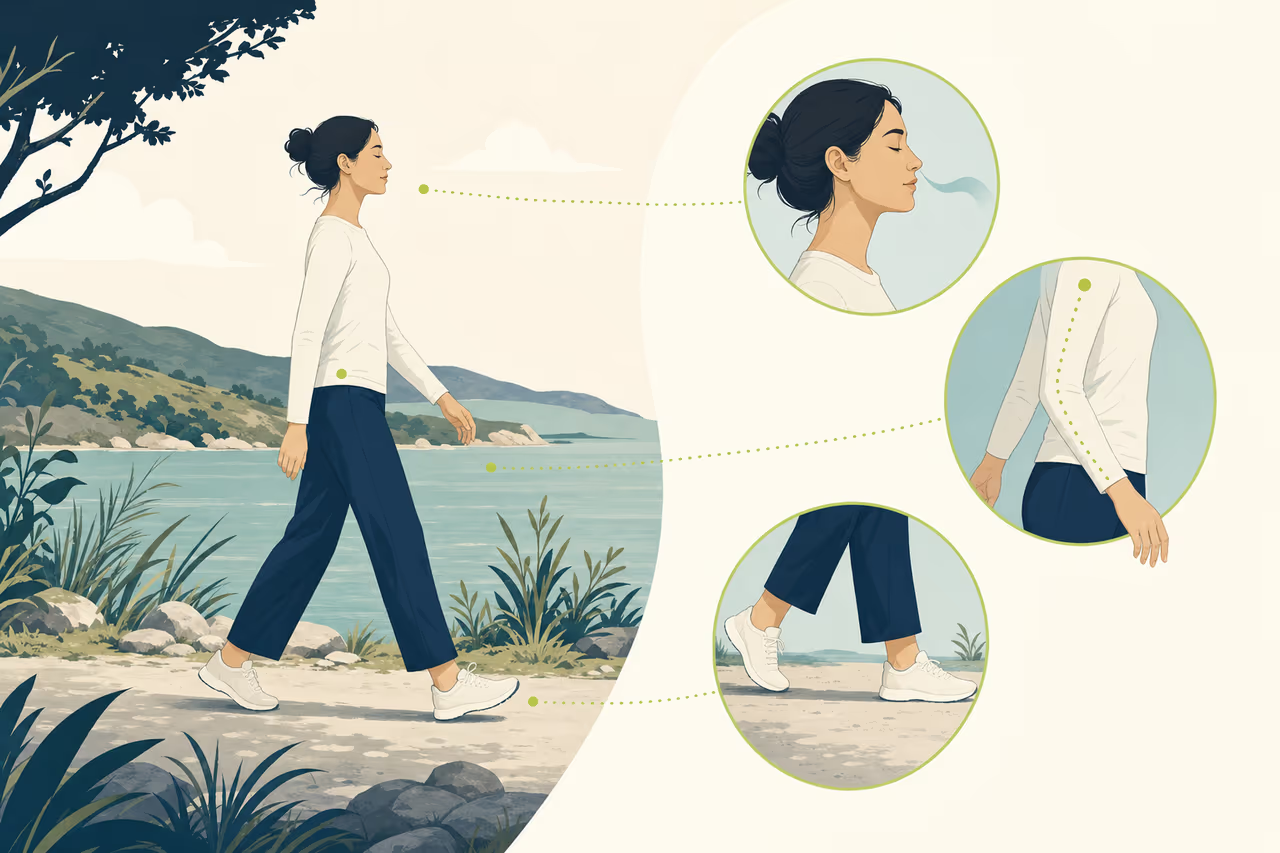
If you are new to this practice, keep it simple. You do not need a specific pace or style. The most common mistake is believing you must clear your mind. When your thoughts wander, acknowledge the distraction and return your focus to the sensation of your feet hitting the ground.
If the practice feels forced or you become self-conscious, shorten the duration. Five minutes of intentional movement is more effective than a longer session that feels like a chore.
Your 10-Minute Mindful Walking Starter
Use this simple structure to begin your practice:
- Find a quiet path: Choose a location where you can walk without interruption, such as a park, a quiet hallway, or your backyard.
- Set a timer: Aim for 10 minutes to remove the pressure of tracking time.
- Focus on sensation: Direct your attention to the feeling of your feet lifting and landing. Notice the shift in weight and the contact with the ground.
- Return to center: When your mind wanders to your to-do list or external distractions, gently return your focus to your breath or the rhythm of your steps.
- Observe the environment: End the session by noting one specific thing you observed in your environment, such as the sound of the wind or the texture of the path.
Common Trade-offs and Challenges
Walking meditation is accessible, but it has limitations. As a self-guided practice, it lacks the accountability and feedback a professional provides. You may find it difficult to troubleshoot your technique or stay motivated during periods of low energy. It is easy to fall into the trap of "fitness-only" thinking. If you find yourself obsessing over your pace or step count, you have moved out of the realm of meditation and into the realm of exercise. While both are beneficial, they serve different purposes. If you find that you are consistently struggling to maintain a mindful focus, or if you feel that your movement practice has become stagnant, it may be time to seek external support.
When to Seek Professional Guidance
Self-guided practice is a starting point, but it is not the only way to move. A trainer or yoga teacher can help you integrate walking meditation into a comprehensive, balanced, and repeatable programme.
Prime Tempr connects readers with trainers and yoga businesses that provide balanced, repeatable programmes and human accountability. Working with a professional allows you to:
- Personalize your practice: A teacher can help you adjust your movement to suit your specific mobility needs or recovery goals.
- Build consistency: Human accountability is one of the most effective ways to maintain a long-term movement habit.
- Deepen your understanding: Trainers can bridge the gap between simple movement and more complex yoga or mindfulness techniques.
If you are ready to move beyond the basics, you can find a yoga teacher or explore resources to build a balanced practice that aligns with your personal wellbeing goals. Remember, the goal of any movement practice is not perfection, but the ability to return to the practice consistently over time.
Sources
- Physical activity (opens in a new tab), World Health Organization.
- Top 10 Things to Know About the Physical Activity Guidelines (opens in a new tab), Office of Disease Prevention and Health Promotion.
Watch alongside this guide
Just walk
This short walking overview reinforces the guide's focus on accessible, repeatable movement rather than elaborate equipment. Source: American Heart Association. This optional video is context, not evidence or personal instruction.
The YouTube player stays unloaded until you choose to watch. Loading it connects to YouTube and may allow that service to process usage data.