Bhramari: Practice, Limitations, and Getting Started
Learn the mechanics of Bhramari, or Bee Breath, including its practical limitations and essential safety considerations for practice.
https://primetempr.com/blog/understanding-bhramari-practice-limits-and-how-to-start
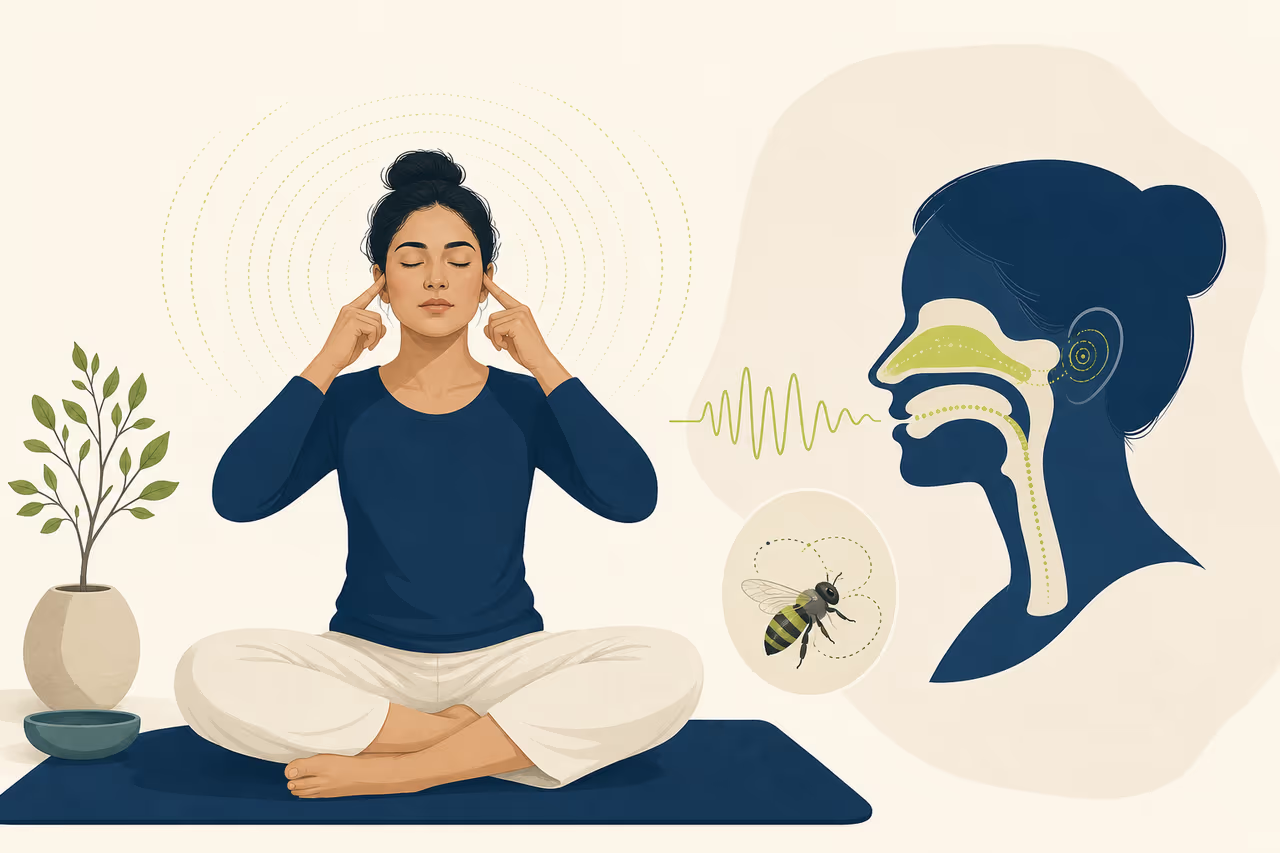
Bhramari, often called "Bee Breath," is a yoga breathing technique defined by a low-pitched humming sound produced during exhalation. By gently closing the eyes and ears, the practitioner creates a contained sensory environment intended to encourage inward focus. While frequently cited in wellness contexts as a tool for relaxation, it is essential to view Bhramari as a sensory-focused exercise rather than a medical intervention.
Meditation practices, including breathing techniques, vary in their effects, and evidence regarding outcomes is mixed. Because individual responses to internal sound and sensory withdrawal differ, approach this practice as a tool for personal exploration rather than a guaranteed method for achieving a specific mental or physical state.
How to Practice Bhramari
To practice the technique, follow these steps in a quiet, comfortable seated position.
- Find a comfortable seat: Sit upright with your spine long but not rigid. You may use a chair or a cushion on the floor.
- Position your hands: Gently place your index fingers on the cartilage between your cheek and ear (the tragus). You do not need to press hard; the goal is simply to soften external sound.
- Close your eyes: Keep your eyes closed throughout the practice to minimize visual input.
- Inhale: Take a slow, steady breath in through your nose.
- Exhale with sound: Keep your mouth closed and produce a steady, low-pitched humming sound from the back of your throat. Focus on the resonance of the sound within your head.
- Repeat: Continue for a few cycles, observing the physical sensation of the sound. When you are ready to finish, release your hands and return to natural, unforced breathing.
Practical Limits and Safety
Claims that Bhramari resolves anxiety, sleep issues, or stress are common. However, relaxation approaches, including breathing techniques, should not be used as a replacement for conventional medical care. If you experience persistent distress, consult a healthcare professional.
The practice involves these inherent trade-offs:
- Sensory withdrawal: Closing off your eyes and ears can be grounding for some, but it may feel isolating or triggering for others. If you have a history of negative experiences with meditation or sensory deprivation, proceed with extreme caution.
- Physical tension: Practitioners sometimes inadvertently create tension in the jaw, neck, or throat while attempting to produce the humming sound. If you notice your jaw clenching or your throat feeling strained, stop the practice immediately.
- The "quick fix" trap: Expecting Bhramari to immediately resolve complex emotional or physical states often leads to frustration. It is a simple tool for self-regulation, not a panacea.
When to Stop or Avoid the Practice
Your body and mind are the best indicators of whether a practice is appropriate. Stop Bhramari immediately if you experience:
- Dizziness or lightheadedness.
- Increased anxiety or a sense of "racing" thoughts.
- Physical discomfort in the ears, jaw, or throat.
- A feeling of being "spaced out" or disconnected from your surroundings.
If the practice leaves you feeling worse than when you started, return to natural breathing. There is no benefit to "pushing through" discomfort in breathwork.
Is Bhramari Right for You Today?
Assess your current state before you begin:
- Check in: Am I feeling grounded enough to focus on internal sound? If you are already feeling overwhelmed, adding a sensory-withdrawal practice might exacerbate that feeling.
- Set a timer: Start with just 2 to 3 minutes to observe your reaction. There is no need to practice for long durations to understand the technique.
- Observe: Did the humming feel soothing, or did it create tension in my jaw or throat?
- Stop: If I feel lightheaded or anxious, I will return to normal breathing immediately.
- Connect: If I want to explore this further, I will look for a teacher who can provide feedback on my technique.
Why Personalized Guidance Matters
Prime Tempr connects readers with trainers who explain breathing and meditation in context. This article is a starting point, not a substitute for responsive guidance.
While articles can explain the "how-to," they cannot see your posture, hear the quality of your breath, or adjust to your specific physical or emotional needs. A qualified yoga or meditation teacher can help you calibrate the practice to your unique physiology, ensuring that you are using the technique safely and effectively.
If you are interested in exploring breathwork, consider reaching out to a professional who can provide personalized feedback. You can find guided breath and meditation support through our directory to ensure your practice remains a helpful, rather than harmful, part of your routine. For more foundational information, explore our Breathwork & Meditation resources.
Sources
- Meditation and Mindfulness: Effectiveness and Safety (opens in a new tab), National Center for Complementary and Integrative Health.
- Relaxation Techniques: What You Need To Know (opens in a new tab), National Center for Complementary and Integrative Health.
Watch alongside this guide
Breathing meditation
This short guided meditation lets you follow the basic attention and breathing ideas described in the article. Source: UCLA Health. This optional video is context, not evidence or personal instruction.
The YouTube player stays unloaded until you choose to watch. Loading it connects to YouTube and may allow that service to process usage data.