Tai Chi vs Yoga: Structure, Differences, and Practical Trade-Offs
Compare tai chi and yoga across pacing, posture styles, and safety considerations to choose the right practice for your specific goals.
https://primetempr.com/blog/tai-chi-vs-yoga-structure-differences-and-practical-trade-of
Tai chi and yoga combine movement, breathing, and focus, but they differ in lineage, posture holds versus continuous flow, and how styles vary across teachers. Deciding between them depends on whether you prefer floor-based mat postures or continuous standing weight shifts, as well as your current energy, mobility, and joint comfort.
To help navigate these options without rigid style assumptions or guaranteed transformations, this guide breaks down structural differences, pacing, safety considerations, and a decision checklist. Explore Yoga Styles and Goals for deeper style breakdowns, or read Hatha, Vinyasa or Yin? Choose the class that fits today to select a format matching your daily energy.
Core Structural Differences
Yoga combines postures, breathing and meditation; styles vary, benefits should be described with uncertainty, and injuries can occur. Rooted in ancient traditions, yoga integrates physical shapes, intentional breath control, and meditative focus into a single session. Because styles vary widely, from gentle restorative sessions to dynamic athletic flows, class structure depends heavily on the teacher and tradition.
Tai chi originates from Chinese martial arts and is practiced as a series of slow, continuous, meditative physical movements and weight shifts. While both practices emphasize breath and mindfulness, tai chi is predominantly performed standing up, focusing on flowing transitions, balance, and internal body awareness rather than holding static shapes on a mat.
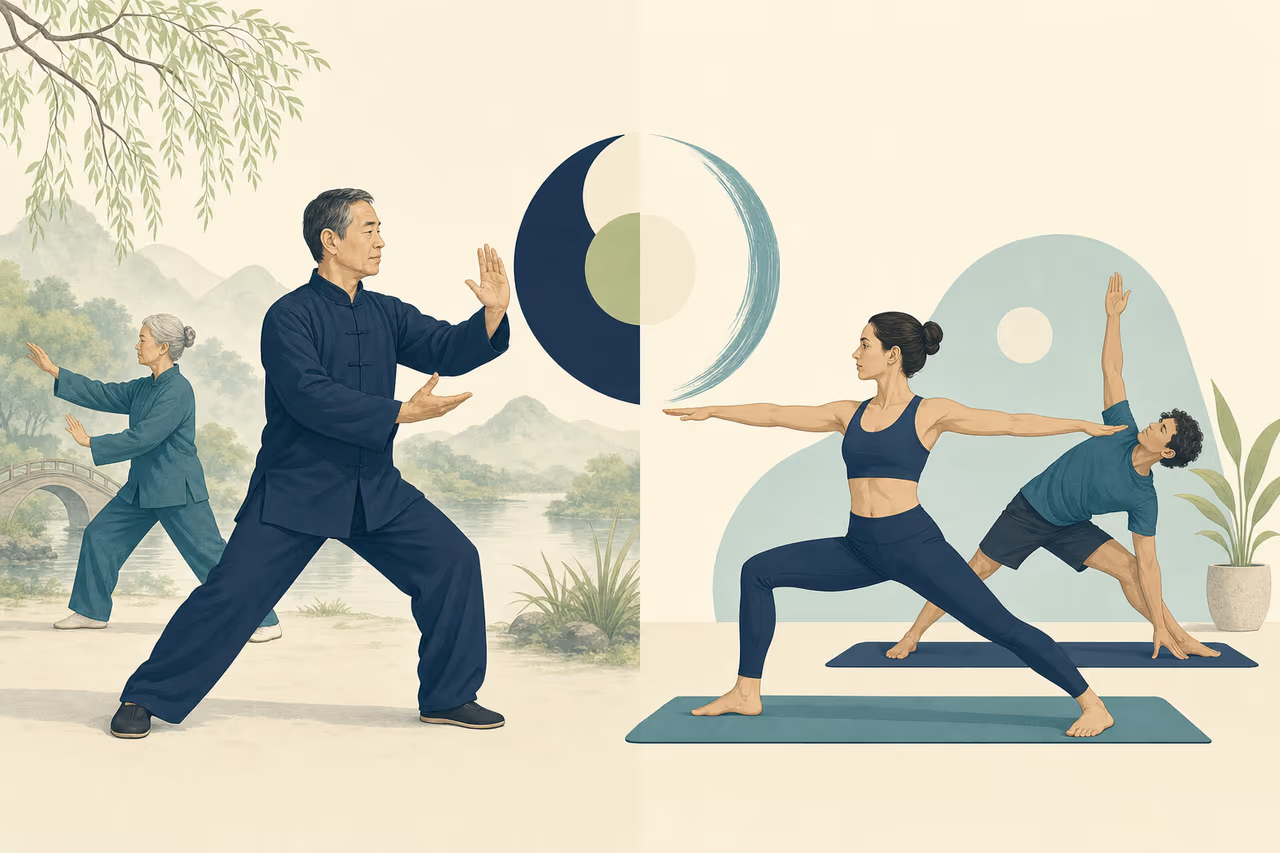
Movement Pacing and Posture Styles
The day-to-day experience of attending a class highlights distinct pacing differences between the two disciplines.
| Feature | Yoga | Tai Chi |
|---|---|---|
| Primary Posture | Floor, seated, and standing mat postures; holds and transitions | Continuous upright movements and standing weight shifts |
| Pacing | Varies from holding static poses for minutes to rapid flow transitions | Slow, continuous, rhythmic movement sequences |
| Equipment | Typically requires a mat, sometimes blocks or straps | Generally performed standing without equipment |
| Style Variety | Wide spectrum (e.g., Hatha, Yin, Vinyasa, Ashtanga) | Forms and sequences based on traditional family lineages (e.g., Yang, Chen) |
When comparing these pacing styles, consider how your body responds to holding static shapes versus continuous motion. A gentle yoga class might emphasize stillness and deep stretching, whereas tai chi emphasizes fluid, continuous transition from one weight-bearing posture to the next.
Physical Activity and Safety Considerations
Any amount of physical activity is better than none, all activity counts, and people should limit sedentary time. Movement practices support overall wellbeing, but Be sure to approach them with realistic expectations.
Yoga styles vary in intensity, and injuries can occur if postures are forced or practiced without adequate guidance. Similarly, tai chi requires continuous lower body engagement and balance coordination, which may require modifications for individuals with specific joint sensitivities or balance concerns. Neither practice guarantees specific medical outcomes or fitness transformations. Instead, personal preference, physical accessibility, and consistency matter most for daily health.
When a specific style or class format does not fit current energy or mobility, consult a qualified local instructor or explore alternative class offerings.
Tai Chi vs Yoga: Decision Checklist
Use this practical decision checklist to clarify preferences and choose a sustainable next step.
- Clarify whether you prefer floor and mat postures (yoga) or continuous standing weight shifts (tai chi).
- Consider your current mobility, joint comfort, and energy levels for today.
- Check local studio or trainer profiles to find a qualified guide who matches your style preference.
- Commit to a small, sustainable initial session rather than an intense long-term streak.
Rather than relying on generic recommendations, Prime Tempr lets readers compare trainers and yoga businesses by profile, location, and offering so style research leads to a better-fit real class. Explore trainers and studios to connect with local professionals who align with your movement goals.
Sources
- Yoga: Effectiveness and Safety, National Center for Complementary and Integrative Health (NCCIH), https://www.nccih.nih.gov/health/yoga-effectiveness-and-safety (opens in a new tab)
- Physical activity, World Health Organization (WHO), https://www.who.int/news-room/fact-sheets/detail/physical-activity (opens in a new tab)
Watch alongside this guide
A beginner Yin yoga practice
This slower practice gives you a concrete style example to compare with the goals and class formats in the guide. Source: Yoga with Kassandra. This optional video is context, not evidence or personal instruction.
The YouTube player stays unloaded until you choose to watch. Loading it connects to YouTube and may allow that service to process usage data.