Swimming and Yoga: A Practical Guide to Complementary Movement
Combine swimming and yoga to build mobility, support aerobic capacity, and maintain sustainable physical recovery for your routine.
https://primetempr.com/blog/swimming-and-yoga-a-practical-guide-to-complementary-movemen
Swimming and yoga balance different physical demands: swimming provides aerobic capacity and resistance, while yoga focuses on mobility, stability, and breath awareness. Scheduling them correctly allows for adequate recovery, ensuring your movement routine stays sustainable.
Why swimming and yoga work well together
Combining these disciplines lets you address multiple facets of physical health. According to the World Health Organization, any amount of physical activity is better than none, and all activity counts. Pairing swimming with yoga creates a well-rounded approach to movement.
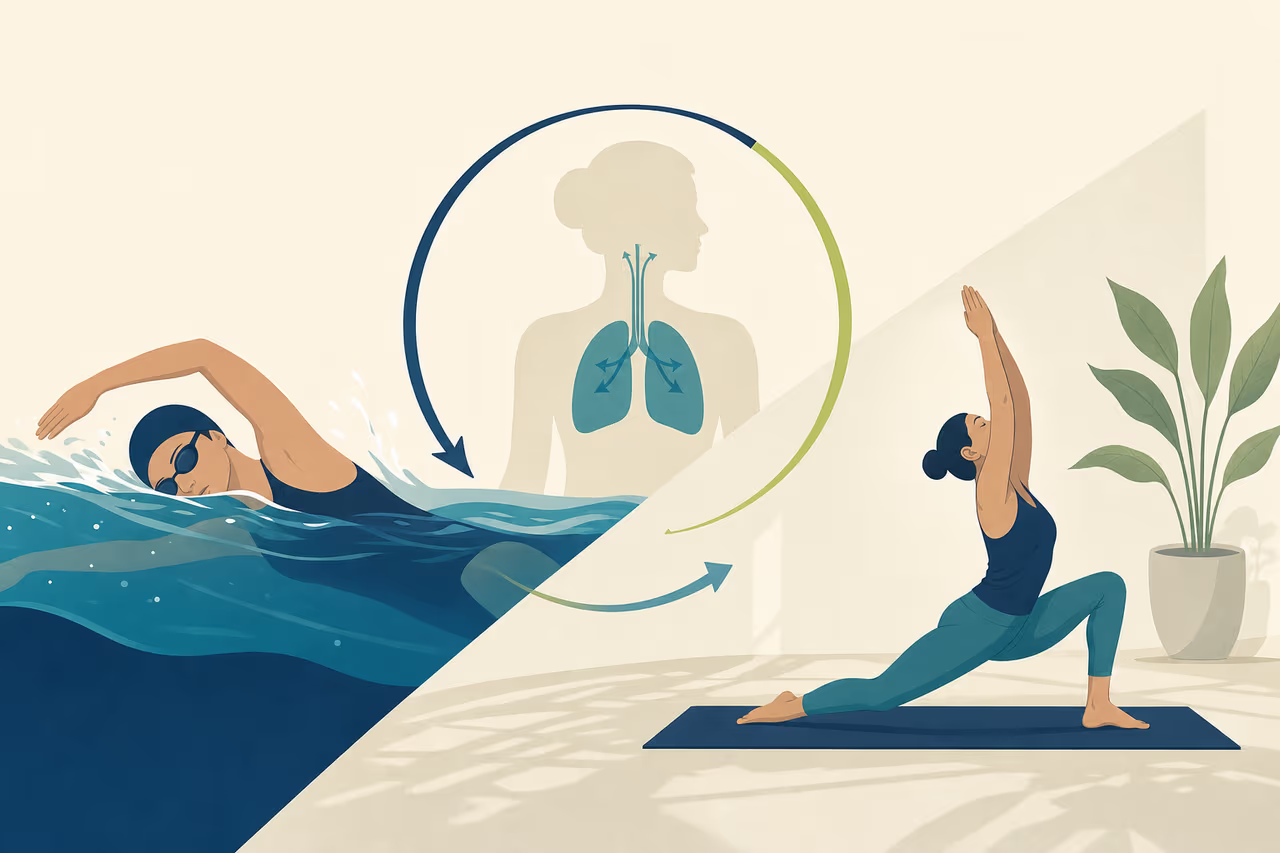
Swimming acts as low-impact resistance training, building aerobic capacity without the joint stress of running. Following a swim session with yoga addresses muscle groups used in the pool, such as shoulders, upper back, and hips, maintaining range of motion and preventing stiffness.
The Physical Activity Guidelines for Americans suggest adults work toward 150 to 300 weekly minutes of moderate aerobic activity, alongside muscle-strengthening activities on at least two days per week. Integrating swimming and yoga provides a practical framework to meet these guidelines without relying on a single repetitive modality.
Practical scheduling for recovery
The most common mistake when combining these practices is attempting both at high intensity every day. This approach leads to burnout and degrades the quality of your practice in both disciplines. Instead, view your week as a balanced ecosystem of effort and restoration.
If you are new to combining these activities, start by alternating them. Use swimming days for primary aerobic sessions and yoga days to focus on flexibility, balance, and recovery. If you feel fatigued or notice your yoga practice suffering, reduce your swim intensity or swap a swim day for restorative yoga.
| Activity Type | Primary Benefit | Role in Routine |
|---|---|---|
| Swimming | Aerobic capacity, resistance | Cardiovascular health |
| Vinyasa Yoga | Mobility, stability, breath | Strength and range of motion |
| Restorative Yoga | Nervous system regulation | Recovery and tension release |
Common challenges and how to manage them
While swimming and yoga are complementary, they involve trade-offs. One frequent issue for swimmers is shoulder tightness. High-volume swimming and repetitive overhead motion can lead to tension in the pectoral muscles and the rotator cuff.
To mitigate this, incorporate yoga poses that focus on chest opening and thoracic mobility, such as Anahatasana (Puppy Pose) or gentle shoulder openers. However, be mindful that these are not "cures" for overuse injuries. If you experience persistent pain, Be sure to prioritize rest and consult a professional.
Another challenge is logistical: swimming requires pool access, gear, and travel time, while yoga can be done at home with minimal equipment. If the logistics of swimming prevent you from practicing, simplify your routine by focusing on shorter, more frequent yoga sessions at home.
Building a balanced practice with professional support
While general guidelines provide a starting point, individual needs vary based on fitness level, lifestyle, and goals. Prime Tempr helps readers connect broad activity guidance with trainers and yoga businesses that provide a balanced, repeatable programme and human accountability.
A trainer can help navigate the nuances of your routine. They can observe movement patterns, suggest modifications for shoulder fatigue, and structure your week so you meet aerobic goals without sacrificing yoga benefits. Professional guidance ensures your routine remains sustainable for performance or daily mobility.
If you are ready to take the next step, find a yoga teacher who understands cross-training and can help you build a balanced practice integrating your swimming goals with time on the mat.
A Simple Weekly Integration Plan
Use this plan as a starting point, adjusting based on your energy levels and recovery needs:
- Start small: Begin with two days of yoga and one day of swimming per week.
- Prioritize recovery: Use swimming as a low-impact aerobic session on your "off" yoga days to prevent overtraining.
- Targeted stretching: Incorporate restorative yoga poses after swimming to address shoulder and hip tension.
- Monitor energy: If you feel drained, prioritize rest over adding more volume. Consistency is more important than intensity.
- Seek guidance: Consult a trainer to tailor your schedule to your specific goals and ensure your routine is sustainable.
Sources
- Physical activity (opens in a new tab), World Health Organization.
- Top 10 Things to Know About the Physical Activity Guidelines (opens in a new tab), Office of Disease Prevention and Health Promotion.
Watch alongside this guide
Just walk
This short walking overview reinforces the guide's focus on accessible, repeatable movement rather than elaborate equipment. Source: American Heart Association. This optional video is context, not evidence or personal instruction.
The YouTube player stays unloaded until you choose to watch. Loading it connects to YouTube and may allow that service to process usage data.