Practical Prop Storage for Small and Shared Homes
Keep your exercise props handy in a tight or shared home without causing clutter, mess, or household friction.
https://primetempr.com/blog/practical-prop-storage-for-small-and-shared-homes
Storing basic exercise props in a compact home does not require a dedicated gym room. It requires treating props as everyday furniture or vertical layers that pack flat in seconds.
When you want to keep a yoga mat, blocks, or resistance bands handy for daily movement, the gear often ends up cluttering a small or shared living area. This invites friction with family members or housemates who value clear floors. Buying bulky plastic fitness racks usually backfires because the organizer itself takes up more floor space than the props. Hiding your equipment too deep in a bottom wardrobe drawer creates invisible friction, ensuring you never pull it out when you have ten free minutes.
Any amount of physical activity is better than none, all activity counts, and muscle strengthening benefits everyone. To hit those movement goals without turning your living room into an obstacle course, you need storage strategies that match your actual square footage. Prime Tempr helps home exercisers find trainers who offer online sessions, prop-light programmes and realistic modifications for the space they actually have.
Minimum, normal, and extended storage setups
Your storage strategy should scale directly with the volume of gear you actually use.
- Minimum setup: For a single yoga mat and one pair of light blocks, slide the gear flat underneath a sofa, couch, or bed frame. This keeps the items out of sight and leaves zero footprint in shared pathways.
- Normal setup: If you add resistance bands and a thicker cushioning pad, slip them into a slim fabric storage bin that slides vertically into the dead gap beside a bookshelf or TV unit.
- Extended setup: For households juggling multiple sets of gear across family members, use a wall-mounted hook system behind a bedroom door or inside a wardrobe side panel to hang loops and straps off the floor entirely.
If your chosen storage spot feels too buried or inconvenient, move your daily prop to a single visible trigger point, such as placing your mat right beneath the couch where you already stand. Keeping props instantly accessible usually means they remain somewhat visible in your living space. Pacing out gear into multi-use household items saves space, but it requires a few extra seconds of setup time before a session.
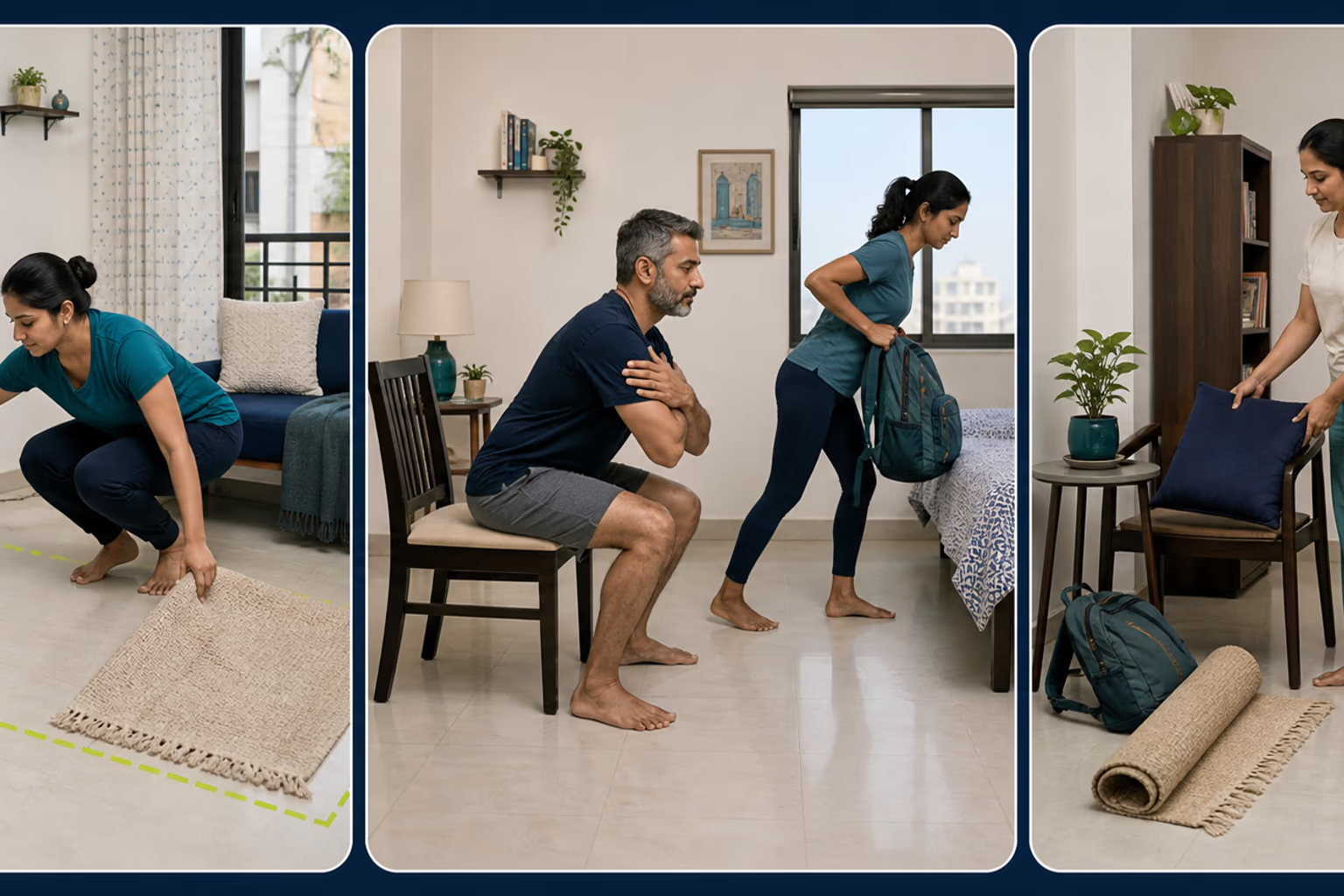
Vertical and hidden zones that go unused
Where can you put exercise props in a room with zero floor space? Look upward and outward. Most small homes feature underutilized vertical clearances. The narrow gap between a wardrobe and the wall, the back of a standard interior door, and the floor clearance beneath standard bed frames are all prime real estate for fitness gear.
Roll your yoga mat tightly and secure it with a simple elastic band or slip it into a lightweight fabric sleeve to prevent unrolling and dust accumulation. Avoid heavy plastic storage towers that dominate a room. Instead, let slim items hug existing furniture profiles. If you need inspiration for arranging movement in tight quarters, you can explore A Ten-Minute Workout Beside the Bed: Space-Saving Movement to see how minimal footprints support consistent habits.
Adults can work toward 150 to 300 weekly minutes of moderate aerobic activity and muscle strengthening on at least two days. Meeting these guidelines in a shared apartment relies entirely on reducing the friction of getting started. When your props are stored flat or hung vertically, you can transition from sitting on the couch to beginning a movement session in under fifteen seconds.
The compact home prop storage audit
Use this checklist to streamline your equipment and reclaim your living space without buying expensive furniture.
- Audit your current props and keep only the two you use at least three times a week.
- Check vertical surfaces, such as behind doors, the side of a wardrobe, or under-bed gaps, for dead storage zones.
- Choose a single retrieval point that requires zero furniture-moving to access your mat.
- Pair your prop storage spot with your daily movement trigger to reduce setup friction.
If you find that your current layout still feels cramped or your routine lacks direction, you can look for professional support tailored to your exact constraints. For broader ideas on organizing your routine, review our guide on Small-Space Home Exercise.
Choosing your next step
Clutter is rarely a lack of space. It is usually a mismatch between the size of your gear and the complexity of your storage system. Pick one spot in your home today. Slide your mat flat under the bed, clear the floor of plastic racks, and set up a single trigger point for your daily practice.
Sources
- Physical activity (opens in a new tab) - World Health Organization
- Top 10 Things to Know About the Physical Activity Guidelines (opens in a new tab) - ODPHP
Watch alongside this guide
Yoga for complete beginners
This complete beginner session shows how a guided practice can fit into one mat-sized area. Pause freely, use stable support and skip movements that do not suit the room or body.
The YouTube player stays unloaded until you choose to watch. Loading it connects to YouTube and may allow that service to process usage data.