Practical Hydration Habits to Support Daily Movement
Adopt flexible hydration habits that support your daily movement without rigid tracking formulas or restrictive rules.
https://primetempr.com/blog/practical-hydration-habits-to-support-daily-movement
Sensible hydration for an active day rests on flexible, diverse daily habits rather than rigid tracking formulas or one-size-fits-all rules. Supporting everyday movement and active routines does not require complex software applications or unyielding schedules. Instead, understanding how general hydration fits into your lifestyle helps you stay consistent while maintaining a sensible, balanced perspective on daily well-being.
Understanding Everyday Hydration for an Active Day
Everyday hydration means maintaining a comfortable fluid balance that supports your daily tasks, walking, mobility routines, and general movement. Many wellness guides promote strict numerical targets or alarming warnings about dehydration, which can create unnecessary anxiety. Healthy diets and everyday habits vary by culture and available foods; the shared foundation is adequacy, balance, moderation, and diversity rather than one rigid menu.
Applying this principle to fluids means recognizing that your daily needs shift depending on the weather, your activity level, and the foods you eat. Instead of forcing a set volume of water into your body every single hour, you can look at the broader picture of your day. Natural thirst cues, combined with fluid-rich meals and beverages you genuinely enjoy, provide a reliable framework for staying comfortable.
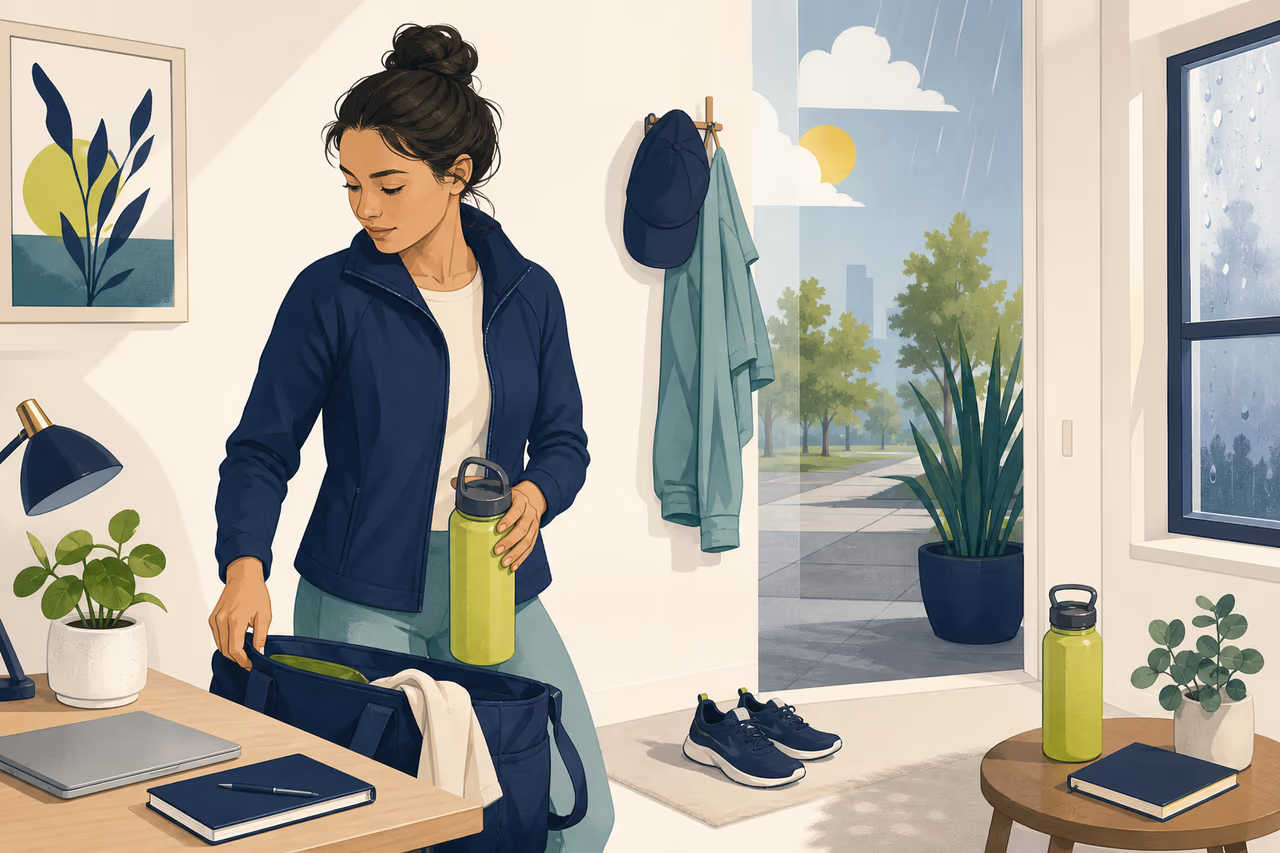
The Foundation of Flexible Habits: Adequacy and Balance
Adopting a flexible approach to hydration involves four core ideas drawn from broader nutritional well-being: adequacy, balance, moderation, and diversity.
- Adequacy: Consuming enough fluids and nourishing foods to meet your body's baseline demands during everyday activities and light exercise.
- Balance: Spreading your fluid intake naturally across the day rather than drinking excessive amounts in one sitting.
- Moderation: Avoiding extremes, such as forcing extreme fluid volumes or restricting intake unnecessarily.
- Diversity: Incorporating a variety of culturally familiar beverages and hydrating whole foods into your meals, from herbal teas to broths and fresh produce.
These concepts free you from diet culture and the pressure of automated perfection. Flexible habits require personal judgment rather than automated perfection, allowing you to adapt your routine as your schedule changes.
Limits of General Advice and When to Seek Professional Care
While everyday self-care practices support general vitality, general hydration education cannot account for individual clinical requirements or unique athletic training loads. Everyone has a distinct physiological makeup, and general educational articles cannot replace personalized medical guidance.
Useful self-care can support health and well-being but does not replace an appropriate health system or professional care. If you experience persistent fatigue, unusual thirst, dizziness, or other ongoing physical symptoms, consult an appropriate healthcare professional rather than relying solely on lifestyle adjustments. Recognizing the boundary between general wellness education and clinical care is an essential part of sustainable health.
Prime Tempr helps readers connect general food and wellbeing education with qualified teachers and practice formats while keeping nutrition education separate from individualized clinical care.
Flexible Daily Hydration Checklist
Use this checklist as a practical guide to keep your daily routines adaptable and grounded in personal awareness:
- Notice your natural thirst cues during daily activities and movement.
- Include a variety of culturally familiar, hydrating foods and beverages in your day.
- Keep fluid intake balanced across your routine rather than forcing large amounts at once.
- Recognize when general self-care is enough and when to seek professional guidance.
- What you need: A willingness to listen to your body and access to your preferred everyday beverages.
- Realistic time range: A continuous daily practice rather than a time-bound session.
- Ways to scale: Adjust your fluid intake up or down based on your local climate, physical activity level, and personal comfort.
- Stop rule: Stop attempting self-directed adjustments if you experience persistent physical discomfort, and consult a qualified clinician.
- When static guidance is not enough: If you manage a specific health condition, take medications that affect fluid balance, or engage in high-intensity endurance training, general checklists are insufficient. Seek personalized advice from a qualified healthcare professional.
Next Steps for Your Practice and Daily Routine
Integrating hydration with mindful movement creates a sustainable rhythm for your week. You can explore Everyday Food Habits to learn more about balanced nutrition. When you want to pair your daily habits with supportive movement, Find guidance that fits your practice to connect with qualified teachers and practice formats. If you ever find yourself questioning whether lifestyle habits are addressing your actual needs, read more about When General Nutrition Advice Is Not Enough: Limits And Next Steps.
Sources
Watch alongside this guide
Building a balanced plate
This plate example offers a visual companion to the article's flexible, non-prescriptive food guidance. Source: Harvard T.H. Chan School of Public Health. This optional video is context, not evidence or personal instruction.
The YouTube player stays unloaded until you choose to watch. Loading it connects to YouTube and may allow that service to process usage data.