Morning vs. Evening Yoga: Trade-offs, Timing, and Practical Consistency
Compare morning and evening yoga through the lens of flexible consistency systems, physical activity guidelines, and practical trade-offs.
https://primetempr.com/blog/morning-vs-evening-yoga-trade-offs-timing-and-practical-cons
The best time for yoga is the one you can realistically maintain without relying on a rigid schedule or punishing streak. Many practitioners struggle to decide whether morning yoga or evening yoga fits their schedule, energy levels, and consistency goals. Rather than assuming that waking up at dawn or executing a perfect daily streak is the only path to wellbeing, a practical approach looks at how movement fits into your actual life. Any amount of physical activity is better than none, all activity counts, and muscle strengthening benefits everyone.
Why the right time is the one you can repeat
Choosing a movement window does not require a complete lifestyle overhaul or an all-or-nothing mindset. When people treat a missed session as a personal failure rather than a cue to adjust their system, burnout usually follows. A sustainable routine accommodates fluctuating energy levels and unpredictable schedules.
Adults can work toward 150 to 300 weekly minutes of moderate aerobic activity and muscle strengthening on at least two days. Whether those minutes accumulate in the early morning or late evening matters less than your ability to repeat the practice safely over weeks and months.
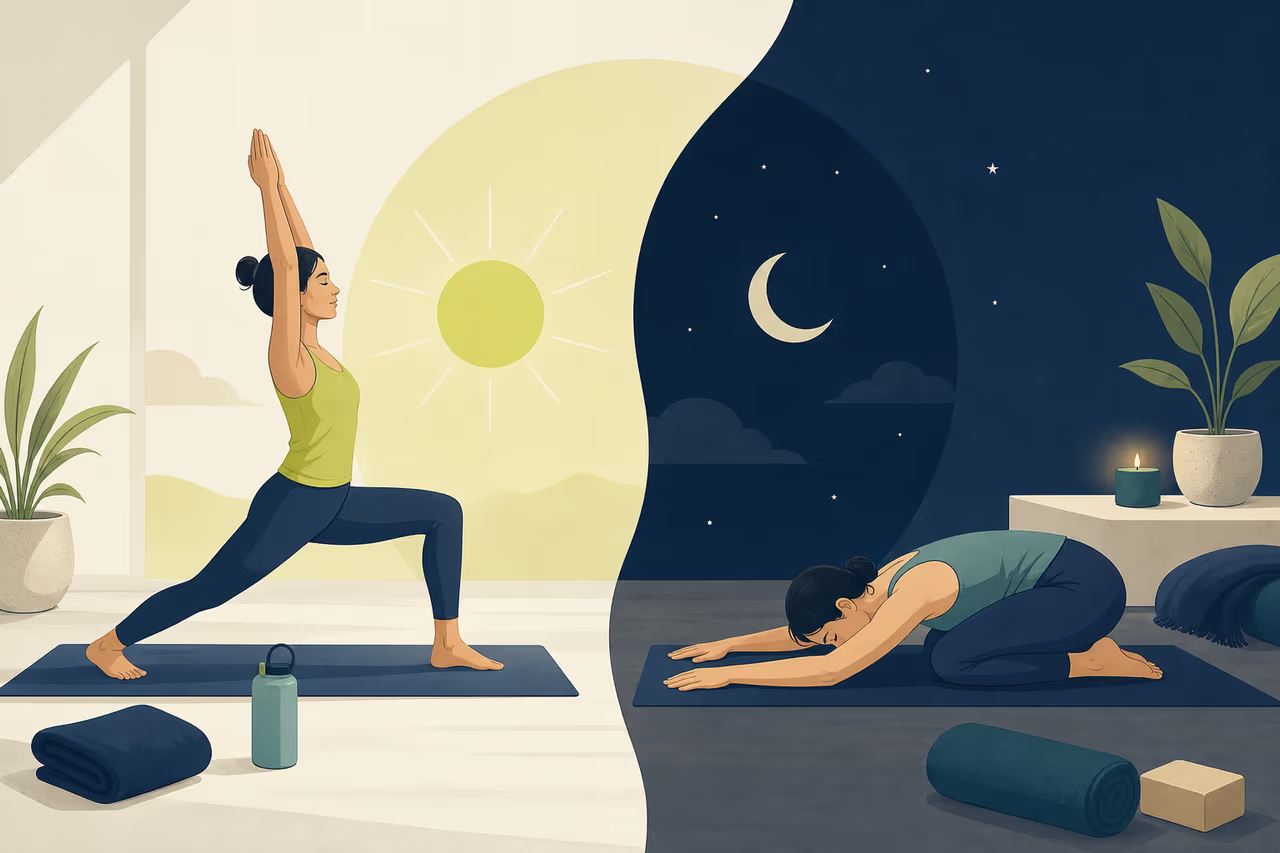
Morning yoga: what to expect and when it fits
Morning practices often appeal to those who want to establish momentum before the demands of the day take over. However, waking up and immediately rolling onto a mat comes with distinct physiological trade-offs.
Benefits and failure modes of morning practice
- Joint stiffness: Upon waking, spinal discs are more hydrated and joints can feel stiff, requiring a gentle warm-up rather than aggressive deep stretching.
- Schedule friction: Assuming morning yoga is superior simply because it requires waking up earlier often leads to sleep deprivation if bedtime is not adjusted accordingly.
- Energy shift: A brief morning sequence can clear grogginess and build light muscular endurance, contributing to your weekly physical activity goals.
If your mornings involve tight departure times or caregiving responsibilities, forcing a 6:00 AM yoga session can turn into a source of stress rather than support.
Evening yoga: decompressing and meeting activity goals
Evening yoga offers a completely different set of dynamics. Instead of waking up the nervous system, an evening session acts as a bridge between work, family demands, and rest.
Trade-offs of evening sessions
- Winding down vs. invigorating: While gentle evening stretching can help release tension accumulated at a desk, more vigorous flows close to bedtime can sometimes interfere with winding down for sleep.
- Competing priorities: Evening hours are frequently crowded with household chores, dinners, and fatigue, making it easy to skip planned sessions.
- Cumulative activity: Evening movement provides a reliable way to close the gap on daily movement targets, ensuring that physical activity happens even if the morning was consumed by work.
If your schedule changes every day, locking yourself into a rigid "every evening at 7 PM" rule will likely break down. Flexibility is essential for long-term adherence.
| Practice Window | Primary Advantage | Common Failure Mode | Best For |
|---|---|---|---|
| Morning Yoga | Builds early momentum; gets movement done before distractions. | Forcing early wake-ups without enough sleep; stiff joint strain. | Consistent early risers with predictable morning space. |
| Evening Yoga | Decompresses from the day; adds closing movement to weekly totals. | Competing with evening fatigue, chores, and work overruns. | People who need a physical boundary between work and rest. |
Choosing your practice window: a simple evaluation
To cut through the friction of deciding when to practice, use this straightforward evaluation process:
- Assess your most reliable 15-minute window during the week.
- Check how your body feels upon waking versus after work.
- Commit to a minimum viable session length (e.g., 10 to 15 minutes) rather than an all-or-nothing hour.
- If self-directed consistency stalls, look for local or online trainer support to build external accountability.
For more guidance on setting up a sustainable routine at home, read How to Build a Consistent Home Yoga Practice Without Starting Over.
When self-directed practice needs more structure
Self-guided morning or evening routines work well for building initial familiarity, but home practices naturally stall when motivation dips, plateaus appear, or life changes abruptly. If your solo routine stops providing enough structure, Prime Tempr helps find a trainer, studio, or trainer-shared programme that can add structure and accountability after a self-directed routine stops being enough. Working with a qualified professional or joining a studio class introduces external feedback, personalized scaling, and community connection that solo videos cannot replicate.
Sources
- Physical activity (opens in a new tab), World Health Organization
- Top 10 Things to Know About the Physical Activity Guidelines (opens in a new tab), Office of Disease Prevention and Health Promotion
Watch alongside this guide
A 22-minute home yoga practice
Use the session as a realistic practice option while testing the article's advice on consistency and manageable scope. Source: Yoga With Adriene. This optional video is context, not evidence or personal instruction.
The YouTube player stays unloaded until you choose to watch. Loading it connects to YouTube and may allow that service to process usage data.