Mindfulness vs Meditation: Core Differences and How to Choose
Compare mindfulness and meditation, examine NCCIH evidence on safety and mixed outcomes, and choose a practical next step.
https://primetempr.com/blog/mindfulness-vs-meditation-what-s-the-difference-and-how-to-c
Mindfulness is an ongoing quality of present-moment awareness applied to daily activities, whereas meditation typically involves dedicated, formal periods of practice with a specific anchor, such as the breath. Readers often encounter these two terms used interchangeably, making it difficult to understand how they differ practically or which approach to start with. Treating either concept as a quick fix or assuming that a rigid daily streak is required for progress can turn a supportive wellness habit into an exhausting obligation.
Understanding these distinctions helps you choose a sustainable path without expecting a single technique to act as a cure-all. Never mistake intensity, flexibility, or a perfect streak for real progress. Lead with the useful answer, maintain honest trade-offs, and take a small, manageable next step.
Defining Mindfulness and Meditation
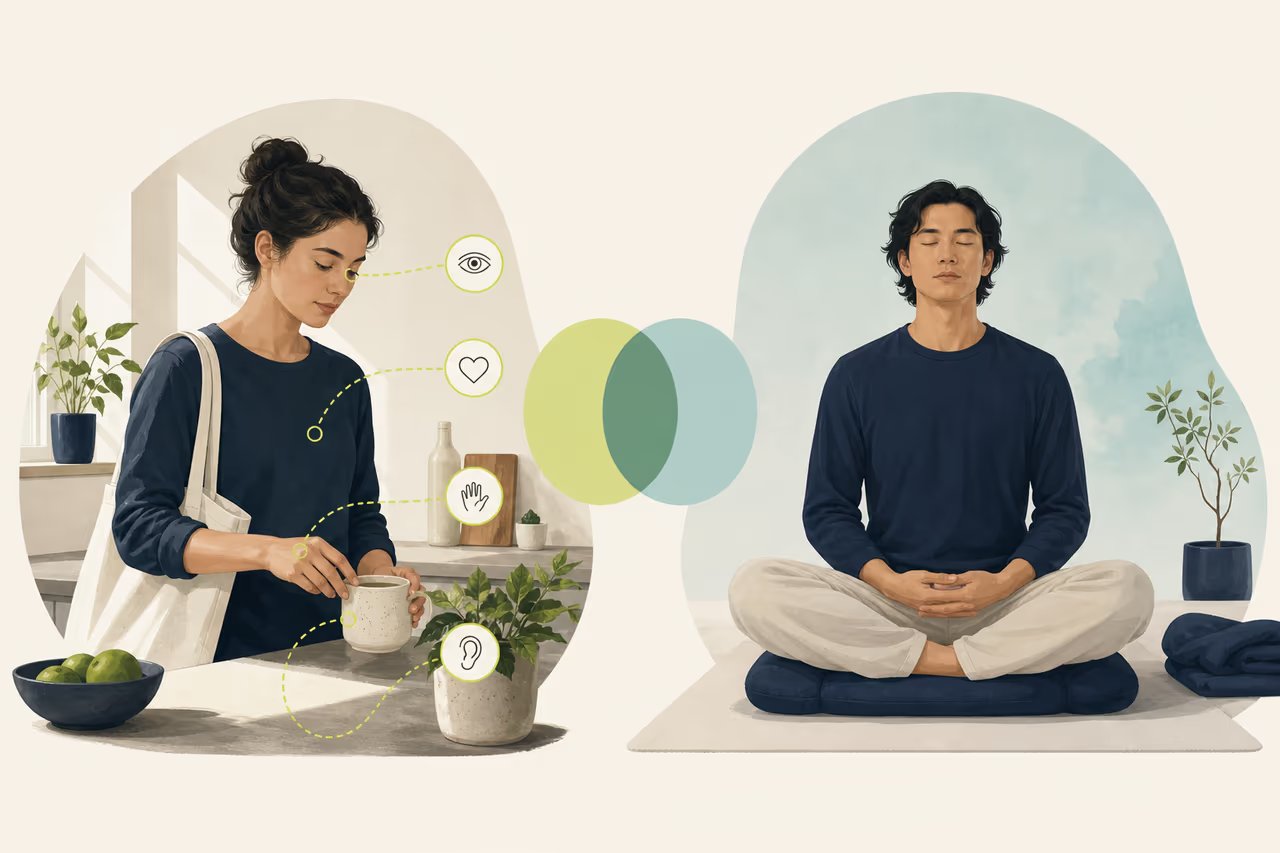
To clarify how these two practices intersect, it helps to look at their primary structures. Mindfulness can happen anywhere, whether you are washing dishes, walking outside, or listening to a colleague. It is the act of noticing distractions and returning your attention to the current moment without harsh self-judgment.
Meditation, by contrast, usually requires setting aside a dedicated block of time, assuming a stable posture, and directing attention toward a focal point like a mantra, body scan, or breath pattern. While meditation can cultivate a state of mindfulness, mindfulness does not strictly require sitting on a cushion for twenty minutes a day. You can practice everyday awareness entirely on the move.
| Feature | Mindfulness | Meditation |
|---|---|---|
| Primary Setting | Integrated into daily routines and tasks | Formal, dedicated time blocks |
| Structure | Informal and fluid | Structured focus (breath, mantra, imagery) |
| Duration | Moment-to-moment | Scheduled intervals (e.g., 10 to 30 minutes) |
What the Evidence Shows: Effectiveness and Safety
When evaluating wellness routines, institutional data provides a grounded perspective rather than exaggerated marketing claims. Meditation practices vary widely across traditions, and research indicates that evidence is mixed by outcome. A minority of participants report negative experiences during formal meditation, such as increased anxiety or uncomfortable emotional processing.
These findings highlight why a one-size-fits-all approach fails. If a self-guided practice causes persistent unease or confusion, it is entirely reasonable to pause, scale back the duration, or seek qualified, responsive guidance rather than forcing yourself through discomfort under the assumption that distress equals progress.
Relaxation Techniques in Context
Meditation and mindfulness often overlap with broader relaxation approaches. Relaxation approaches include breathing exercises, guided imagery, and progressive muscle relaxation. These methods can help manage daily stress and support physical ease, but they come with clear boundaries. Crucially, relaxation approaches should not replace conventional care for medical or psychological conditions. Viewing breathwork or meditation as a supportive lifestyle tool keeps expectations realistic and ensures that individuals experiencing acute health challenges continue to seek appropriate professional support.
Choosing Your Starting Point: Mindfulness vs. Meditation
If you are trying to decide how to begin, a structured decision guide can help clarify your immediate goals and safety boundaries.
- Identify whether you are looking for an everyday awareness practice or a dedicated time set aside for formal practice.
- Assess your comfort with self-guided routines versus the need for a live instructor. Self-guided approaches lack personalized feedback and real-time adjustments, which can make troubleshooting difficult if you feel stuck.
- Check that you are using relaxation approaches as a supportive tool rather than a substitute for professional care.
- Establish a gentle stop rule: if a practice causes persistent unease, pause and consult a qualified professional.
Prime Tempr helps readers find trainers who can explain breathing and meditation in context, so an introductory article becomes a starting point rather than a substitute for responsive guidance. Whether you want to Find guided breath and meditation support or explore broader concepts via Breathwork & Meditation, having a knowledgeable instructor to answer questions can make all the difference in keeping your practice safe, adaptable, and relevant to your actual life.
Sources
Watch alongside this guide
Breathing meditation
This short guided meditation lets you follow the basic attention and breathing ideas described in the article. Source: UCLA Health. This optional video is context, not evidence or personal instruction.
The YouTube player stays unloaded until you choose to watch. Loading it connects to YouTube and may allow that service to process usage data.