Meditation Before Bed: A Clear, Practical Guide
Understand how meditation before bed works, its practical limits, and choose one proportionate next step for your evening routine.
https://primetempr.com/blog/meditation-before-bed-a-clear-practical-guide
Meditation before bed can support evening relaxation when practiced flexibly, but approaches vary, outcomes are mixed, and it should complement rather than replace conventional care. Adults often want to try meditation to unwind at the end of a long day, but many find themselves unsure which practice fits, how to manage an active mind, or what limits to keep in view.
Expecting meditation to instantly cure sleep issues or replace conventional medical treatment is a common failure mode. Another is forcing a rigid practice schedule that creates performance anxiety or increases alertness right when you are trying to wind down. If a particular meditation practice increases alertness or frustration before bed, stop immediately, switch to a simple relaxation technique or gentle breathing, and consult a qualified teacher or healthcare professional.
What is meditation before bed?
Meditation before bed involves setting aside a brief period in the evening to transition from daily tasks to rest using structured mental focus or relaxation methods. Relaxation approaches include breathing, guided imagery, and progressive relaxation, and they should not replace conventional care.
Rather than aiming for an empty mind or a guaranteed outcome, evening meditation is simply a tool to help signal to your body that the workday is done. You might use slow, intentional breathing, mentally scanning through different parts of the body to release physical tension, or listening to calming guided imagery. The goal is personal comfort, not architectural perfection in your posture or strict adherence to a rigid schedule.
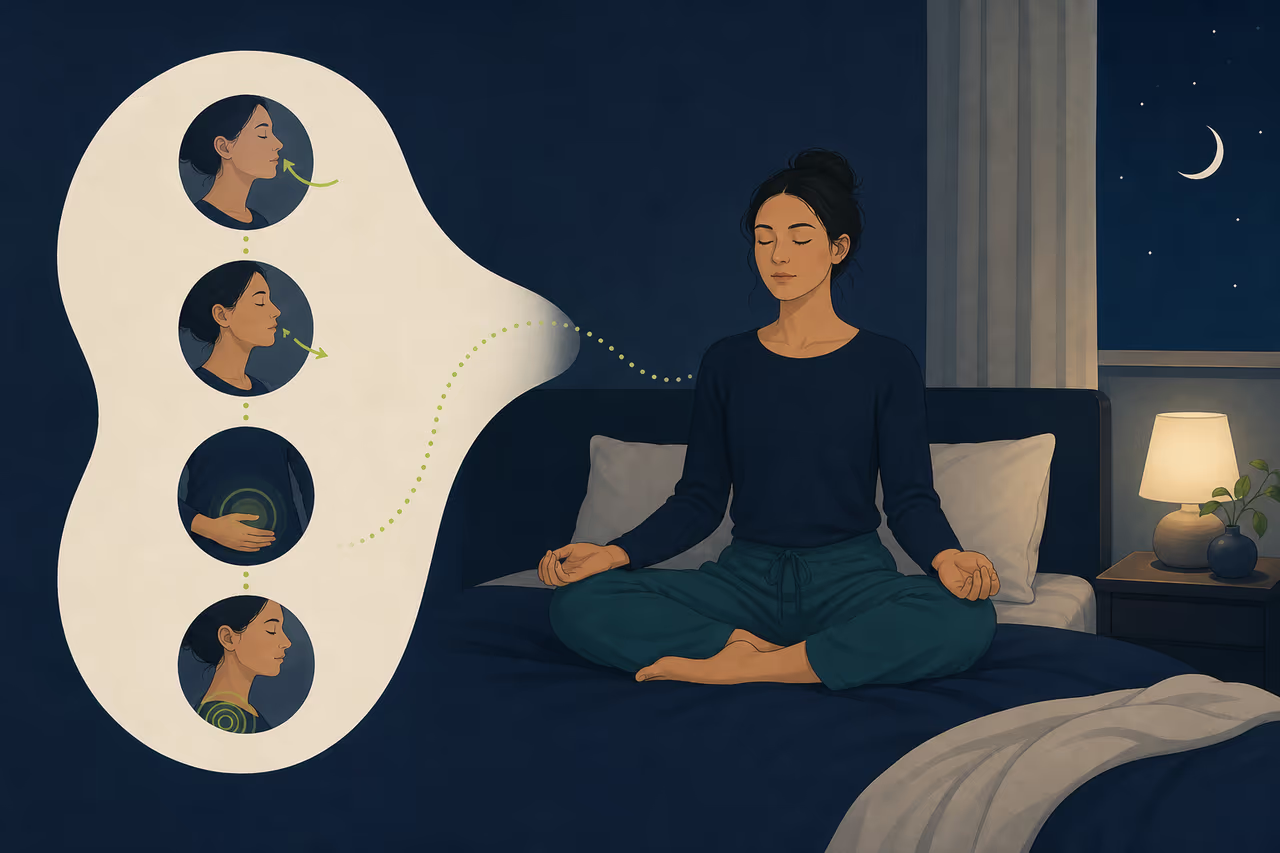
How relaxation and mindfulness practices vary
Different techniques affect people differently, and it helps to understand that meditation practices vary; evidence is mixed by outcome, and a minority of participants report negative experiences. What helps one person unwind might leave another feeling restless or hyper-aware of their thoughts.
| Approach | Typical Focus | Common Evening Application |
|---|---|---|
| Breathing Techniques | Slow, intentional inhales and exhales | Regulating the breath to anchor attention away from daily stress |
| Guided Imagery | Visualizing peaceful, restorative settings | Shifting mental focus away from active problem-solving |
| Progressive Relaxation | Tensing and releasing muscle groups | Noticing and releasing physical holding patterns in the body |
Because these practices vary widely, there is no single right way to structure an evening routine. Experimenting with different methods at a gentle pace allows you to discover what actually brings a sense of ease rather than enforcing a practice that feels like another chore on your to-do list.
Realistic limits and what to watch for
While evening relaxation techniques can be a helpful addition to your wind-down routine, it is essential to keep their limits in view. Meditation practices vary, evidence is mixed by outcome, and a minority of participants report negative experiences such as heightened anxiety or uncomfortable emotional processing. Relaxation approaches include breathing, guided imagery, and progressive relaxation, and they should not replace conventional care for chronic sleep disorders, anxiety, or other medical conditions. If you experience persistent sleep disruption or distress, working with a healthcare professional is always the most prudent path.
Before-bed practice check
If you want to explore a simple, low-pressure evening routine, use this quick checklist to guide your approach.
- Identify a quiet, comfortable space free from bright screens.
- Choose a simple relaxation approach, such as breathing or gentle body awareness. Explore more options via Breathwork & Meditation.
- Set a modest time limit, such as 5 to 10 minutes, with no pressure for a specific outcome.
- Notice any physical or mental discomfort and give yourself permission to stop immediately if the practice causes strain or alertness.
- If you want deeper support tailored to your habits, Prime Tempr helps readers find trainers who can explain breathing and meditation in context, so an introductory article becomes a starting point rather than a substitute for responsive guidance. You can Find guided breath and meditation support to connect with qualified professionals. For a specific technique to try, read How to Do a Body Scan Meditation: A Clear, Practical Guide.
Sources
Watch alongside this guide
Breathing meditation
This short guided meditation lets you follow the basic attention and breathing ideas described in the article. Source: UCLA Health. This optional video is context, not evidence or personal instruction.
The YouTube player stays unloaded until you choose to watch. Loading it connects to YouTube and may allow that service to process usage data.