Is Daily Yoga Realistic? What You Need to Know
Learn whether daily yoga works for your routine, why strict streaks cause burnout, and how to build lasting habits.
https://primetempr.com/blog/is-it-realistic-to-do-yoga-every-day-what-to-know
Daily yoga is realistic only if you scale intensity down, treat rest as part of the system, and avoid the trap of rigid streaks.
If you wonder whether to roll out your mat daily, the short answer is yes, but not in the way internet fitness culture portrays it. Any amount of physical activity is better than none, and all activity counts. However, practicing yoga every day does not mean executing a strenuous, advanced 60-minute Vinyasa flow seven days a week. True sustainability requires redefining a daily practice so it supports your physical and mental well-being rather than draining it.
Why All-or-Nothing Streaks Fail
The most common failure mode in daily wellness routines is the psychological trap of the unbroken calendar streak. When people decide to do yoga every day, they often picture an idealized version of themselves executing a rigorous, flawless session every morning at 6:00 AM.
This approach carries distinct practical tradeoffs. While high-intensity daily routines build habit momentum initially, they drastically increase the risk of overuse injuries and mental fatigue. When life inevitably interferes, such as when work runs late, sleep is poor, or a minor ache flares up, the rigid streak shatters.
Treating a missed day as a total failure often triggers an all-or-nothing collapse. People abandon their practice entirely because they feel they have already ruined their streak. Moving away from perfectionism allows you to view movement as a flexible lifelong habit instead of a fragile test of willpower.
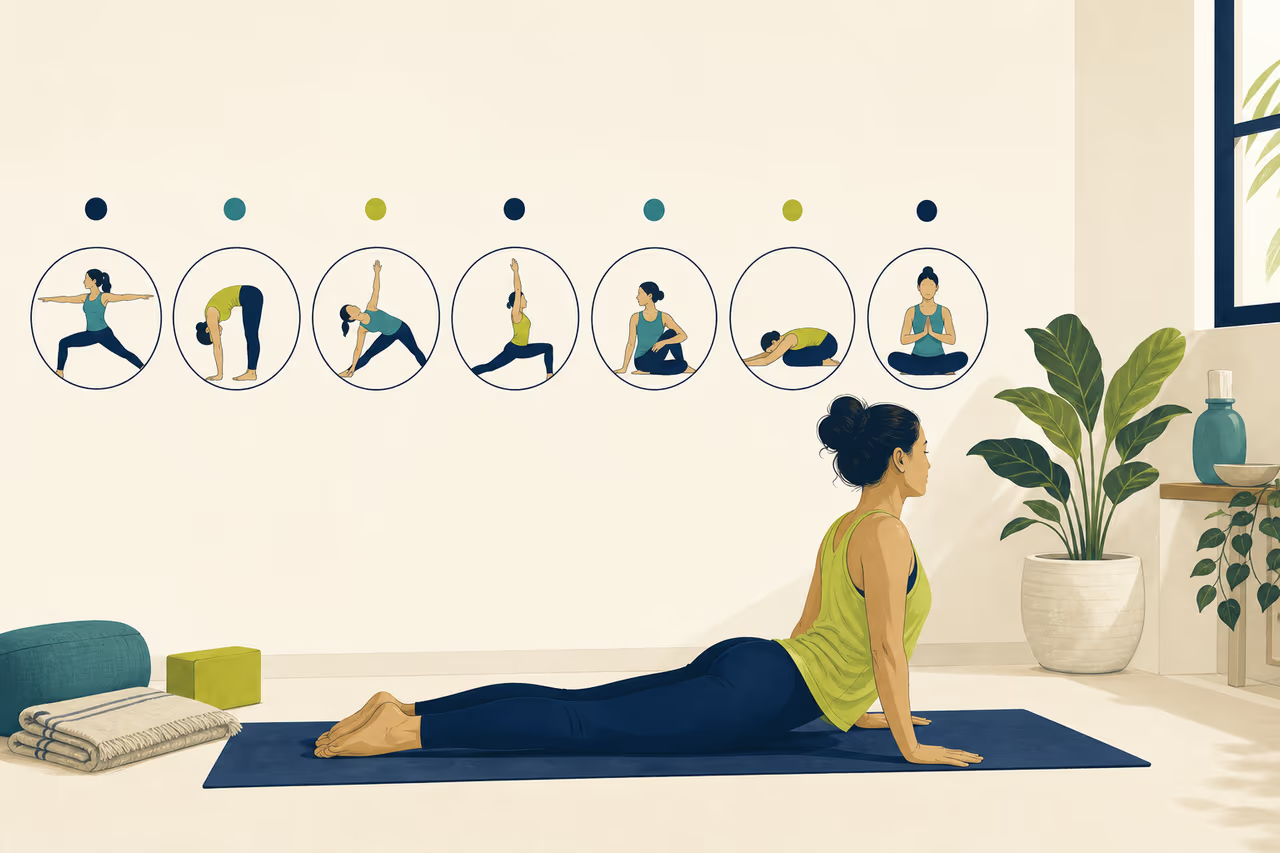
Designing a Sustainable Weekly Rhythm
To make daily movement realistic, you must vary your intensity and align your expectations with established health frameworks. Adults can work toward 150 to 300 weekly minutes of moderate aerobic activity and muscle strengthening on at least two days. Yoga can easily fulfill parts of this recommendation, provided you do not treat every session with equal intensity.
A realistic daily yoga rhythm relies on shifting gears throughout the week:
| Day Type | Focus | Example Practice |
|---|---|---|
| Strengthening Days | Dynamic load, balance, and muscular engagement | 30 to 45 minutes of active, alignment-focused movement |
| Recovery Days | Mobility, gentle stretching, and nervous system down-regulation | 15 minutes of restorative floor postures or gentle cat-cows |
| Rest Days / Breathwork | Pranayama, meditation, or short movement snacks | 5 to 10 minutes of seated breathing without physical strain |
By alternating vigorous flows with restorative movement or breathwork, you protect your joints, maintain tissue recovery, and keep the habit psychologically approachable.
The Sustainable Daily Practice Checklist
Before committing to a daily movement routine, use this practical checklist to keep your expectations grounded:
- Define what a short, low-energy minimum version looks like for low-capacity days.
- Alternate vigorous or strengthening flows with restorative movement or breathwork.
- Track weekly consistency rather than unbroken calendar streaks.
- Identify when self-guided practice plateaus and you need outside support for structure.
When Self-Directed Practice Stops Being Enough
Self-directed routines offer maximum scheduling flexibility, but they lack external feedback and accountability. Eventually, practicing entirely on your own can lead to plateaued progress, unaddressed movement habits, or fading motivation.
When a self-guided routine stops being enough, adding professional guidance changes the dynamic entirely. Prime Tempr helps readers find a trainer, studio or trainer-shared programme that can add structure and accountability after a self-directed routine stops being enough. Whether you choose to browse yoga programmes for structured self-paced modules or find ongoing practice support with a qualified instructor, external input helps bridge the gap between casual home stretching and a lifelong, resilient movement habit. For more ideas on establishing a steady foundation, read our guide on how to build a consistent home yoga practice without starting over.
Sources
- Physical activity (opens in a new tab), World Health Organization
- Top 10 Things to Know About the Physical Activity Guidelines (opens in a new tab), Office of Disease Prevention and Health Promotion
Watch alongside this guide
A 22-minute home yoga practice
Use the session as a realistic practice option while testing the article's advice on consistency and manageable scope. Source: Yoga With Adriene. This optional video is context, not evidence or personal instruction.
The YouTube player stays unloaded until you choose to watch. Loading it connects to YouTube and may allow that service to process usage data.