How to Warm Up for a Walk Without Overcomplicating It
Prepare your body for walking with a simple three-minute routine designed to build a sustainable, long-term movement practice.
https://primetempr.com/blog/how-to-warm-up-for-a-walk-without-overcomplicating-it
You do not need a fifteen-minute routine to prepare for a walk. The most effective warm-up is simple enough to do every time you head out. A walking warm-up has a straightforward purpose: it transitions your body from rest to activity, improving your comfort and readiness.
Why Warm Up for a Walk?
While any amount of physical activity is better than none and all activity counts, taking a few minutes to prepare changes how your body feels during and after your walk. Think of a warm-up as a clear signal to your joints and muscles that it is time to move.
Many people view a warm-up as a rigid requirement or a barrier to exercise. In reality, it is a flexible tool. If you find yourself skipping your walk because you don't have time for a "proper" warm-up, you are overcomplicating it. The goal is to move in a way that feels good, not to add another chore to your to-do list. If a formal warm-up feels like too much, simply start your walk at a slower, casual pace for the first five minutes. This allows your body to naturally ease into the effort without the need for specialized equipment or extra time.
A Simple Approach to Pre-Walk Movement
A warm-up should match the activity. For a standard walk, you only need a few minutes of gentle, rhythmic movement to increase blood flow and prepare your muscles.
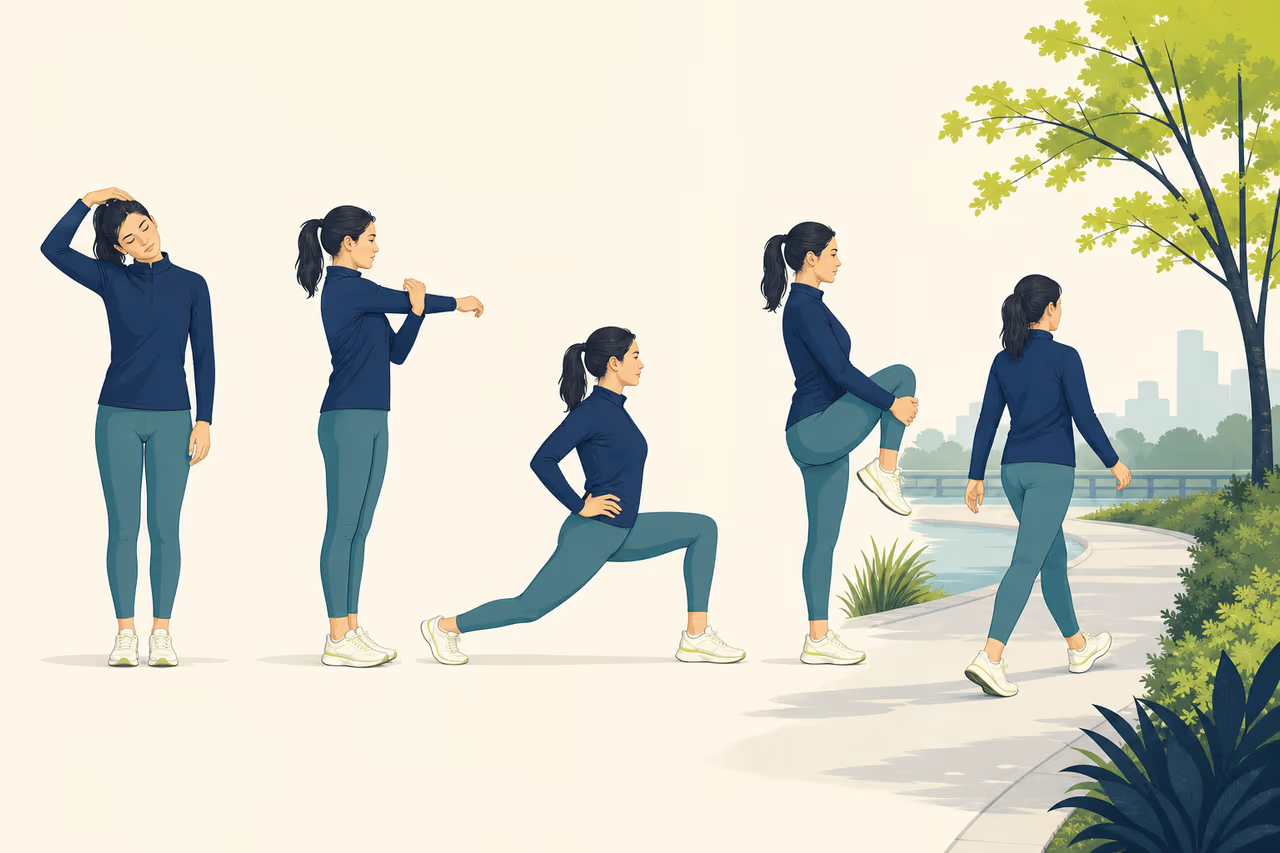
If you want a structured way to start, use this three-minute sequence. It is low-friction and easy to remember, helping you move with intention before picking up your pace.
Your 3-Minute Walking Warm-Up
| Time | Activity | Focus |
|---|---|---|
| 1 Minute | Gentle marching in place | Wake up the legs and find your rhythm. |
| 1 Minute | Slow ankle circles and hip hinges | Gently mobilize the joints used in walking. |
| 1 Minute | Casual, conversational-pace walk | Ease into your full stride and intensity. |
To gauge whether you are starting at the right intensity, use The Talk Test: A Simple Way to Gauge Your Exercise Intensity to ensure your pace remains sustainable.
Failure Modes and Trade-offs
A common mistake is treating the warm-up as a barrier. If you feel you need a specific set of stretches before walking, you might skip the walk entirely when short on time. Remember: the most important factor is simply getting started.
Consider the nature of walking itself. While it is an excellent aerobic activity, it does not replace muscle-strengthening activities vital for long-term health. A formal warm-up improves comfort, but it does not replace a well-rounded movement routine.
Beyond the Walk: Building a Balanced Practice
Walking is a fantastic foundation, but it is just one piece of the puzzle. Current health guidelines suggest adults work toward 150 to 300 weekly minutes of moderate aerobic activity, combined with muscle-strengthening activities on at least two days per week.
If you enjoy walking but want to meet these broader goals, you may benefit from moving beyond self-guided efforts. Building a balanced, repeatable programme often requires more than willpower; it requires the right support.
Prime Tempr connects readers with trainers and yoga businesses that provide balanced, repeatable programmes and human accountability. Whether you need yoga for mobility or a trainer to integrate strength work into your walking routine, professional guidance turns a solitary habit into a sustainable lifestyle.
If you are ready for the next step in your movement journey, you can Find a yoga teacher to help design a routine that complements your walking and supports your long-term health goals.
Frequently Asked Questions
Do I really need a warm-up if I’m just going for a casual stroll? If you are walking at a very leisurely pace, your body is likely already "warmed up" by the act of starting. However, if you plan to walk briskly or for a longer duration, a brief transition period can help you feel more comfortable.
How do I know if my warm-up is enough? Your warm-up is enough if you feel ready to move and aren't experiencing discomfort when you increase your pace. If you feel stiff or "cold" after five minutes of walking, try adding a bit more movement to your initial routine.
Can I just stretch instead of marching? Static stretching is typically better suited for after your walk. Before you start, focus on dynamic movements, such as marching or gentle circles, that keep your body in motion.
Sources
- Physical activity (opens in a new tab), World Health Organization.
- Top 10 Things to Know About the Physical Activity Guidelines (opens in a new tab), Office of Disease Prevention and Health Promotion.
Watch alongside this guide
Just walk
This short walking overview reinforces the guide's focus on accessible, repeatable movement rather than elaborate equipment. Source: American Heart Association. This optional video is context, not evidence or personal instruction.
The YouTube player stays unloaded until you choose to watch. Loading it connects to YouTube and may allow that service to process usage data.