How to Track Yoga Progress Without Photos
Measure your yoga practice through stability, steady breath, and functional strength instead of visual comparison photographs.
https://primetempr.com/blog/how-to-track-yoga-progress-without-photos
True yoga progress shows up in your stability, breath, and daily ease long before it appears in a visual comparison photograph. If you find progress photos aesthetic-driven, intrusive, or discouraging, you are not alone. Relying on visual changes to validate a movement practice ties your well-being to how a shape looks rather than how your body actually feels and functions.
Tracking progress without photos requires paying attention to internal shifts, functional milestones, and consistency over time. While non-visual tracking demands self-reflection and patience, it offers a much more honest reflection of your physical and mental well-being.
Why Photos Miss the Point of Yoga
Aesthetic tracking reduces a complex movement practice down to a single frozen frame. It encourages a focus on external shapes, such as how deep a fold goes or how high a leg extends, while ignoring internal stability, joint health, and nervous system regulation. Visual comparisons fluctuate daily due to hydration, lighting, time of day, and clothing. Treating flexibility or a rigid visual shape as the sole definition of progress creates an unnecessary failure mode. You might criticize yourself for not matching an online ideal while ignoring that your chronic lower back tension has eased or your balance during transitions has vastly improved.
Shifting away from photos lets you evaluate what matters: how your body moves through the world and how sustainable your practice is.
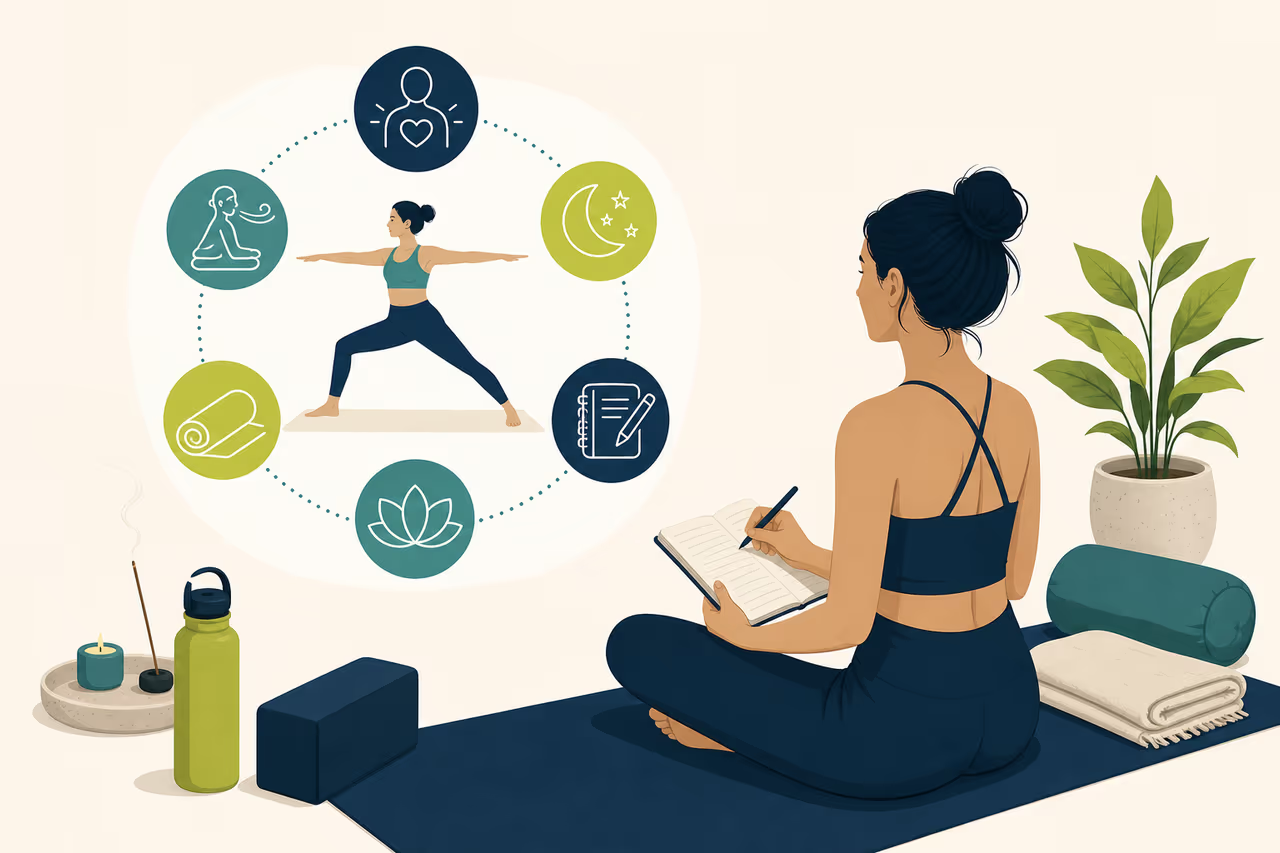
Tracking Functional Strength and Consistency
Yoga is a physical activity that builds strength, mobility, and body awareness. To understand whether your practice is working, anchor your expectations to public health guidelines rather than arbitrary aesthetic milestones.
According to global health standards, any amount of physical activity is better than none, all activity counts, and muscle strengthening benefits everyone. For general well-being, adults can work toward 150 to 300 weekly minutes of moderate aerobic activity and muscle strengthening on at least two days.
When applied to yoga, this means your progress is measured by cumulative weekly movement, your ability to engage muscle groups safely, and your consistency over weeks and months, not by whether you achieved a specific pose today. Stressing over an unbroken daily streak often leads to burnout. Instead, examine whether your weekly rhythm supports sustainable, recurring movement.
Signs of Progress You Can Feel
Without photos, you can rely on concrete internal and functional markers to notice improvements in your practice. Consider these practical indicators:
| Category | What to Look For | How It Manifests |
|---|---|---|
| Breath Control | Recovery and pacing | Your breath remains steady during challenging transitions or holds, rather than becoming sharp or restricted. |
| Functional Strength | Daily ease | Everyday tasks,like lifting groceries, carrying objects, or walking up stairs,feel noticeably smoother and require less effort. |
| Stability | Joint support | Balancing poses feel less jittery, and you can catch a wobble using muscle engagement rather than collapsing into your joints. |
| Consistency | Habit durability | You return to your mat regularly without needing an intense emotional push or a strict aesthetic goal. |
These markers require honest self-reflection. They lack the false precision of biometric gadgets or expert anatomical observation, but they tell you far more about your lived experience in your body.
When Self-Directed Tracking Isn't Enough
A self-guided routine is an effective way to build autonomy, but it has natural limits. Self-directed logging lacks outside perspective, and it is easy to miss subtle alignment habits, plateaus, or areas where you are accidentally overcompensating.
If your self-guided tracking stalls, if your home practice feels repetitive, or if you find yourself guessing whether you are improving, look at your wider baseline. When a self-directed routine stops being enough, outside structure makes all the difference. Prime Tempr helps readers find a trainer, studio or trainer-shared programme that can add structure and accountability after a self-directed routine stops being enough. Exploring guided options can introduce fresh insights, refine your technique, and give you supportive feedback that solo tracking cannot provide.
Non-Visual Progress Check-In
Use this quick checklist to review your practice without picking up a camera:
- Note how your breath feels during a challenging transition or hold compared to last month.
- Check if daily physical tasks (like lifting groceries or walking stairs) feel noticeably easier.
- Confirm whether you hit your weekly baseline of muscle-strengthening movement.
- Reflect on whether your practice schedule feels sustainable or if you need external support.
If you are looking for external guidance to take your movement further, you can browse yoga programmes or find ongoing practice support to match your current needs. For more tips on building a sustainable routine, read our guide on how to build a consistent home yoga practice without starting over.
Sources
Watch alongside this guide
A 22-minute home yoga practice
Use the session as a realistic practice option while testing the article's advice on consistency and manageable scope. Source: Yoga With Adriene. This optional video is context, not evidence or personal instruction.
The YouTube player stays unloaded until you choose to watch. Loading it connects to YouTube and may allow that service to process usage data.