How to Start Cardio When You Are Inactive: A Gentle Approach
Begin your cardio routine with manageable steps, treat every minute of movement as a win, and build a truly sustainable fitness habit.
https://primetempr.com/blog/how-to-start-cardio-when-you-are-inactive-a-gentle-approach
Starting cardio when you have been inactive is not about hitting a specific heart rate or duration; it is about establishing a sustainable habit where any amount of movement is a successful starting point. Many people feel overwhelmed by high-intensity fitness culture, believing that if they aren't breathless or sweating profusely, they aren't "doing cardio." This mindset often leads to burnout or injury.
The reality is much simpler: any amount of physical activity is better than none, and all activity counts. By shifting your focus from intensity to consistency, you can build a foundation that supports your long-term health without the pressure of an "all-or-nothing" approach.
Start With What You Can Do
When you are starting from a place of inactivity, the most effective strategy is to lower the barrier to entry. If you try to jump into a 45-minute high-intensity workout, you are likely to experience fatigue, soreness, or frustration. Instead, look for movement that feels manageable and repeatable.
"Cardio" is simply any rhythmic movement that increases your heart rate and breathing. This doesn't have to mean running or expensive gym equipment. It can be a brisk walk around your neighborhood, dancing in your living room, or even a steady, flowing yoga sequence.
Common Failure Modes
- The Intensity Trap: Trying to move too fast or too hard in the first week.
- The Measurement Myth: Judging your success solely by calories burned or heart rate zones.
- The Perfectionist Streak: Thinking that if you miss a day, you have "failed" and should stop altogether.
If you find yourself feeling overwhelmed or if you miss a scheduled session, the best recovery path is to reset by reducing your goal to just 5 or 10 minutes. By keeping the duration short, you maintain the habit loop without the physical or mental exhaustion that leads to quitting.
Understanding the Guidelines
While starting small is essential, it is helpful to understand the broader context of health recommendations. According to the Physical Activity Guidelines for Americans, adults can work toward 150 to 300 minutes of moderate aerobic activity per week, along with muscle-strengthening activities on at least two days.
These numbers are long-term goals, not immediate requirements. If you are currently inactive, 150 minutes might feel like a mountain. Do not let these figures intimidate you. Think of them as a destination you are walking toward, rather than a hurdle you must jump over today. Every minute of movement you add to your life contributes to your overall health, regardless of whether you hit the weekly target in your first month or your first year.
The "Talk Test" for Intensity
How do you know if you are working at a "moderate" level? Use the "talk test." If you can hold a conversation while moving, you are likely in a moderate aerobic zone. If you are gasping for air and cannot speak, you are likely pushing too hard for your current fitness level. Dialing back the intensity allows your body to adapt safely over time.
The Role of Consistency and Support
The primary trade-off when starting a new movement routine is the balance between autonomy and guidance. Self-guided movement is accessible and flexible, but it lacks the accountability and form correction that a professional can provide.
Starting on your own is a great way to build the initial habit, but as you progress, you may find that your body requires more specific attention. This is where working with a professional becomes valuable. A trainer or a yoga instructor can help you refine your movement patterns, ensuring that you are building strength in a way that minimizes the risk of injury.
Prime Tempr helps readers connect broad activity guidance with trainers and yoga businesses that can provide a balanced, repeatable programme and human accountability. Whether you are looking for a gentle yoga class to support your mobility or a trainer to help you progress your walking routine, connecting with a professional can turn a sporadic effort into a structured, sustainable practice.
Your First Week of Movement
To get started, focus on these four simple steps. Do not worry about "perfecting" the workout; worry only about showing up.
- Commit to three 10-minute walks this week. Keep them short and manageable.
- Use the "talk test": Keep your pace slow enough to hold a conversation.
- Track consistency, not intensity. Put a checkmark on a calendar for every day you move, regardless of how long you moved.
- Explore a local yoga class. Yoga is an excellent way to support your mobility and recovery as you increase your daily activity. Build a balanced practice by finding a local studio that meets your needs.
For more on why small, consistent efforts are more effective than sporadic bursts of activity, read The Case for the 10-Minute Walk: Building Movement That Sticks.
Frequently Asked Questions
What if I feel sore after my first walk? Soreness is a normal response to new activity. Take a rest day, or engage in very light movement like gentle stretching or a slow walk to help your body recover.
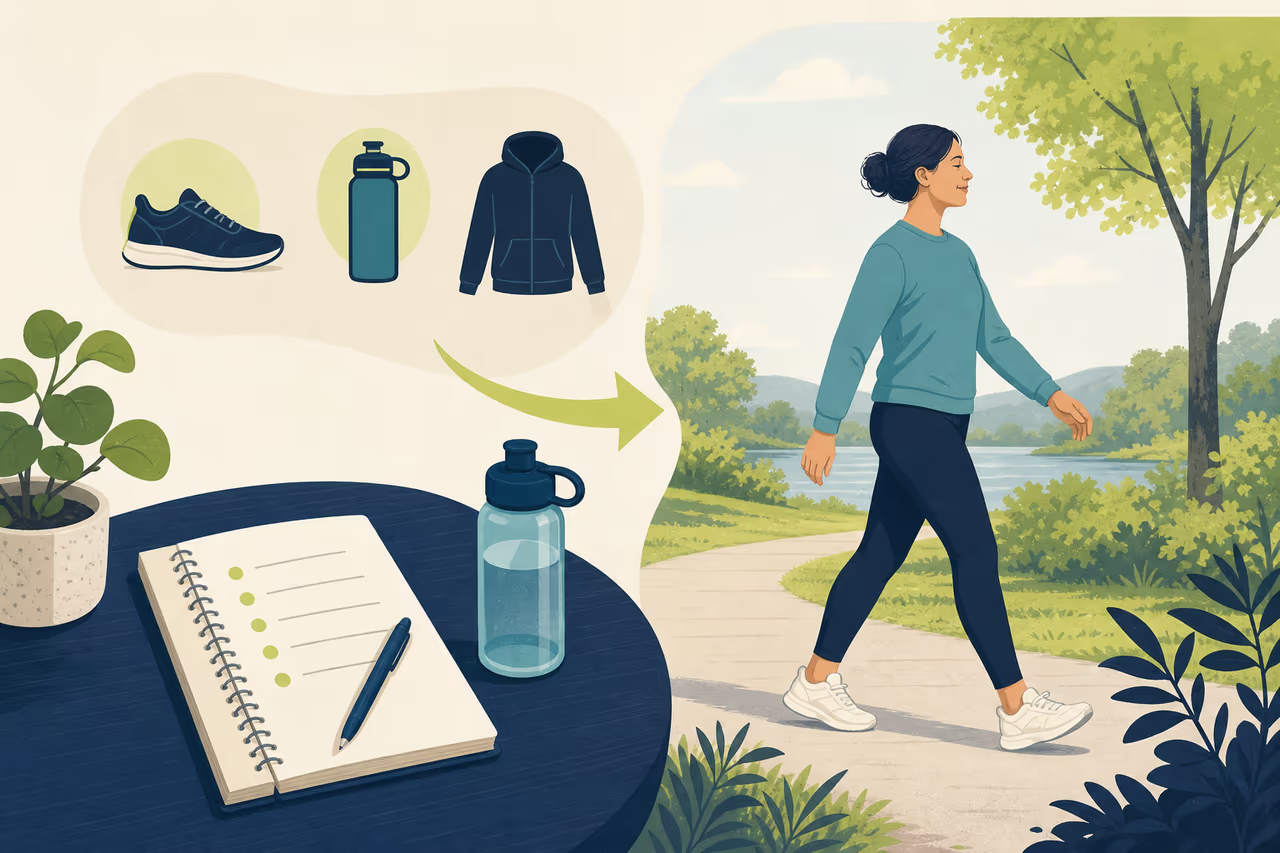
Do I need special equipment to start? No. For walking, you only need comfortable shoes. For yoga, a mat is helpful, but many studios provide them for beginners.
When should I consider working with a trainer? If you feel unsure about your form, if you have specific physical limitations, or if you find that you are struggling to stay consistent, a trainer can provide the accountability and guidance you need to stay safe and motivated.
Sources
- Physical activity (opens in a new tab), World Health Organization.
- Top 10 Things to Know About the Physical Activity Guidelines (opens in a new tab), Office of Disease Prevention and Health Promotion.
Watch alongside this guide
Just walk
This short walking overview reinforces the guide's focus on accessible, repeatable movement rather than elaborate equipment. Source: American Heart Association. This optional video is context, not evidence or personal instruction.
The YouTube player stays unloaded until you choose to watch. Loading it connects to YouTube and may allow that service to process usage data.