How to Set Realistic Yoga Goals
Set sustainable yoga goals by prioritizing consistency over intensity, safely integrating postures, breathing, and meditation.
https://primetempr.com/blog/how-to-set-realistic-yoga-goals-a-practical-non-judgmental-g
Setting realistic yoga goals prioritizes consistency over intensity, viewing postures, breathing, and meditation as a flexible framework, not a rigid test. Many practitioners quit early, measuring progress by intense physical benchmarks, strict daily streaks, or rapid flexibility gains instead of sustainable movement.
An all-or-nothing mindset in yoga makes a single missed day feel like a complete failure. Understanding sustainable routine requirements helps avoid burnout and keeps your movement practice enjoyable long-term.
Why Traditional Fitness Goals Fail in Yoga
Rigid daily streaks and aggressive intensity targets often backfire in yoga. Traditional fitness models encourage grueling routines, daily compliance metrics, and rapid physical transformations. In yoga, this mindset creates intense pressure to touch toes, hold advanced balances, or practice for an hour daily without exception.
This approach leads to expecting dramatic flexibility or strength changes within the first week. When rapid changes do not occur, frustration sets in. Treating missed days as a moral failure, rather than a normal part of a fluctuating schedule, causes many beginners to abandon their practice. Pushing past physical limits to maintain a streak ignores bodily feedback, increasing the risk of strain or injury.
Understanding What Yoga Involves
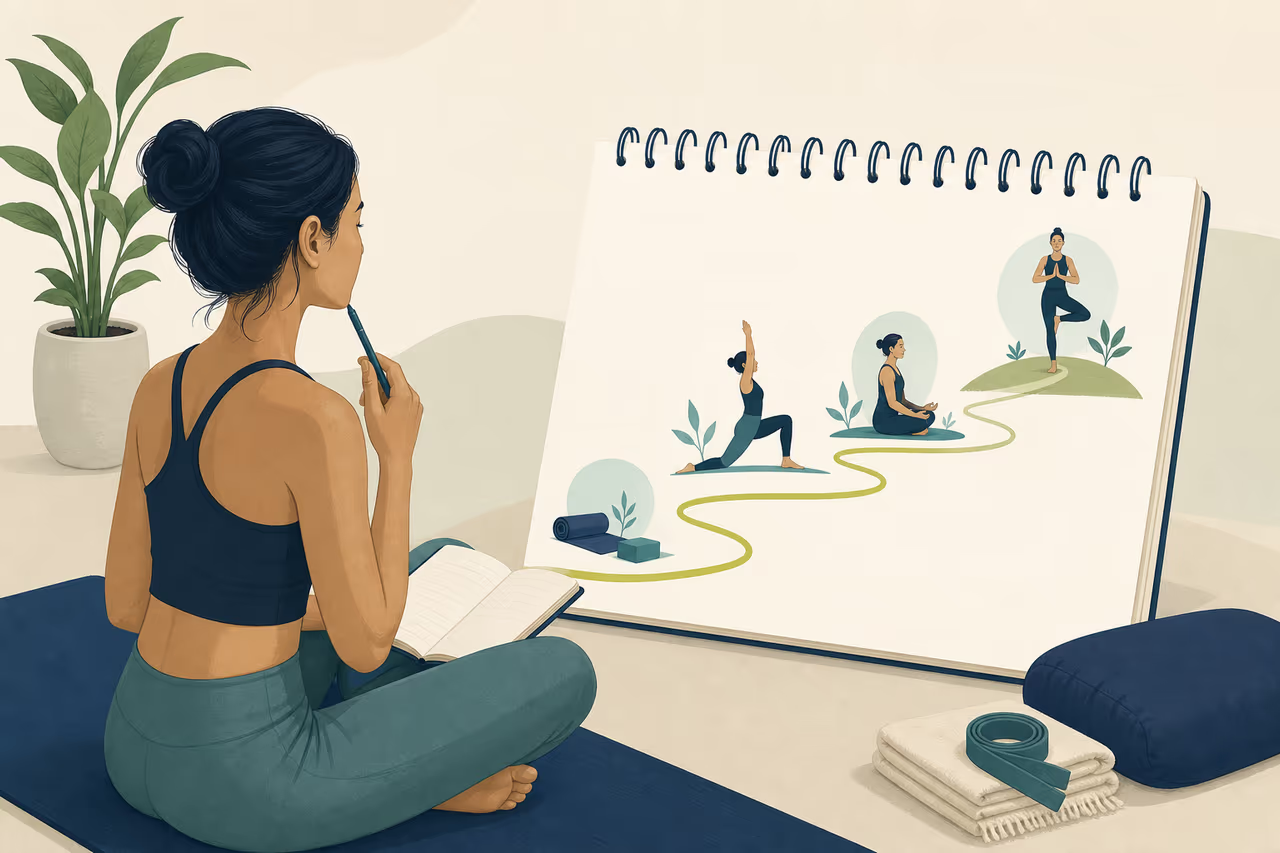
Yoga combines postures, breathing, and meditation; styles vary, benefits should be described with uncertainty, and injuries can occur. Since styles range from gentle restorative classes to rigorous power flows, your goals must match your current capacity, not an idealized image from social media.
Recognizing variable benefits helps ground expectations. Many people report feeling calmer, more mobile, or more grounded, but these outcomes unfold gradually and unpredictably. Accepting that injuries can occur even in gentle settings reminds you to respect body signals, rather than forcing a shape because an instructor or neighbor does it.
Applying the Principle That All Movement Counts
Any amount of physical activity is better than none, all activity counts, and people should limit sedentary time. You do not need a pristine 60-minute morning window to make yoga worthwhile. A short 10-minute sequence between work tasks or a gentle evening stretch contributes to your overall physical activity and mental well-being.
Framing movement as an accumulative benefit, not a pass-fail test, removes the friction that keeps many adults from starting. Limiting sedentary time alongside designated sessions helps integrate movement naturally into your day without a complete lifestyle overhaul.
Common Trade-Offs in Goal Setting
| Approach | Trade-Off | Result |
|---|---|---|
| Ambitious Daily Streaks | High risk of burnout, guilt over missed days, and potential injury from overexertion. | Often leads to quitting entirely within the first month. |
| Gentle, Consistent Goals | Slower visible milestone achievements and less immediate physical drama. | Builds long-term habits, resilience, and sustainable movement patterns. |
Setting gentle, low-pressure goals may slow visible milestone achievements. Balancing physical postures with breath and meditation requires patience and removes quick-fix gratification. However, it protects joints and nurtures a sustainable relationship with movement.
The Sustainable Yoga Goal Builder
If an ambitious schedule or pose target fails, scale back to shorter, low-intensity sessions, focus on basic breathing and postures, and consult a qualified teacher. Use this framework to structure your next steps:
- Choose a weekly frequency you can maintain even during busy weeks (for example, two 15-minute sessions).
- Define success by how you feel afterward rather than how a pose looks in a mirror.
- Limit sedentary time by integrating short movement breaks alongside your designated sessions.
- Acknowledge that any amount of physical activity is better than none.
- Select a beginner-friendly trainer or studio to guide your practice safely.
How to Choose Your Next Step
Moving from general education to an active, personalized routine is much easier when you have clear local and digital options. If you want to explore structured support, you can browse yoga programmes to find sequences tailored to your experience level.
If you prefer personalized instruction or want to practice alongside others in your community, you can find a beginner-friendly trainer or find yoga near you to compare local studio listings, trainer profiles, and teacher-shared practice content in one convenient place.
Sources
Watch alongside this guide
Yoga for complete beginners
Use this optional beginner session to see pacing, transitions, and rest choices in a complete home practice. Source: Yoga With Adriene. This optional video is context, not evidence or personal instruction.
The YouTube player stays unloaded until you choose to watch. Loading it connects to YouTube and may allow that service to process usage data.