How to Plan Simple Meals for a Busy Week: A Flexible Guide
Build a flexible meal plan for your busy week that relies on practical habits instead of rigid preparation schedules.
https://primetempr.com/blog/how-to-plan-simple-meals-for-a-busy-week-a-flexible-guide
Simple meal planning for a busy week relies on adequacy, balance, moderation, and cultural variety rather than rigid menus or perfect execution. When a busy schedule takes over, trying to cook elaborate dishes every evening usually results in frustration or abandoned routines.
A sustainable approach starts by letting go of perfectionism and focusing on what works for your daily reality. Prime Tempr helps readers connect general food and wellbeing education with qualified teachers and practice formats while keeping nutrition education separate from individualized clinical care.
Why Rigid Meal Plans Fail During Busy Weeks
The most common failure mode in meal planning is overcommitting. Spending an entire Sunday preparing complex dishes for every single meal often leads to burnout by Tuesday. When an unexpected meeting or late work night disrupts the schedule, the rigid plan collapses entirely.
Treating a missed preparation day as total moral failure creates an unhelpful cycle of guilt. Healthy habits require room for adaptation. If your plan demands flawless consistency, it is fragile. Building flexibility into your weekly routine protects you against the inevitable shifts of daily life.
The Core Elements of a Flexible Weekly Plan
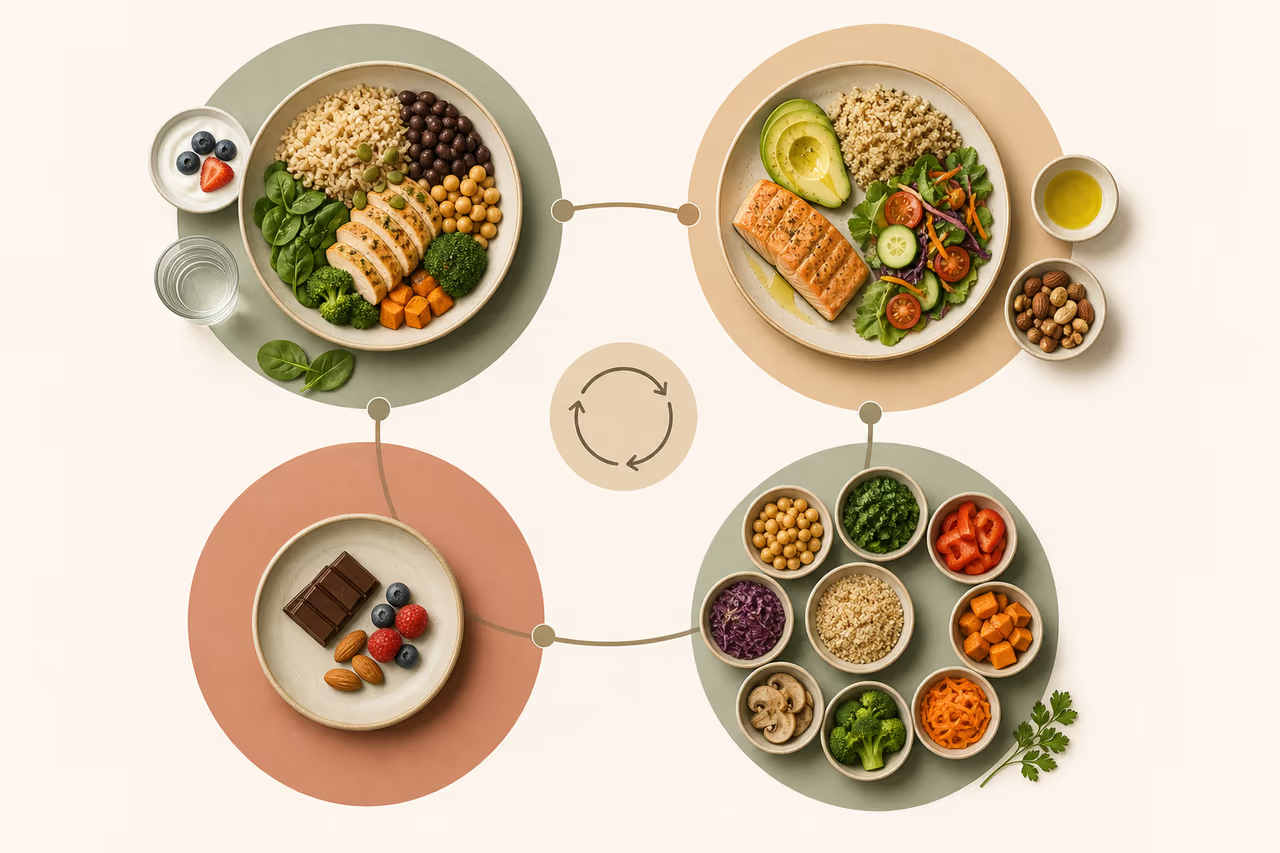
Healthy diets vary by culture and available foods; the shared foundation is adequacy, balance, moderation and diversity rather than one rigid menu. Instead of locking yourself into exact recipes for seven days, focus on assembling flexible components that can mix and match.
Adequacy means ensuring you get enough energy and nutrients to sustain your daily movement and responsibilities. Balance involves combining different food groups to keep meals satisfying. Moderation allows for enjoyment without strict dietary prohibitions. Diversity brings variety through different cultural preferences, flavors, and seasonal ingredients.
| Element | Focus | Practical Application |
|---|---|---|
| Adequacy | Sufficient energy and nutrients | Stocking reliable staples that fuel your schedule |
| Balance | Combining food groups | Pairing grains, proteins, and vegetables easily |
| Moderation | Flexible enjoyment | Avoiding extreme restrictions or guilt |
| Diversity | Cultural and ingredient variety | Rotating flavors to prevent food fatigue |
Practical Steps to Build Your Week Without Overwhelm
When a rigid meal plan falls apart, strip down to the basics: choose one simple, nourishing staple you enjoy and build outward without guilt. You do not need to spend hours cooking to eat well during a demanding week.
- Identify reliable staples: Choose three simple, easy-to-assemble meals that match your cultural preferences and cooking comfort level.
- Split your preparation: Dedicate two short windows during the week for light prep, such as washing produce or cooking a batch of grains, rather than an entire weekend.
- Rely on pantry items: Keep versatile items like canned beans, lentils, whole grains, and frozen vegetables on hand to bridge unexpected gaps in your schedule.
- Reflect without judgment: Review what worked at the end of the week. Adjust your expectations for the next cycle based on your actual energy levels.
Your Flexible Busy-Week Meal Framework
This decision guide helps you structure your food habits without getting caught up in rigid rules or diet culture.
- Requirements: Access to basic kitchen tools, a few favorite pantry items, and realistic expectations about your time.
- Realistic Time Range: 15 to 30 minutes for light preparation twice a week.
- Ways to Scale: If your week is exceptionally demanding, rely on simple assembly meals like grain bowls, toast with protein, or pre-cooked ingredients.
- Stop Rule: Pause and simplify further if meal preparation causes anxiety or feels like a burdensome chore.
- When Static Guidance Is Not Enough: If you experience specific health conditions, persistent digestive discomfort, or require specialized dietary management, static guides are insufficient. Find guidance that fits your practice or consult a qualified clinical professional.
When General Advice Is Not Enough
Useful self-care can support health and well-being but does not replace an appropriate health system or professional care. General educational frameworks, including wellness articles and basic meal guides, provide helpful structure for everyday living. However, they cannot account for unique metabolic needs, clinical diagnoses, or individualized nutritional therapy.
Recognizing the boundary between general lifestyle habits and clinical care ensures you get the right support when your needs go beyond everyday self-care. Examine everyday food habits and consider how qualified professionals can support your broader well-being journey.
Keep learning
Ready for the next step? When General Nutrition Advice Is Not Enough.
Sources
Watch alongside this guide
Building a balanced plate
This plate example offers a visual companion to the article's flexible, non-prescriptive food guidance. Source: Harvard T.H. Chan School of Public Health. This optional video is context, not evidence or personal instruction.
The YouTube player stays unloaded until you choose to watch. Loading it connects to YouTube and may allow that service to process usage data.