How to Make Breakfast More Satisfying: Flexible Ideas for Your Day
Make breakfast a truly satisfying meal that fuels your day without rigid rules or feeling heavy.
https://primetempr.com/blog/how-to-make-breakfast-more-satisfying-flexible-ideas-for-you
Breakfast often leaves people hungry an hour later, or feeling sluggish rather than energized. Many find their morning meal doesn't provide a nourishing start, leading to energy dips. Making breakfast more satisfying doesn't require rigid diets or complicated recipes. It means understanding a few key principles and finding flexible options that fit your life.
This guide offers practical ways to build a truly satisfying breakfast, providing sustained energy and enjoyment without feeling heavy. It covers essential food groups, quick ideas for busy mornings, and how to adapt meals to your unique preferences and daily rhythm.
What Makes a Breakfast Truly Satisfying?
A truly satisfying breakfast does more than just fill your stomach. It provides sustained energy, helps you feel content, and supports your focus throughout the morning. It's about the quality and balance of calories, not just the quantity.
Feeling satisfied often means avoiding that mid-morning slump or the urge to snack excessively before lunch. While what constitutes a healthy diet can vary significantly across cultures and available foods, the foundational principles often include adequacy, balance, moderation, and diversity rather than a single, rigid menu (WHO). This means there's no "perfect" breakfast, but rather a range of options that can work for you.
The Building Blocks of a Satisfying Breakfast
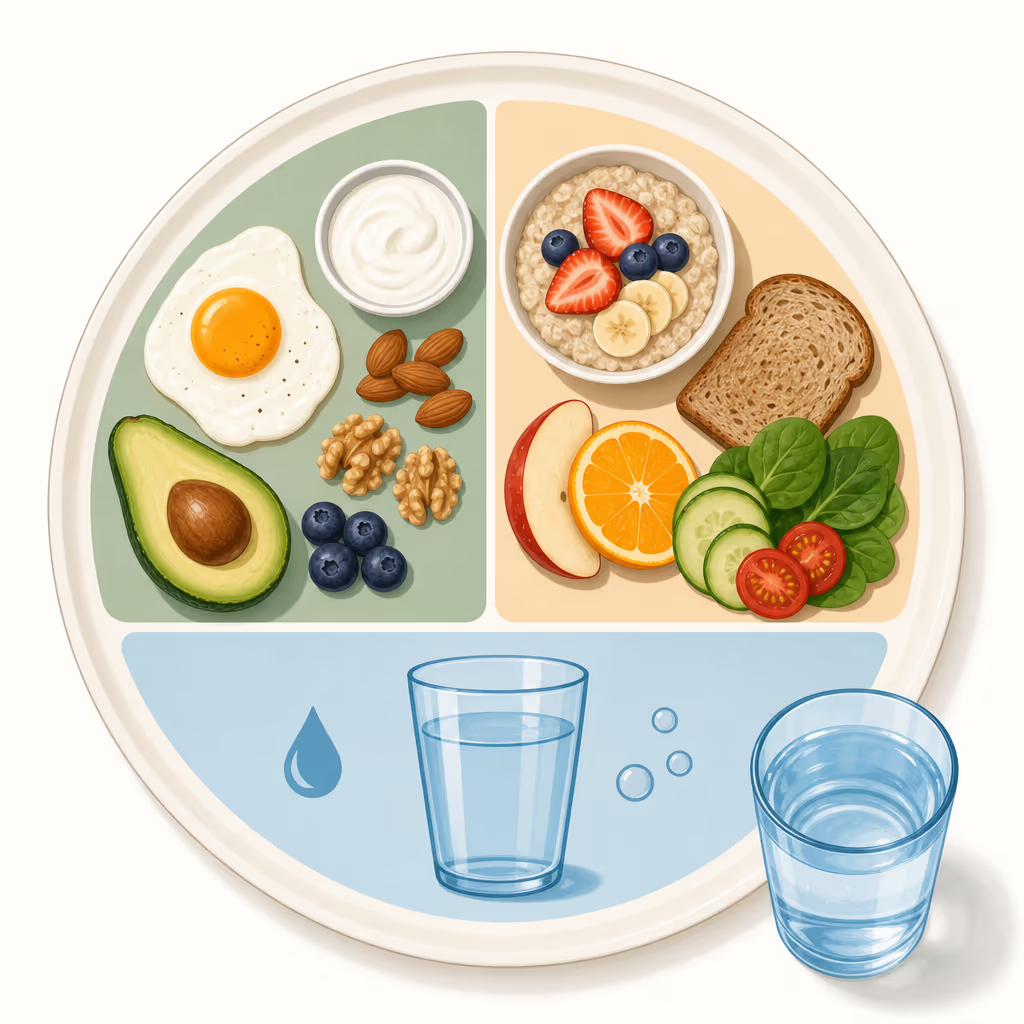
To build a breakfast that keeps you feeling full and energized, focus on incorporating a balance of three key components: protein, fiber-rich carbohydrates, and healthy fats.
Protein for Satiety and Muscle Support
Protein is crucial for feeling full and satisfied because it takes longer to digest than carbohydrates. It also supports muscle health and repair, important for daily movement.
- Examples: Eggs, Greek yogurt, cottage cheese, tofu, tempeh, beans, lentils, nuts, seeds, lean meats, or a scoop of protein powder in a smoothie.
Fiber-Rich Carbohydrates for Sustained Energy
Carbohydrates are your body's primary energy source. Fiber-rich carbohydrates, especially whole grains, fruits, and vegetables, regulate blood sugar levels, which prevents sharp spikes and crashes. Fiber also contributes to digestive health and fullness.
- Examples: Whole-grain oats, whole-wheat bread, berries, apples, bananas, spinach, kale, sweet potatoes, quinoa.
Healthy Fats for Flavor and Fullness
Healthy fats add flavor and contribute to satiety. They also support nutrient absorption and overall bodily functions.
- Examples: Avocado, nuts, seeds (chia, flax, hemp), olive oil, nut butters.
Practical Strategies for Busy Mornings
Time is often a major constraint for breakfast. These strategies make satisfying breakfasts achievable even on your busiest days:
- Overnight Oats or Chia Pudding: Prepare these the night before. Combine oats or chia seeds with milk (dairy or non-dairy), a scoop of protein powder, fruit, and nuts. Store in the fridge for a grab-and-go meal.
- Batch Cook Protein: Hard-boil a dozen eggs at the start of the week, or cook a larger batch of beans or lentils. These can be quickly added to toast, salads, or bowls.
- Smoothie Prep Packs: Portion out frozen fruit, spinach, and protein powder into individual bags. In the morning, just add liquid and blend.
- Quick Combinations:
- Whole-grain toast with avocado and a fried egg.
- Greek yogurt with berries, a sprinkle of nuts, and a drizzle of honey.
- Leftover dinner (e.g., a small portion of lentil soup or stir-fry) can be a perfectly satisfying and balanced breakfast.
- Focus on One Added Element: If you usually have a very simple breakfast, try adding just one extra satisfying component. For example, add a handful of almonds to your fruit, or a hard-boiled egg to your toast.
Adapting Breakfast to Your Life and Culture
A truly satisfying breakfast is one that you enjoy and that fits into your lifestyle, cultural background, and available ingredients. There's no universal "best" breakfast.
- Cultural Preferences: Embrace foods that are traditional and comforting to you. This might mean a savory breakfast of dal and roti, congee with vegetables and protein, or a hearty European-style breakfast with cheese and whole-grain bread. The principles of balance (protein, fiber, healthy fats) can be applied across many cuisines.
- Available Ingredients: Work with what you have access to. If fresh fruit is expensive, use frozen. If eggs are not an option, explore plant-based proteins like beans or tofu.
- Dietary Needs: If you have specific dietary restrictions or preferences (e.g., vegetarian, vegan, gluten-free), there are countless ways to build a satisfying breakfast. For instance, a vegan breakfast could include tofu scramble with spinach and whole-wheat toast, or a smoothie with plant-based protein powder, fruit, and nut butter.
- Listen to Your Body: Your hunger levels and what feels satisfying can change daily based on your activity, sleep, and stress. Adjust portion sizes and food choices accordingly.
My Flexible Satisfying Breakfast Checklist
Use this checklist to build a more satisfying breakfast that fits your needs. You don't need to check every box every day; focus on what feels manageable and nourishing for you.
- Include a source of protein (e.g., eggs, yogurt, beans, nuts, tofu).
- Add fiber-rich carbohydrates (e.g., whole grains, fruits, vegetables).
- Incorporate healthy fats (e.g., avocado, nuts, seeds, olive oil).
- Consider cultural preferences and what's locally available.
- Adjust portion sizes to your hunger and activity level.
- Plan one small, achievable change for tomorrow's breakfast.
Beyond the Plate: How Breakfast Fits into Overall Well-being
Making breakfast more satisfying is a form of self-care that benefits your entire day. A well-balanced morning meal provides the energy you need for daily movement, whether a yoga practice, a walk, or simply navigating your day with more ease.
At Prime Tempr, we connect general food and wellbeing education with qualified teachers and practice formats. This helps integrate nourishing habits into your daily life and movement practices. Remember that useful self-care supports overall health and well-being but does not replace professional medical or individualized dietary advice for specific health conditions (WHO). If you have concerns about your diet or health, consult a qualified healthcare professional.
For more on integrating food with your practice, explore our articles on Everyday Food Habits or Eating Before Gentle Yoga: Food Choices for Comfort and Energy.
Making It Your Own: Small Steps for Big Impact
Overhauling your entire breakfast routine at once feels overwhelming and unsustainable. Instead, focus on one small, manageable change, such as adding a handful of nuts to your cereal or swapping white toast for whole-grain.
Reflect on what didn't feel satisfying about your previous breakfasts. Was it hunger? Lack of flavor? Not enough time? Use these insights to guide your next small adjustment. Progress isn't about achieving a "perfect" breakfast every day, but about building sustainable habits that genuinely support your energy and well-being. If a change doesn't work, that's okay. Reflect, adjust, and try a different small step.
Conclusion: Start Your Day with Intention
A satisfying breakfast is a flexible, balanced meal that respects your body's needs, your cultural background, and your daily schedule. By focusing on a mix of protein, fiber-rich carbohydrates, and healthy fats, you can create a morning meal that provides sustained energy and leaves you feeling content.
Use the "My Flexible Satisfying Breakfast Checklist" as a starting point to experiment with small, practical changes. Remember, the goal is not perfection, but consistent, gentle progress towards a more nourishing and enjoyable start to your day.
Sources
- World Health Organization. "Healthy diet." Accessed [Current Date]. https://www.who.int/news-room/fact-sheets/detail/healthy-diet (opens in a new tab)
- World Health Organization. "Self-care for health and well-being." Accessed [Current Date]. https://www.who.int/news-room/fact-sheets/detail/self-care-health-interventions (opens in a new tab)
Watch alongside this guide
Building a balanced plate
This plate example offers a visual companion to the article's flexible, non-prescriptive food guidance. Source: Harvard T.H. Chan School of Public Health. This optional video is context, not evidence or personal instruction.
The YouTube player stays unloaded until you choose to watch. Loading it connects to YouTube and may allow that service to process usage data.