How to Hydrate After Movement Without the Guesswork
Discover how to replenish fluids effectively after exercise using personal body awareness instead of rigid formulas or strict rules.
https://primetempr.com/blog/how-to-hydrate-after-movement-without-the-guesswork
Effective post-exercise hydration is rarely about hitting a specific numerical target or consuming expensive supplements. Instead, it is a process of moderate, consistent replenishment that respects your body’s unique signals. Whether you have just finished a high-intensity session or a gentle restorative yoga flow, your hydration needs are dictated by a combination of your individual sweat rate, the intensity of your movement, and the environmental conditions of your practice space.
Our platform helps you find restorative yoga, meditation, and trainer-led support while keeping educational content separate from medical care or personalized diagnosis. Rather than viewing hydration as a rigid performance metric, we encourage you to frame it as one component of a broader, sustainable recovery routine.
The basics of post-exercise hydration
The most common mistake in post-exercise hydration is the attempt to follow a universal formula. You may have heard advice suggesting you drink a specific number of ounces or glasses of water immediately after moving. However, hydration needs after exercise vary based on individual sweat rates, intensity, and environmental conditions.
A person practicing hot yoga in a humid room will naturally have different fluid requirements than someone practicing gentle stretching in a climate-controlled studio. Because these variables change daily, relying on fixed prescriptions often leads to frustration or unnecessary stress. Instead, focus on the principle of replenishment: aim to replace what you have lost through steady, comfortable intake rather than forced consumption.
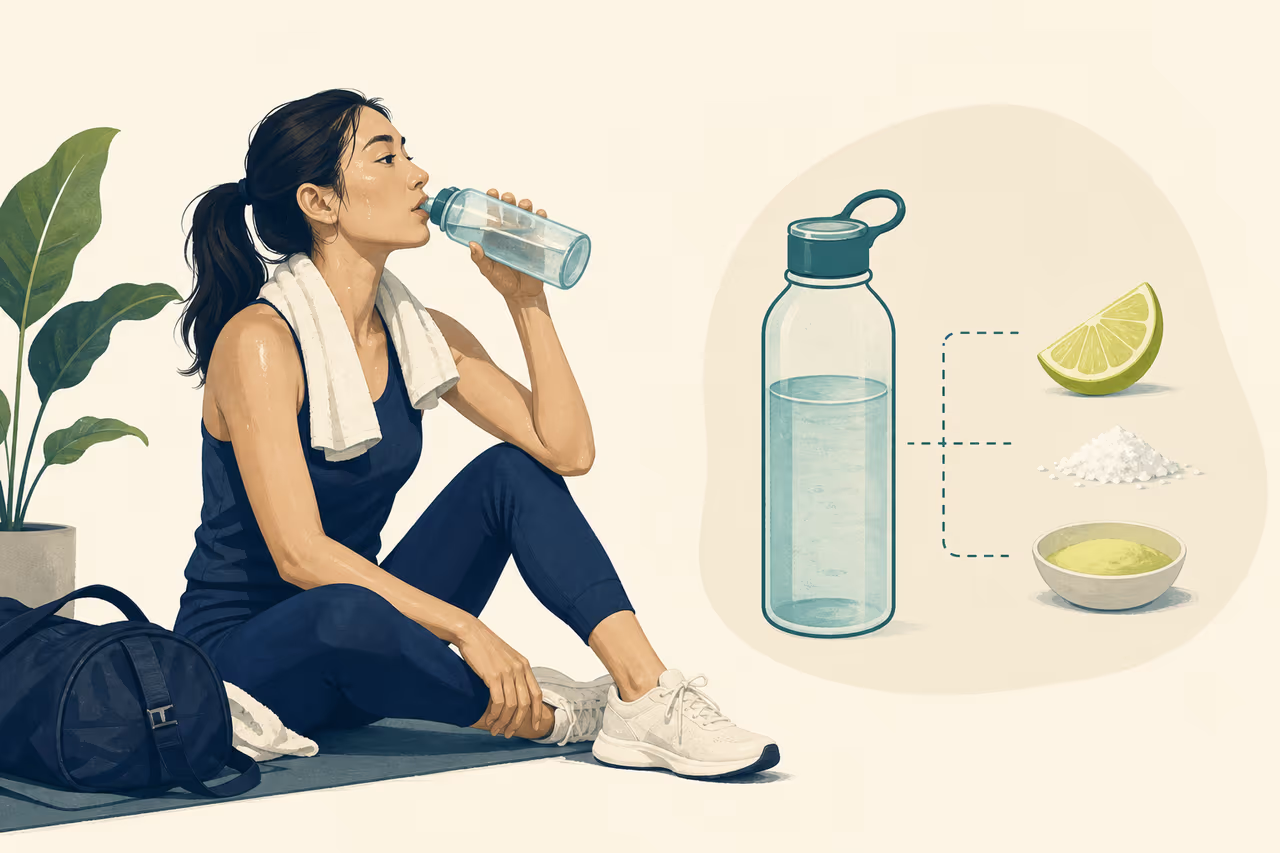
Listening to your body's signals
Rather than tracking every milliliter, you can use internal cues to monitor your hydration status. These indicators are practical, accessible, and require no special equipment.
- Thirst: This is your body’s primary, built-in mechanism for signaling fluid needs. If you feel thirsty after a session, drink water. If you do not feel thirsty, you likely do not need to force yourself to consume large quantities of fluid.
- Urine color: This is a simple, reliable indicator of your hydration status. Pale yellow or straw-colored urine generally suggests that you are adequately hydrated, while darker shades may indicate that your body needs more fluid.
- Energy and focus: Pay attention to how you feel after drinking a glass of water. If you feel a sense of replenishment and your energy levels stabilize, you are on the right track.
These cues are not perfect, but they are far more responsive to your daily reality than a generic chart or a complex math equation.
Hydration as part of your recovery routine
Hydration is a vital piece of the recovery puzzle, but it is not a standalone solution. It cannot replace the fundamental pillars of health, such as adequate sleep or scheduled rest days. If you find yourself feeling consistently fatigued, dehydrated, or off after your movement sessions, it is worth looking at the bigger picture.
For instance, if you are struggling with recovery, consider whether your sleep schedule is supporting your body’s needs. Consistent sleep schedules, a quiet and dark environment, and calm pre-bed routines are essential for physical and mental restoration. If you are interested in deepening your understanding of how to balance effort with rest, you might Explore restorative guidance or learn more about What Is Active Recovery? A Practical Guide.
Remember that hydration is just one tool. If you are pushing yourself to the point of exhaustion, no amount of water will replace the need for a rest day. Learn to recognize the signs that your body needs a break by reading Beyond Intensity: How to Tell When Your Body Needs a Rest Day.
Your Post-Movement Hydration Check-in
Use this simple reflection guide to tune into your body after your next session. This is not a test, but a way to build better awareness of your own needs.
- Observe your thirst levels: Take a moment 30 minutes after your practice to notice if you feel thirsty.
- Check your indicators: Use the color of your urine as a simple, non-judgmental check of your hydration status.
- Assess your energy: Note how your energy levels feel after drinking a glass of water post-session. Does it help you feel refreshed?
- Evaluate the source of fatigue: Identify if your fatigue is thirst-related or if it is a signal that your body requires a rest day rather than more fluid.
When to seek professional support
While most people can manage their hydration through simple observation, there are times when professional guidance is necessary. Persistent symptoms, such as chronic fatigue, excessive thirst, or recurring dizziness, should not be managed through self-guided adjustments alone.
If you find that you are struggling with these issues despite consistent hydration and rest, please consult a medical professional. Persistent symptoms or concerns regarding hydration and health should always be addressed by a healthcare provider, as they can rule out underlying issues that movement and water intake cannot resolve. Relaxation techniques, such as breathing or guided imagery, are excellent for recovery, but they should not replace conventional medical care when you are experiencing persistent health concerns.
Sources
Watch alongside this guide
Stress management
Use this concise Mayo Clinic explainer alongside the article's practical steps for stress, sleep, and recovery. Source: Mayo Clinic. This optional video is context, not evidence or personal instruction.
The YouTube player stays unloaded until you choose to watch. Loading it connects to YouTube and may allow that service to process usage data.