How to Evaluate an Ayurvedic Product Claim
Examine Ayurvedic product claims safely by reviewing clinical evidence, safety boundaries, and traditional cultural context.
https://primetempr.com/blog/how-to-evaluate-an-ayurvedic-product-claim
Evaluating an Ayurvedic product claim requires distinguishing between traditional conceptual frameworks, limited clinical evidence, and essential safety boundaries like potential heavy metal content. Consumers frequently encounter Ayurvedic marketing and traditional terminology online or in stores without clear guidance on how to assess their safety or evidence base. Approaching these products with a structured framework helps protect your health while respecting the history of the practice.
Understanding Ayurveda as a Traditional System
Ayurveda is a traditional Indian medical system with a history spanning thousands of years. It offers broad frameworks for understanding human constitution, diet, daily routines, and herbal preparations. However, traditional systems do not always share the same validation methods as modern clinical science.
When you encounter an Ayurvedic concept, it helps to separate its historical and philosophical context from modern health claims. Traditional explanations of wellness often use metaphors and elements that describe subjective states rather than objective biochemical measurements. Recognizing this distinction prevents the common mistake of treating traditional wellness concepts as clinical diagnoses or medical cures.
Evaluating Evidence and Product Claims
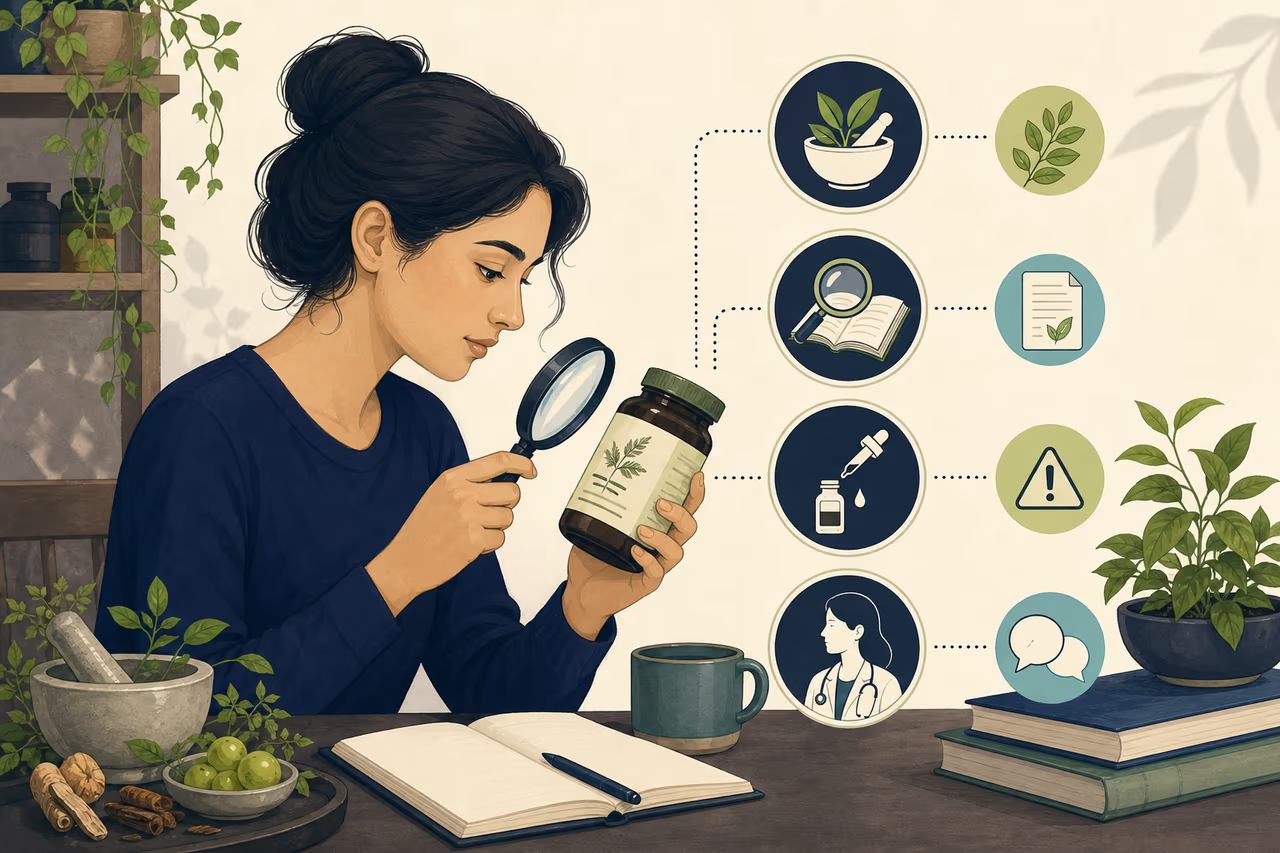
To evaluate any product claim, look for transparent scientific backing rather than relying on the assumption that natural ingredients are automatically safe or effective. Ayurveda is a traditional Indian medical system; evidence for many health uses is limited, some preparations may contain harmful metals, and care should be coordinated with a health professional.
Many herbal formulations used in Ayurveda have deep roots in traditional practice, but formal clinical trials confirming specific health outcomes for modern consumers may not exist. If a brand claims a product cures a specific ailment or guarantees dramatic healing results, treat that claim with high skepticism. True educational resources will acknowledge the limits of modern research on specific herbal uses instead of overstating benefits.
Safety Boundaries and Preparation Risks
Safety is a critical factor when assessing botanical and mineral preparations. Ayurveda is a traditional Indian medical system; evidence for many health uses is limited, some preparations may contain harmful metals, and care should be coordinated with a health professional.
Certain traditional mineral-herbal mixtures, sometimes referred to as rasashastra, may contain intentional additions of heavy metals such as lead, mercury, or arsenic. Even when manufactured according to traditional texts, these substances pose real toxicity risks if purity and third-party testing data are absent. Always check whether a supplier provides rigorous independent laboratory testing for contaminants before considering any ingestion-based preparation.
Separating Self-care from Medical Care
Exploring wellness products is a form of personal self-care, but it must never cross into the realm of untreated medical management. Self-care information should support informed choices and should not be used to delay appropriate professional care.
One major failure mode is relying on herbal supplements or lifestyle routines to manage acute, chronic, or undiagnosed symptoms while avoiding a doctor visit. If you experience persistent health issues, professional medical diagnosis must come first. Traditional self-care tools should complement, not substitute for, evidence-based medical treatment.
Ayurvedic Product Claim Evaluation Checklist
Use this structured decision guide to review any product claim, supplement, or traditional remedy before introducing it into your routine.
- Identify the claim type: Determine whether the statement refers to general well-being and daily routine support or if it promises a specific medical treatment or disease cure.
- Check sourcing and testing: Look for transparent labeling, manufacturer accountability, and independent laboratory testing certificates verifying the absence of harmful contaminants like heavy metals.
- Screen for medical delays: Ensure that using the product does not replace or delay necessary consultations with a qualified physician for active health concerns.
- Coordinate with a professional: Discuss any new herbal or mineral preparation with your doctor or pharmacist, particularly if you take prescription medications that could interact with botanicals.
- Explore cultural context safely: Seek out reputable educational resources and qualified guides rather than relying solely on marketing copy to understand traditional practices. For deeper learning, you can explore What Is Ayurveda? Origins, Context, and Safety Boundaries and read through the Ayurveda Foundations library.
Finding Trusted Guidance and Next Steps
Navigating traditional health systems becomes much simpler when you have access to knowledgeable instruction rather than commercial sales pitches. Prime Tempr helps readers discover teachers who can explain traditional context while the learning library keeps cultural education separate from diagnosis, treatment and product claims.
If you want to discuss traditional philosophy, movement practices, or breathwork safely, you can Find a teacher and ask better questions to guide your exploration. By keeping safety boundaries clear, verifying product contents, and respecting the limits of current evidence, you can engage with Ayurveda in a grounded, sustainable way.
Sources
- Ayurvedic Medicine: In Depth (opens in a new tab), National Center for Complementary and Integrative Health (NCCIH).
- Self-care for health and well-being (opens in a new tab), World Health Organization (WHO).
Watch alongside this guide
Herbs at a glance: how to check safety
This official safety resource supports the article's boundary between traditional context and medical or product claims. Source: National Center for Complementary and Integrative Health. This optional video is context, not evidence or personal instruction.
The YouTube player stays unloaded until you choose to watch. Loading it connects to YouTube and may allow that service to process usage data.