How to Combine Yoga and Strength Training Effectively
Balance yoga and strength training by managing weekly load to protect recovery, prevent overtraining, and support consistent physical progress every single week.
https://primetempr.com/blog/how-to-combine-yoga-and-strength-training-effectively
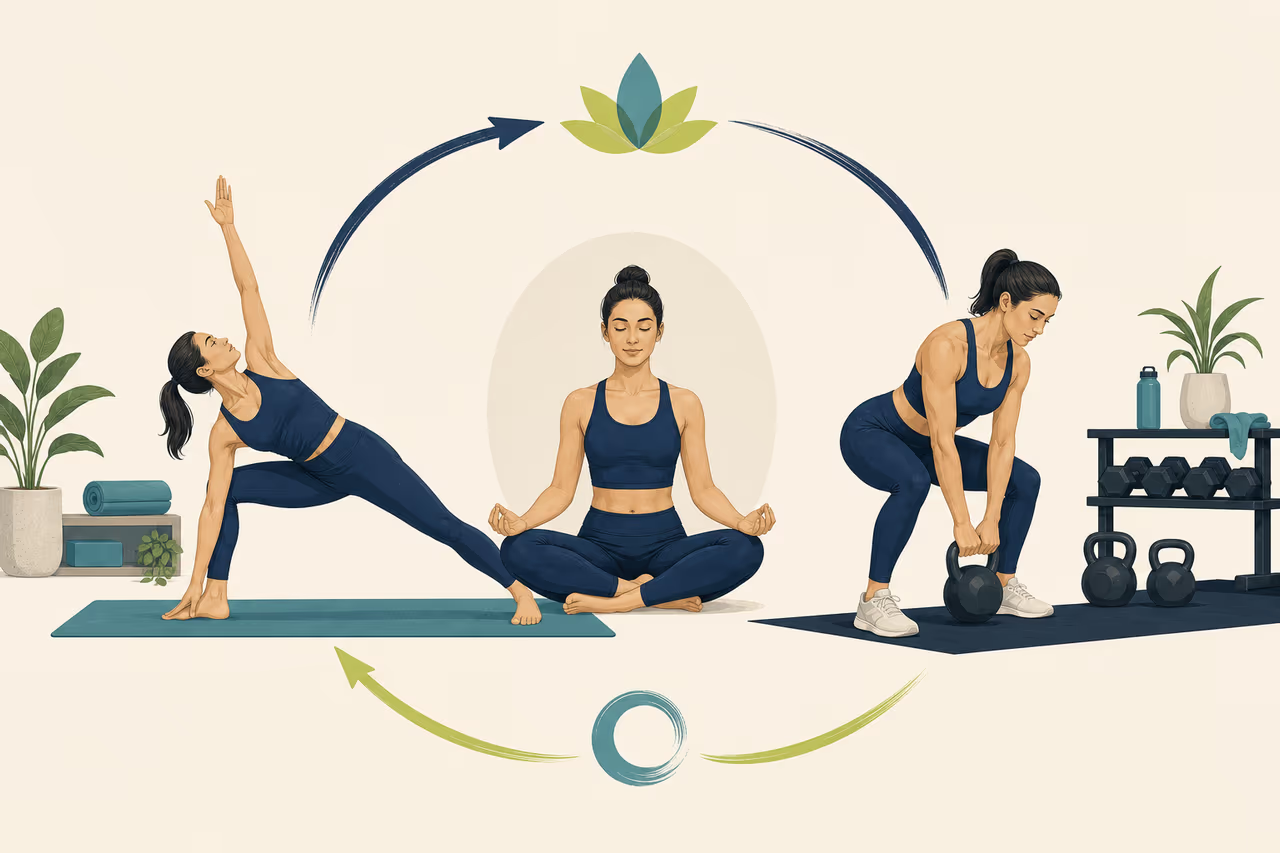
Combining yoga and strength training is not about finding a rigid split; it is about managing your total weekly load to ensure both recovery and consistent progress. Many people assume they must choose between the two, but these practices are complementary. Strength training builds the muscle mass and bone density necessary for longevity, while yoga enhances mobility, body awareness, and breath control.
The primary challenge is not the practices themselves, but the risk of overtraining when you attempt to push both to their limits simultaneously. Once you understand how to balance intensity and prioritize recovery, you can build a sustainable routine that supports your long-term movement goals.
The Case for Combining Movement
Any amount of physical activity is better than none, and muscle-strengthening benefits everyone. Integrating both yoga and strength training allows you to address different physical needs within a single week.
While strength training focuses on progressive overload,gradually increasing the weight or resistance you lift,yoga often emphasizes functional range of motion and stability. When combined, these practices can help you move more efficiently in your daily life. The World Health Organization and other health authorities emphasize that adults should work toward 150 to 300 weekly minutes of moderate aerobic activity and muscle strengthening on at least two days. Yoga can contribute to your overall movement goals, but it is most effective when viewed as a distinct practice rather than just a "stretch" session before or after lifting.
Managing Your Weekly Load
To combine these practices effectively, you must move away from the idea of "more is better." If you attempt high-intensity strength training and advanced, power-based yoga daily, you will likely hit a wall.
Can I do yoga and strength training on the same day?
Yes, you can, but the order and intensity matter. If your primary goal for the day is a strength session, consider performing your yoga practice afterward as a cool-down, or scheduling a shorter, restorative yoga session. If you perform a high-intensity yoga class first, you may find your muscles are too fatigued to maintain proper form during heavy lifting, which increases the risk of injury.
Balancing Intensity
The key is to vary your intensity across the week. If you have two heavy lifting days, try to schedule your most demanding, power-focused yoga sessions on different days, or opt for gentle, mobility-focused yoga on your lifting days.
Failure Modes to Avoid
- The "Every Day is a PR" Mindset: Treating every yoga session as a workout and every strength session as a personal record attempt will lead to burnout.
- Ignoring Recovery: Recovery is when your body adapts to the stress of exercise. If you feel persistent fatigue, soreness that lasts for several days, or a noticeable decline in your performance, reduce the intensity of your strength sessions or swap a high-intensity yoga class for a restorative session.
- Treating Yoga as Just Stretching: Yoga is a complex movement practice. If you treat it only as a passive stretch, you miss the opportunity to build stability and endurance that supports your strength training.
Your Weekly Movement Check-in
Use this framework to adjust your schedule based on your current energy levels and goals.
- Identify two days for muscle-strengthening activities: These are your priority days for building strength.
- Schedule yoga sessions on days that allow for recovery: If you lift on Monday and Wednesday, consider Tuesday and Thursday for yoga.
- Assess your energy levels: If you are exhausted, choose restorative or yin-style yoga over power or vinyasa yoga.
- Review your progress after four weeks: Reflect on how your body feels. Are you recovering well? Are you seeing the progress you want? If not, it may be time to adjust your volume.
When to Seek Professional Guidance
A general guide can help you get started, but there comes a point where you may need more personalized support. If you find that you are consistently hitting plateaus, struggling with form, or unsure how to structure your training to reach specific goals, it is time to look for a professional.
Prime Tempr helps readers compare trainer approaches and ongoing programmes, making it easier to add qualified progression when a general strength guide is no longer enough. Working with a trainer allows you to receive feedback on your movement patterns, which is difficult to achieve through self-guided practice alone. Whether you are looking to refine your lifting technique or deepen your yoga practice, a qualified professional can help you bridge the gap between where you are and where you want to be.
Sources
Watch alongside this guide
High-intensity functional training explained
This ACE overview shows how functional training is framed so you can compare it with the article's safer progression advice. Source: ACE Fitness. This optional video is context, not evidence or personal instruction.
The YouTube player stays unloaded until you choose to watch. Loading it connects to YouTube and may allow that service to process usage data.