How to Choose Comfortable Clothes for Yoga
Choose comfortable, breathable clothing for yoga that supports safe movement across different styles and studio settings without expensive gear.
https://primetempr.com/blog/how-to-choose-comfortable-clothes-for-yoga
Choosing comfortable clothes for yoga does not require expensive brand-name gear or a specific body shape. Activity can take many forms and settings, so clothing and equipment should support safe, comfortable participation rather than create a barrier to beginning. When you prepare for a class or home practice, your primary goal is finding garments that stay out of your way during movement, breathing exercises, and resting postures.
Yoga styles and physical demands vary; appropriate modification and qualified instruction can reduce avoidable risk. Matching your garments to the specific style of practice and the room temperature helps you remain comfortable from the first warm-up to final relaxation.
What to Look for in Yoga Clothing
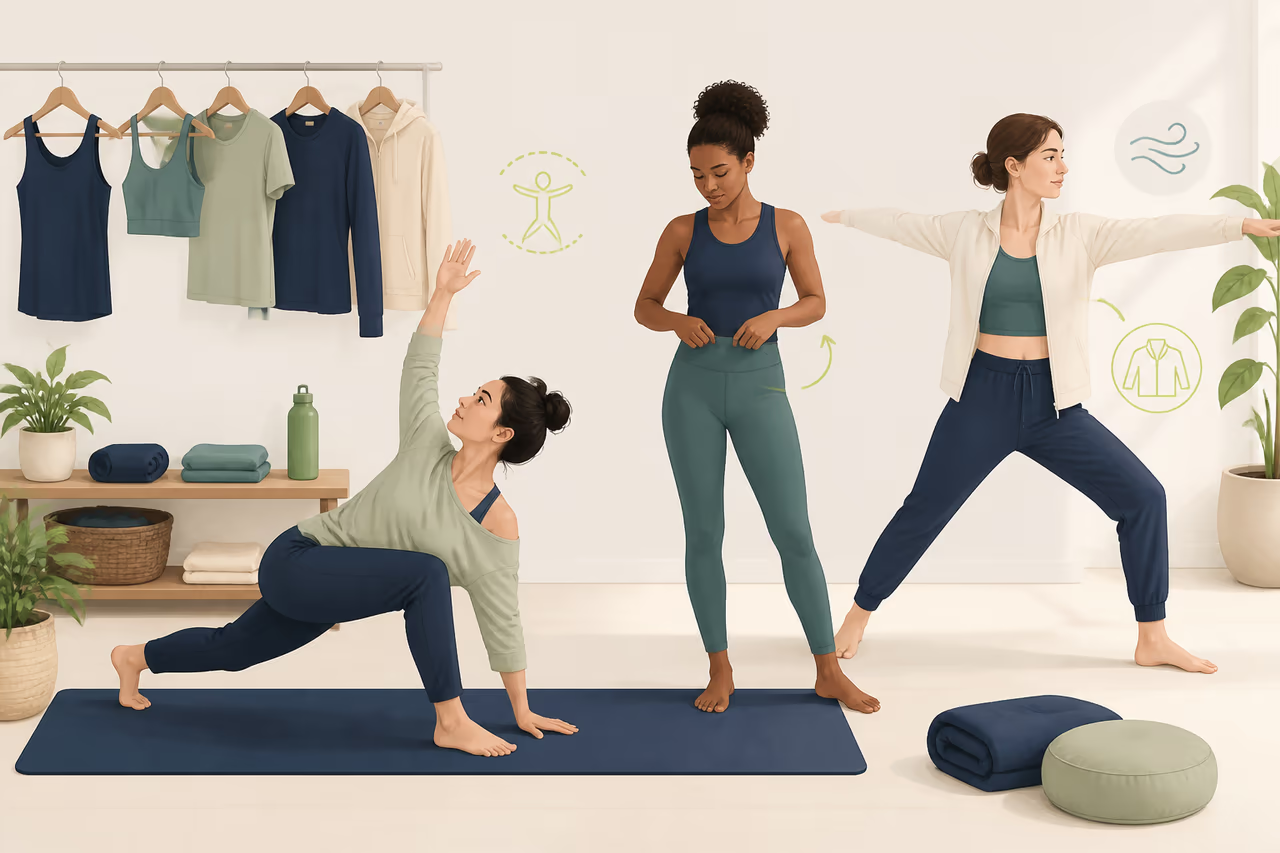
The key features of functional yoga clothing are stretch, breathability, and secure fit. You do not need specialized athletic wear to start, but certain material choices make bending, stretching, and transitioning between floor poses much easier.
Look for fabrics that move with your body rather than binding your joints. Cotton blends, bamboo, and lightweight technical synthetics offer the flexibility needed for unhindered movement. Heavy fabrics or stiff waistbands can dig into your skin during abdominal work or seated meditation.
A common failure mode is wearing overly loose garments that slip over your face during inversions or downward-facing dog, or wearing rigid trousers that restrict hip mobility. Conversely, extremely compressive garments can sometimes feel restrictive during deep breathing exercises where expansion of the ribs and abdomen is necessary.
Form-fitting clothes make alignment visible to instructors, which helps them provide targeted feedback on posture and safety. However, form-fitting attire may not align with everyone's personal modesty preferences. The solution is finding a middle ground, such as fitted base layers paired with a looser outer layer during cooler arrival moments, or stretchy garments that offer coverage without excess fabric.
Matching Clothes to Class Styles and Climates
Different yoga styles place unique demands on your body and your wardrobe. A gentle, restorative class held in a quiet room requires very different thermal management than a vigorous vinyasa session or a heated room.
| Class Style | Physical Demand | Recommended Clothing Strategy |
|---|---|---|
| Restorative or Yin | Low movement, long holds | Soft, warm layers, socks, and comfortable sweaters since body temperature drops during stillness. |
| Vinyasa or Hatha | Moderate to high movement, transitions | Breathable, moisture-wicking fabrics that stay secure during standing balances and inversions. |
| Hot Yoga | High heat, heavy perspiration | Minimalist, lightweight, sweat-absorbing materials that prevent slipping. |
When practicing in cooler climates or drafty studios, layering is essential. You might wear a lightweight t-shirt and leggings for the active portion of the class, keeping a long-sleeve sweatshirt nearby for the initial centering and final relaxation phases when the body cools down.
Check with Your Studio Before You Buy
Before purchasing new specialized items, verify what the studio environment actually requires. Prime Tempr helps readers compare class formats and contact teachers or studios about what is provided, what to bring and which options suit the actual setting.
Reaching out to a studio administrator or instructor beforehand clears up uncertainties regarding room temperature, mat rentals, prop availability, and dress expectations. Many studios provide blocks, straps, and mats, while others require you to bring your own essentials. Asking these questions saves money and ensures you arrive properly prepared.
If you are ready to explore your local options, you can Find a yoga teacher or Explore beginner-friendly practice options to see what different studios offer in your area. For further reading on gear considerations, visit our guide on Practice Clothing & Props.
Yoga Outfit and Preparation Checklist
Use this practical checklist to prepare for your upcoming practice session without overcomplicating your wardrobe.
- Check studio temperature and class style before deciding on layers.
- Select breathable, stretch-friendly fabrics that allow unrestricted joint mobility.
- Confirm whether props or specific mats are provided by contacting the studio.
- Explore beginner-friendly practice options in your local area.
When practicing at home, you can scale your outfit simply by choosing comfortable loungewear or athletic wear that permits full range of motion. If discomfort arises during a session, pause, adjust your layers, and modify any posture to suit your current energy level.
Sources
- Yoga: Effectiveness and Safety (opens in a new tab), National Center for Complementary and Integrative Health
- Physical activity (opens in a new tab), World Health Organization
Watch alongside this guide
How to use yoga blocks
See several practical block options before deciding which props, if any, make the article's practice more comfortable. Source: Stephanie Tencer, Iyengar Yoga. This optional video is context, not evidence or personal instruction.
The YouTube player stays unloaded until you choose to watch. Loading it connects to YouTube and may allow that service to process usage data.