How to Choose Clothing for Meditation: Comfort, Layers, and Practical Trade-Offs
Select simple, comfortable layers for meditation to eliminate physical distractions and support steady breathing without buying expensive new gear.
https://primetempr.com/blog/how-to-choose-clothing-for-meditation-comfort-layers-and-pra
Meditation clothing should eliminate physical distractions, such as tight waistbands, cold drafts, or stiff fabrics, so you can sit or lie down comfortably without overcomplicating your wardrobe. Activity can take many forms and settings, so clothing and equipment should support safe, comfortable participation rather than create a barrier to beginning. You do not need specialized garments or an expensive new wardrobe to start a regular practice. Instead, focusing on a few practical physical factors helps you stay relaxed and focused during seated or lying sessions.
What Matters Most in Meditation Clothing
The primary physical factors that matter when choosing meditation clothes are unrestrictive waistbands, soft fabric textures, and adequate room for joint mobility. When you sit on a cushion or a chair, stiff denim or rigid seams can pinch the skin, create pressure points, and pull your attention away from your breath.
Yoga styles and physical demands vary; appropriate modification and qualified instruction can reduce avoidable risk. Similarly, meditation postures place distinct demands on your hips, knees, and abdomen. Soft cotton, jersey knits, or loose linen allow your body to settle naturally into cross-legged postures or chair seating without fighting your garments.
| Feature | What to Look For | What to Avoid |
|---|---|---|
| Waistband | Soft elastic, drawstrings, or high-rise knit | Rigid metal buttons, thick belts, or stiff denim |
| Fabric | Breathable cotton, modal, or flexible blends | Scratchy wool, non-stretchy synthetics, or stiff canvas |
| Fit | Loose through the hips and knees | Tight tailoring that restricts deep abdominal breathing |
Balancing Layers for Stillness and Temperature Changes
Body temperature often drops during prolonged stillness because metabolic rate slows down when physical movement stops. If you begin a meditation session feeling warm in a standard room, you may feel cold twenty minutes later as your body settles.
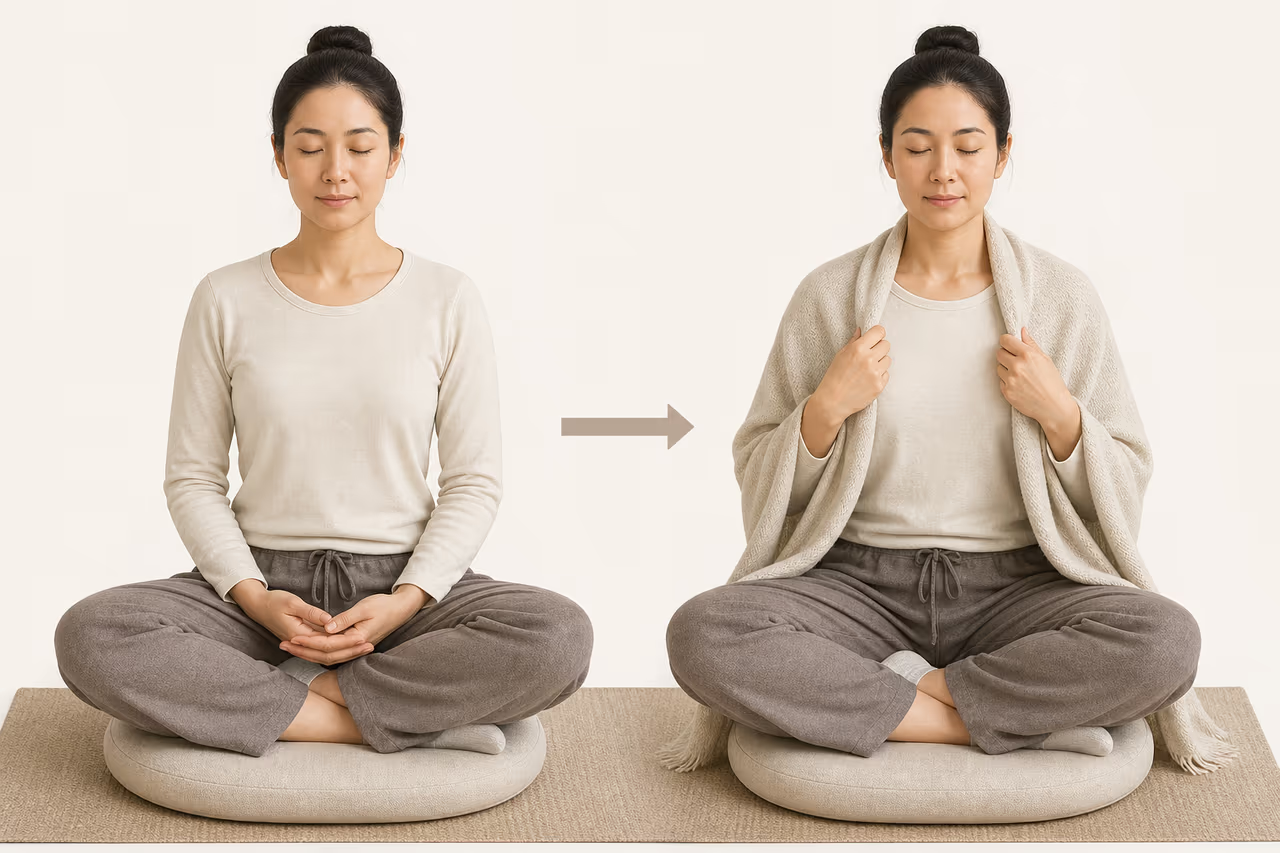
Layering is the most effective way to manage these shifts. Start with a breathable base layer, and keep a light sweater, cardigan, or shawl nearby. Socks can also prevent cold feet from distracting you during floor practice. By building flexibility into your outfit, you can adapt to drafty meditation halls, air-conditioned studios, or quiet living rooms without disrupting your focus.
Checking in With Your Studio or Teacher
Before purchasing new items, it is helpful to understand the physical environment of your practice space. Prime Tempr helps readers compare class formats and contact teachers or studios about what is provided, what to bring, and which options suit the actual setting.
Studio floors may be carpeted, hardwood, or covered with mats. Seating provisions might include meditation cushions, bolsters, folding chairs, or benches. Asking your instructor simple questions about the room temperature and available props ensures your clothing choices match the actual environment.
Common Failure Modes and Recovery Paths
Many beginners make the mistake of buying expensive specialized meditation wear before establishing a regular habit, or they wear restrictive pants that pinch during seated breathing. If your current wardrobe causes physical distractions, your recovery path is straightforward. Start with loose, soft layers you already own rather than purchasing new items, and contact your studio or teacher to ask about room temperature and seating arrangements.
Meditation Clothing Checklist
Use this practical checklist to prepare for your next meditation session without overbuying:
- Flexible Waistband: Choose pants or shorts with a loose or stretchable waistband that will not pinch while seated.
- Soft Fabrics: Select breathable, soft materials that avoid scratching or skin irritation during extended stillness.
- Extra Layers: Keep a sweater, cardigan, or shawl nearby to manage temperature drops during stillness.
- Footwear: Decide between socks or bare feet depending on the floor texture and room warmth.
- Direct Inquiry: Contact your teacher or studio ahead of time to ask about room climate and available seating provisions.
Frequently Asked Questions
Do I need specialized meditation garments?
No. Specialized mindfulness wear can be comforting, but it is entirely optional for an effective practice. Regular loose clothing that allows for easy breathing and comfortable sitting works just as well.
How should I dress differently for floor seating versus chairs?
When sitting cross-legged on the floor, prioritize extra room in the hips and knees so your joints can drop comfortably. When sitting in a chair, ensure your pants do not pinch behind your knees or thighs.
Continue with guidance
Use this article as orientation, then Practice Clothing & Props when you want responsive guidance or a practice format matched to you.
Sources
Watch alongside this guide
How to use yoga blocks
See several practical block options before deciding which props, if any, make the article's practice more comfortable. Source: Stephanie Tencer, Iyengar Yoga. This optional video is context, not evidence or personal instruction.
The YouTube player stays unloaded until you choose to watch. Loading it connects to YouTube and may allow that service to process usage data.