How to Choose a Yoga Style That Actually Fits Your Life
Match your energy levels and physical needs to the right yoga style without falling for marketing hype or confusion.
https://primetempr.com/blog/how-to-choose-a-yoga-style-that-actually-fits-your-life
Navigating dozens of yoga style labels on a studio schedule,such as Vinyasa, Hatha, Yin, Restorative, and Power,is genuinely confusing. Without knowing how these terms translate into physical movement, selecting a class often feels like guessing.
Yoga style labels are historical tendencies and marketing traditions rather than standardized regulatory contracts. Every instructor interprets these names differently, meaning two "Hatha" classes at different studios can feel like entirely different experiences. To find a class that works, your choice should be guided by your current physical needs and energy levels today rather than a search for an ultimate, permanent style.
Why Yoga Style Labels Can Be Misleading
Relying on a yoga style name to guarantee a specific physical experience frequently leads to friction. Yoga combines postures, breathing techniques, and meditation, but because styles vary widely, benefits should be described with uncertainty, and injuries can occur if limits are ignored.
Treating style names as strict rules leads to several common failure modes:
- Choosing an intense style like Power Yoga or Ashtanga purely out of ego, which can lead to unnecessary burnout or strain.
- Treating names as universal standards, assuming every instructor teaches the exact same sequence or pace.
- Avoiding all yoga entirely simply because one beginner class felt too fast or too slow.
Any amount of physical activity is better than none, all activity counts, and people should benefit from limiting sedentary time, but your practice should match your body's reality today rather than an idealized standard.
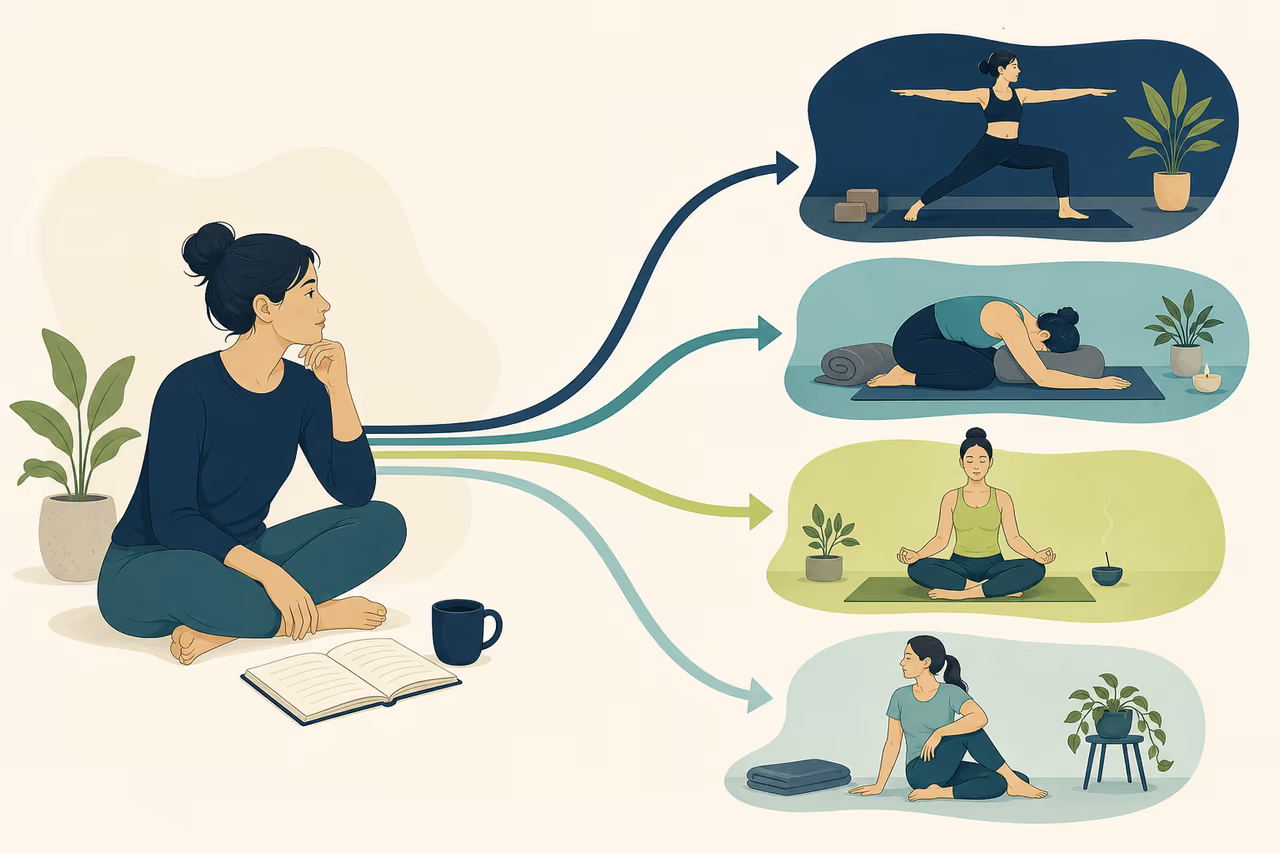
Matching Your Energy and Goals to a Style
Instead of asking which style is "best," ask what your body and mind require right now. The table below outlines how popular styles generally distribute physical pacing and focus:
| Style Name | General Pacing | Primary Focus | Best Suited For |
|---|---|---|---|
| Hatha | Moderate / Steady | Individual postures and alignment | Beginners or those wanting steady movement |
| Vinyasa | Continuous / Flowing | Linking breath with dynamic movement | Those looking for cardiovascular movement and warmth |
| Yin / Restorative | Slow / Static | Long holds, deep connective tissue release | Recovery days, stress relief, and low energy |
| Power / Ashtanga | Vigorous / Athletic | Strength, stamina, and heat building | Experienced practitioners seeking physical challenge |
If a style feels too intense during practice, your recovery path is straightforward: dial back to a slower-paced class, take resting child's pose, or ask the instructor for modifications. If a style feels too passive, explore moderate movement options or check teacher profiles for a more active approach.
Understanding the Trade-Offs: Intensity vs. Recovery
Every choice on a studio schedule involves trade-offs. Broad style labels help narrow down your options, but they cannot replace examining a specific teacher's actual approach or studio environment.
- Gentle and Yin styles offer wonderful opportunities for unwinding and stillness, but they may offer less cardiovascular or strength stimulus if you are seeking a vigorous workout.
- Vigorous and Power styles build heat and endurance, but they carry a higher risk of strain if rushed or if alignment cues are overlooked.
Recognizing these trade-offs protects you from the trap of treating a yoga practice as a competitive sport or a rigid test of endurance.
Why the Teacher Matters More Than the Style Name
The name on the timetable is only half the story. Two teachers offering a class labeled "Vinyasa" might have completely different styles: one might lead a breathless, fitness-heavy workout with loud music, while another might focus on deliberate alignment, breath pacing, and long holds.
Before committing to a monthly membership, look beyond the label. Read individual instructor biographies, check whether studios offer beginner-friendly foundations courses, and consider taking a single introductory drop-in class to test the environment firsthand.
Your Yoga Style Matcher Checklist
Use this quick checklist before booking your next movement session:
- Assess today's energy: Are you seeking active movement, steady alignment, or deep rest?
- Check the physical pacing: Is the class moving continuously in a flow, or holding postures statically?
- Look beyond the label: Read the specific trainer or studio profile rather than relying solely on style names.
- Verify accessibility: Check if props, modifications, or beginner adjustments are standard in the class.
- Take one small step: Book a single introductory class or explore local offerings near you.
To move from research to practice, Find yoga near you, Find a yoga teacher, or Browse yoga programmes to see real schedules and instructor profiles in your area. For a closer look at balancing dynamic and static movement, read Hatha, Vinyasa or Yin? Choose the class that fits today.
Sources
Watch alongside this guide
A beginner Yin yoga practice
This slower practice gives you a concrete style example to compare with the goals and class formats in the guide. Source: Yoga with Kassandra. This optional video is context, not evidence or personal instruction.
The YouTube player stays unloaded until you choose to watch. Loading it connects to YouTube and may allow that service to process usage data.