How to Choose a Beginner Yoga Video Without Getting Overwhelmed
Learn how to choose a beginner yoga video by matching pace and clear instruction to your actual capacity while understanding home practice safety.
https://primetempr.com/blog/how-to-choose-a-beginner-yoga-video-without-getting-overwhel
Choosing an effective beginner yoga video comes down to matching steady pacing and clear instruction to your actual capacity, while acknowledging that yoga styles vary and safety requires respecting your physical limits.
When you search for online movement classes, thousands of options appear instantly. It is easy to feel overwhelmed by unfamiliar terms, varying video lengths, and instructors who move at advanced speeds. This guide breaks down what to look for, how to navigate different styles, and how to practice safely at home.
What to Look for in a Beginner Yoga Video
The primary feature of a genuine beginner video is clear, descriptive instruction rather than silent demonstration. Because online instruction lacks real-time personal feedback, you need a teacher who explains how to enter and exit a shape safely.
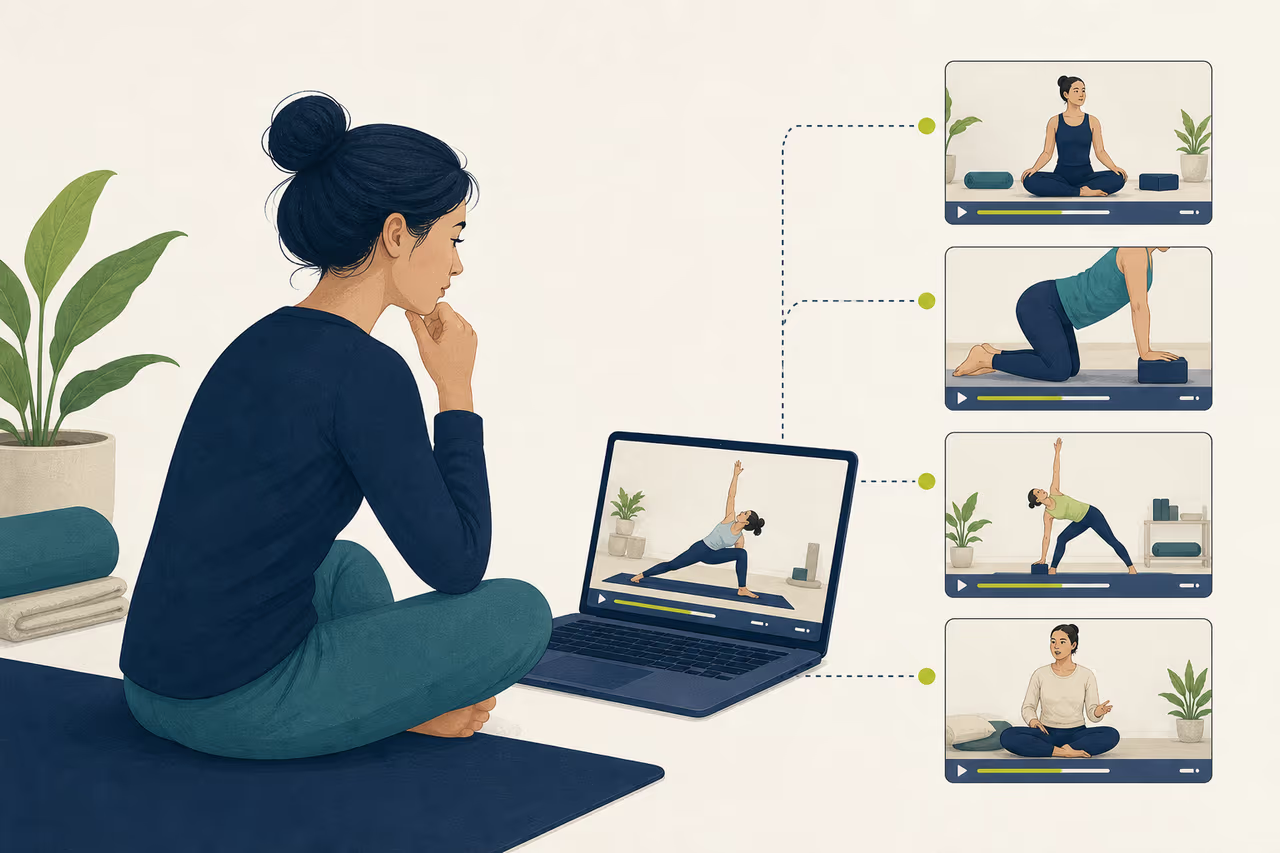
When previewing a session, look for instructors who offer modifications or suggest using props like blocks or a folded blanket. A reliable beginner video should help you understand the foundational mechanics of movement without demanding extreme flexibility or prior experience.
| Feature | Beginner-Friendly | Advanced or Misleading |
|---|---|---|
| Instruction | Detailed verbal cues and anatomical alignment guidance | Minimal instruction, fast transitions, silent following |
| Pacing | Steady holds with ample time to transition between shapes | Rapid flows, continuous movement without rest |
| Modifications | Clear options for varying mobility levels and tight joints | Assumes open hamstrings, deep spinal mobility, and strength |
Understanding Yoga Styles and Your Physical Limits
Yoga combines postures, breathing, and meditation. Because styles vary significantly, benefits should be described with uncertainty rather than guaranteed outcomes. What feels restorative for one person might feel overly demanding or unsuitable for another.
For instance, a fast-paced vinyasa or power yoga video can quickly elevate your heart rate and challenge your muscular endurance, which may frustrate or strain a brand-new practitioner. On the other hand, slower styles like Hatha or gentle restorative yoga focus on foundational alignment and longer breathing pauses.
If you are unsure where your current baseline lies, any amount of physical activity is better than none, all activity counts, and people should limit sedentary time. Starting with a gentle 10- or 15-minute session allows you to test how your joints and nervous system respond before committing to a longer daily routine.
Keeping Practice Safe at Home
A common failure mode is pushing through sharp pain or discomfort just to keep pace with the instructor on screen. However, injuries can occur during yoga practice, especially when home practitioners force their bodies into shapes without live supervision.
Free online videos vary wildly in quality, anatomical safety cues, and beginner appropriateness. To protect your joints and maintain a sustainable movement habit, follow a simple recovery path if you feel strained: pause the video immediately, rest in a comfortable seated or lying position, and choose a shorter or slower-paced session next time.
Reviewing foundational safety guidelines can help you build confidence before you press play. You can read more about starting safely in our guide on How to Start Yoga at Home: A Beginner's Practical Guide.
Beginner Video Selection Checklist
To simplify your search and protect your physical safety, use this checklist before starting any online practice session:
- Check that the title or description explicitly mentions "beginner," "gentle," or "slow pace."
- Verify the instructor provides clear verbal alignment cues rather than just silent demonstration.
- Select a duration that fits your current energy level (e.g., 10 to 20 minutes to start).
- Ensure you have a clear floor space and a stable device setup.
- Commit to pausing or skipping poses that cause sharp pain or joint strain.
Moving From Videos to Personal Guidance
While online videos offer a flexible entry point, they cannot replace the personalized insight of a qualified instructor or the community feel of a local studio. Prime Tempr helps a reader move from general education to guided practice by comparing trainer profiles, local studio listings and trainer-shared practice content in one place.
If you find that pre-recorded videos leave you guessing about your alignment, or if you want accountability tailored to your specific physical history, exploring human-led instruction is a logical next step. You can Find a beginner-friendly trainer or Browse yoga programmes to connect with professionals who can adapt to your unique needs.
Sources
- Yoga: Effectiveness and Safety (opens in a new tab), National Center for Complementary and Integrative Health (NCCIH).
- Physical activity (opens in a new tab), World Health Organization (WHO).
Watch alongside this guide
Yoga for complete beginners
Use this optional beginner session to see pacing, transitions, and rest choices in a complete home practice. Source: Yoga With Adriene. This optional video is context, not evidence or personal instruction.
The YouTube player stays unloaded until you choose to watch. Loading it connects to YouTube and may allow that service to process usage data.