How to Build Variety into Familiar Meals: Flexible Ideas for Daily Life
Learn practical ways to add effortless variety to your favorite dishes without relying on rigid meal plans.
https://primetempr.com/blog/how-to-build-variety-into-familiar-meals-flexible-ideas-for-
Routines easily become monotonous or overly rigid, making it hard to maintain diverse eating habits without starting over from scratch. When daily schedules fill up, cooking the exact same meals week after week feels safe, but it can quickly lead to menu fatigue.
Adding variety to familiar meals does not require a complete kitchen overhaul. Small, low-effort adjustments to staple recipes can support daily energy and diverse eating without diet culture or complicated rules.
Why variety matters in everyday meals
Healthy diets vary by culture and available foods; the shared foundation is adequacy, balance, moderation and diversity rather than one rigid menu. Dietary diversity ensures you encounter a broad range of nutrients and flavors, which keeps everyday eating interesting and adaptable.
Many people believe that eating well requires following strict meal plans or buying unfamiliar specialty ingredients. In practice, healthy eating is built on the foods you already enjoy. By focusing on diversity within your existing repertoire, you can support your wellbeing without turning mealtime into a chore. For more ideas on organizing your kitchen rhythm, explore Simple Meal Planning for Busy Weeks: A Flexible Guide.
Start with what you already cook
You do not need to abandon your favorite recipes to introduce more variety. The easiest way to expand your plate is to look at what you already cook and introduce one small change at a time.
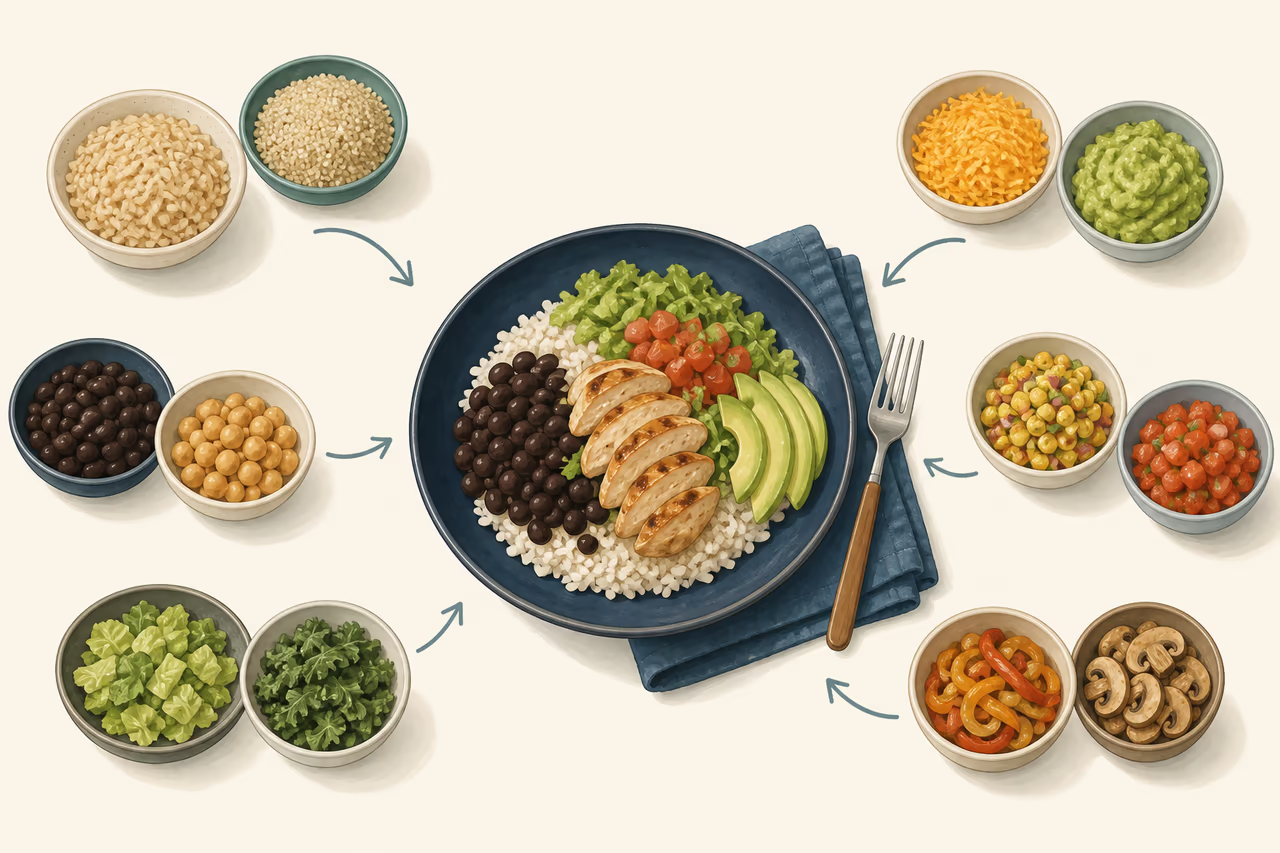
If you make a weekly grain bowl, pasta dish, or stir fry, keep the base the same and rotate a single component. Swap one vegetable for another, try a different herb, or add a handful of seeds. This approach preserves the comfort of familiar food while slowly broadening your nutrient intake. For visual inspiration on constructing a balanced plate, look through A Flexible Balanced Plate for Daily Life.
Practical trade-offs and limits
Flexible food habits lack the rigid structure of a prescribed diet, which means finding what works requires a bit of personal experimentation. Without strict rules telling you exactly what to eat, you have to tune in to your own preferences and energy levels.
General education supports daily choices but cannot address specific clinical conditions or individual medical needs. Useful self-care can support health and well-being but does not replace an appropriate health system or professional care. If you are managing a diagnosed health condition or need tailored dietary treatment, you should work directly with a qualified clinical professional.
Prime Tempr helps readers connect general food and wellbeing education with qualified teachers and practice formats while keeping nutrition education separate from individualized clinical care. If you want to connect your daily habits with guided physical movement or mindfulness practices, you can Find guidance that fits your practice.
One Small Way to Vary a Familiar Meal
Decision Guide: Tweak Your Go-To Recipe
- Choose one staple meal you already cook frequently.
- Identify a single ingredient you can swap or add (such as a different vegetable, herb, or grain).
- Notice how the adjustment feels for your energy and enjoyment.
- Keep the change if it works, or try a different familiar dish next time.
Frequently Asked Questions
Do I need to buy special ingredients to eat a diverse diet?
No. Diversity comes from rotating common foods, such as changing the types of vegetables, proteins, or grains you purchase during your normal grocery trip.
What if I get tired of trying new things?
Scale back. Return to your absolute favorite baseline meals until you feel ready to experiment again. Flexibility means you set the pace.
When should I seek professional nutrition help?
If you have specific medical symptoms, persistent digestive issues, or a diagnosed condition, consult a registered dietitian or physician for personalized guidance.
Sources
- Healthy diet (opens in a new tab), World Health Organization
- Self-care for health and well-being (opens in a new tab), World Health Organization
Watch alongside this guide
Building a balanced plate
This plate example offers a visual companion to the article's flexible, non-prescriptive food guidance. Source: Harvard T.H. Chan School of Public Health. This optional video is context, not evidence or personal instruction.
The YouTube player stays unloaded until you choose to watch. Loading it connects to YouTube and may allow that service to process usage data.