How to Build Strength When Floor Exercises Are Not Practical
Learn how to build functional daily strength safely using standing and chair-supported movements when floor exercises are not practical.
https://primetempr.com/blog/how-to-build-strength-when-floor-exercises-are-not-practical
You do not need to get down on the floor to build useful everyday strength. Standing, chair-supported, and wall-supported movements provide safe, scalable muscle-strengthening benefits for adults managing joint sensitivity, tight spaces, or household limitations.
Floor exercises are often assumed to be the default entry point for fitness. When tight living quarters, multigenerational households, or joint discomfort make mats and floor work impractical, people often abandon strength routines altogether. Public health guidelines note that any amount of physical activity is better than none, all activity counts, and muscle strengthening benefits everyone. You can work toward recommended activity levels using upright alternatives that fit neatly into daily life.
Why non-floor strength training works
Any amount of physical activity is better than none, all activity counts, and muscle strengthening benefits everyone. Adults can work toward 150 to 300 weekly minutes of moderate aerobic activity and muscle strengthening on at least two days.
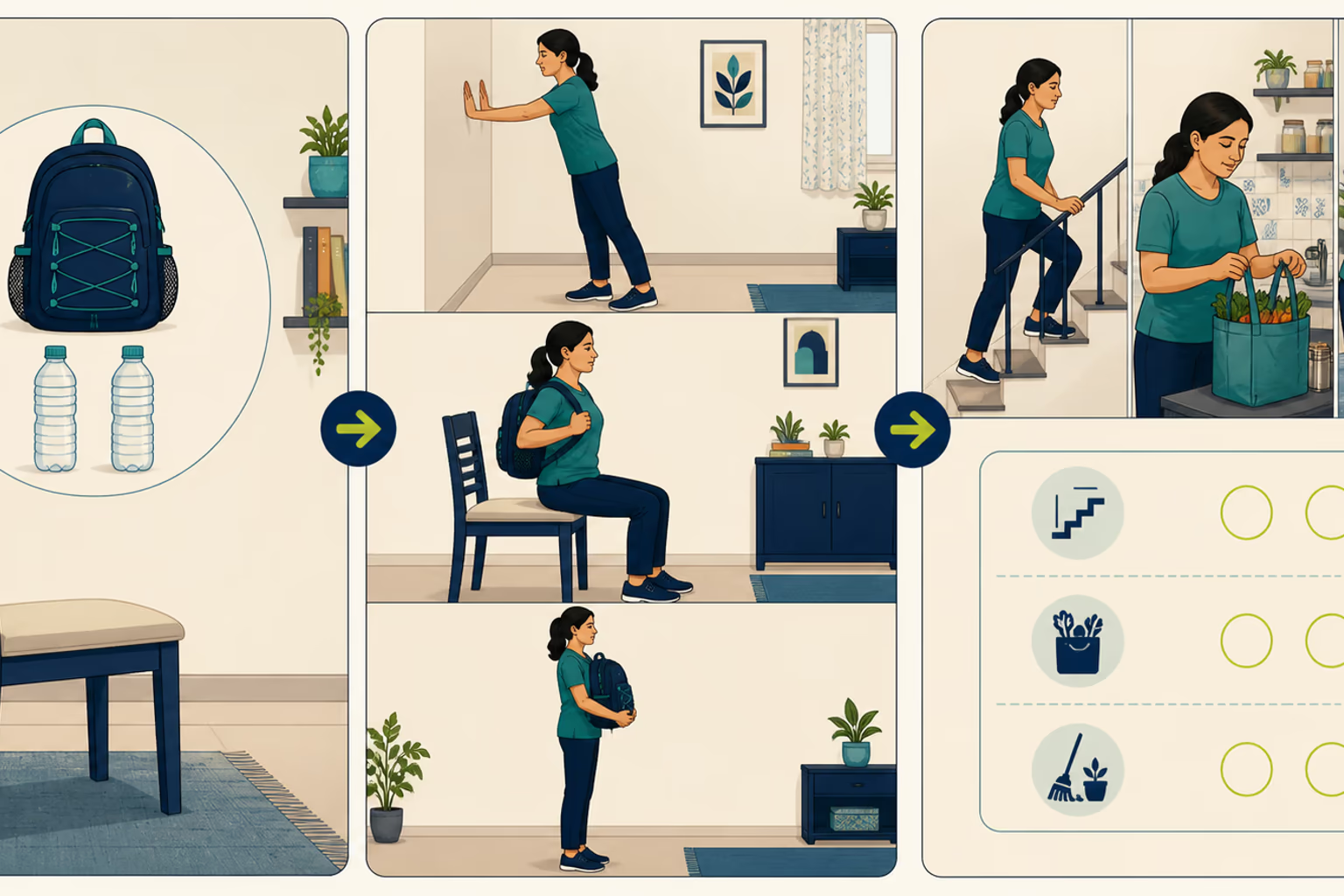
Strength does not require heavy gym equipment or getting down on a mat. Standing and supported movements engage major muscle groups by using body weight against gravity. When you press away from a wall or rise deliberately from a sturdy seat, your legs, core, and upper body engage in functional patterns that mirror daily tasks like carrying groceries, climbing stairs, or standing up from a chair.
The primary failure mode in home fitness is assuming that training is ineffective unless it involves intense floor mats or heavy gym equipment. Another frequent misstep is pushing through sharp joint discomfort during standing or supported movements instead of scaling back. If a movement feels too strenuous or unmanageable, reduce your range of motion, use a sturdier piece of furniture for balance, or consult a professional trainer to adjust the setup. Consistency and steady scaling matter more than sporadic intense sessions or maintaining a rigid daily streak.
The minimum version: chair and wall foundations
When time is tight or energy is low, start with simple, low-barrier movements anchored by your immediate environment. You do not need a dedicated workout room or a complete schedule overhaul.
Begin by using a sturdy, non-sliding chair or a clear wall space for stability. Stand facing a wall, place your hands flat at shoulder height, and bend your elbows to bring your upper body closer to the wall before pressing back. This wall push variation builds upper body strength without placing pressure on wrists or knees on the floor. Similarly, practicing controlled sit-to-stand movements from a dining chair builds lower body strength safely.
Integrate these movements on at least two days a week. Keep sessions brief, focusing on deliberate muscle engagement rather than speed or exhaustion. If you want structured support, Prime Tempr helps readers compare strength, yoga and mobility trainers who can turn general everyday goals into an appropriately progressed practice.
The normal version: progressive standing routines
As you build familiarity with supported movements, you can expand your routine to include a wider variety of standing exercises.
Adults can work toward 150 to 300 weekly minutes of moderate aerobic activity and muscle strengthening on at least two days. A sustainable normal version of a non-floor routine might involve standing leg lifts holding onto the back of a sturdy chair, gentle standing squats with a shallow range of motion, and wall slides to support posture.
Fit these movements around your actual schedule, whether that means a few minutes in the morning before work or an intentional pause during a busy day at a desk. Ground your expectations in daily functional independence rather than chasing immediate muscle definition or extreme flexibility.
Your non-floor strength starter checklist
To keep your practice grounded and manageable, review this practical checklist before your next session:
- Select a sturdy, non-sliding chair or wall space for support.
- Perform standing or seated muscle-strengthening movements on at least two days a week.
- Incorporate daily functional tasks like controlled stair climbing or carrying stable loads.
- Scale your effort based on how you feel rather than chasing a rigid streak.
- Compare local or guided trainers if you need personalized progression help.
When static guidance is not enough, or if you experience persistent discomfort, consider exploring professional instruction. You can Build useful strength with guidance to find experienced professionals who tailor movements to your exact home environment. For specific lower body focus, explore A Standing Leg Strength Routine Beside a Sturdy Chair or learn How to Practise Getting Up From A Chair With More Control.
Sources
Watch alongside this guide
Functional training explained
This ACE Fitness overview adds visual context for linking strength practice to everyday tasks while the article provides the more specific home progression.
The YouTube player stays unloaded until you choose to watch. Loading it connects to YouTube and may allow that service to process usage data.