How to Build a Small Home Sequence Library That Lasts
Build a lean, three-sequence home yoga library matched to your energy levels to stop scrolling and find guidance.
https://primetempr.com/blog/how-to-build-a-small-home-sequence-library-that-actually-las
Trying to practice yoga at home often turns into digital housekeeping. You open a device with twenty minutes to spare, spend ten of those minutes searching for a video matching your mood, and close the browser in frustration. Decision fatigue sets in quickly when your practice relies on endless bookmarks, random instructor styles, and rigid daily obligations that shatter the moment your work schedule shifts or your energy dips.
A sustainable home practice does not require a massive library of routines or a complex catalog of saved clips. It requires three reliable sequences matched to your actual energy levels, backed by clear physical activity baselines and a realistic path to human guidance when solo habits plateau.
Why endless video playlists and saved poses fail
Accumulating dozens of bookmarked videos feels like productive preparation, but it usually creates a barrier to entry. When you face a cluttered playlist, you must make choices when you are already tired, stressed, or pressed for time. This friction breaks consistency. Treating home sequences as rigid daily obligations ignores natural fluctuations in human energy. If a routine demands peak focus and flexibility every single day, you are far more likely to abandon it entirely on days when you feel drained. Curation beats accumulation every time. Instead of searching for something new, repeating a small set of familiar sequences removes hesitation and allows you to drop into the physical experience right away.
The core structure: three sequences is all you need
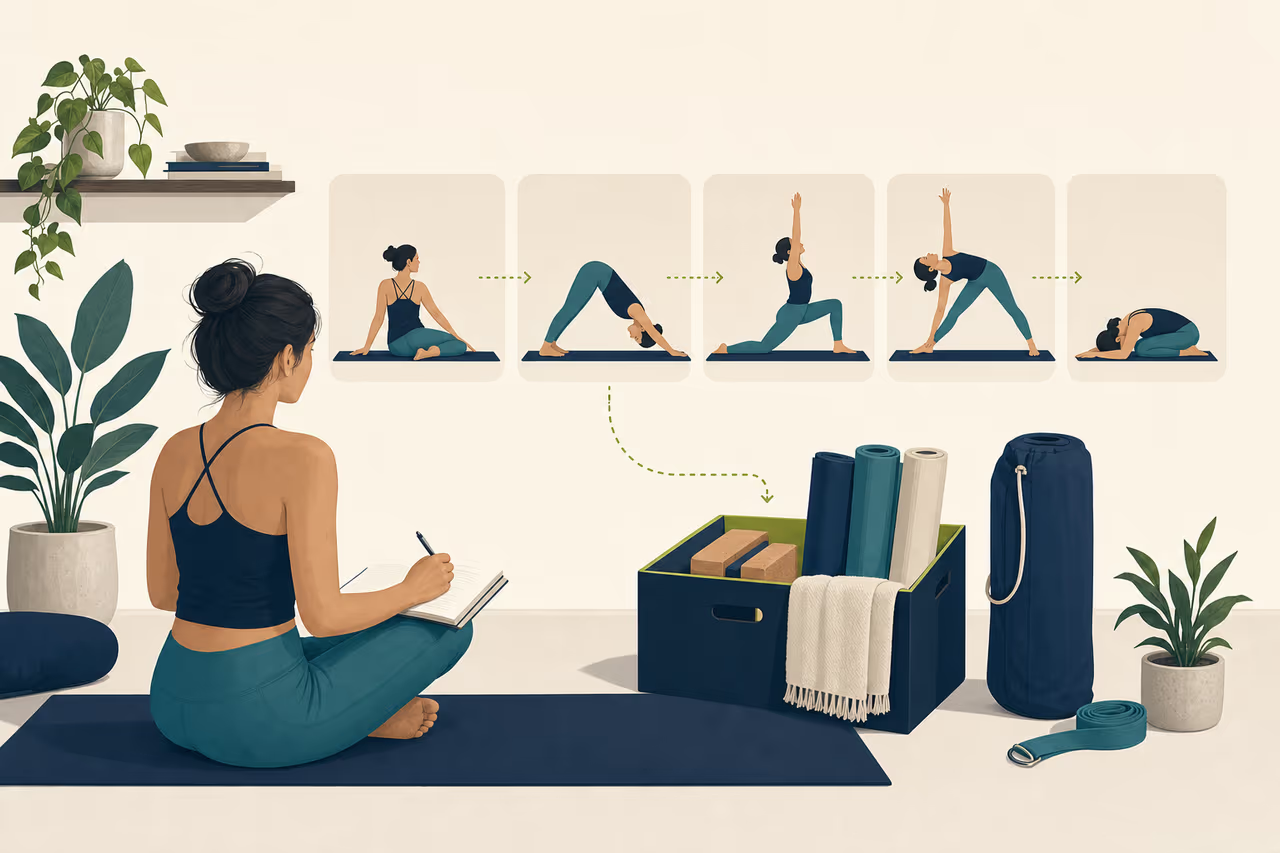
You do not need a different routine for every day of the month. A lean, effective home library relies on just three distinct sequences designed for different energy states:
- Low energy / recovery: A short, ten-minute sequence focused on gentle mobility, restorative shapes, and steady breathing for tired evenings or stressful days.
- Standard / mid energy: A fifteen to twenty-minute balanced routine covering the spine, hips, and light mobility to maintain everyday physical readiness.
- Strength / active: A twenty to thirty-minute session incorporating muscle-strengthening postures that challenge your stability and build functional power.
By keeping these three options clearly written down or sketched out on cue cards in one physical or digital spot, you eliminate search friction entirely. When you step onto your mat, you assess your current energy level and select the matching card.
Aligning your library with weekly activity guidelines
A well-designed home yoga library should support broader health baselines rather than existing in a vacuum. Public health guidance notes that any amount of physical activity is better than none, all movement counts, and muscle strengthening benefits everyone. Specifically, adults can work toward 150 to 300 weekly minutes of moderate aerobic activity, alongside muscle-strengthening activities on at least two days per week.
Your home sequence library can directly contribute to these goals. By integrating weight-bearing postures,such as stable lunges, balancing shapes, and controlled transitional movements,into your standard and strength-focused routines, your yoga practice fulfills basic strength requirements while supporting overall mobility. If you want to explore how different session lengths fit into a busy week, read more about how to choose the right yoga session length for your schedule.
The three-sequence home library blueprint
To put this approach into practice, use this straightforward guide to set up and manage your personal movement library:
- Define Sequence A (Low Energy / Recovery): 10 minutes of gentle mobility and breathing for tired evenings.
- Define Sequence B (Standard / Mid Energy): 15 to 20 minutes of balanced movement covering spine, hips, and light strength.
- Define Sequence C (Strength / Active): 20 to 30 minutes incorporating muscle-strengthening postures to support weekly guidelines.
- Centralize your cues: Store your written or drawn cue cards in one physical or digital spot to eliminate search friction.
- Schedule quarterly reviews: Assess whether your solo library is still serving your goals, or if you need to browse yoga programmes for fresh direction.
When self-directed practice isn't enough
While a small home library offers total schedule flexibility, it comes with clear trade-offs. Solo practice lacks real-time feedback on alignment, external accountability, and the nuance that an experienced instructor can provide. Repeating three standard sequences builds familiarity quickly, but it can eventually lead to stagnation or boredom if not paired with progressive variation.
If your solo routine starts to feel uninspiring, or if you notice you are skipping sessions entirely, stop searching for new content. You can scale back to a five-minute minimum version of your favorite sequence to maintain the habit, or look outward for structure. When a self-directed routine stops being enough, Prime Tempr helps readers find a trainer, studio or trainer-shared programme that can add structure and accountability. You can begin exploring local and virtual options by visiting find ongoing practice support. For further strategies on maintaining momentum without burning out, review our guide on how to build a consistent home yoga practice without starting over.
Sources
Watch alongside this guide
A 22-minute home yoga practice
Use the session as a realistic practice option while testing the article's advice on consistency and manageable scope. Source: Yoga With Adriene. This optional video is context, not evidence or personal instruction.
The YouTube player stays unloaded until you choose to watch. Loading it connects to YouTube and may allow that service to process usage data.