How to Build a Low-Cost Home Practice Kit Without Overbuying
Build a functional home practice kit using household alternatives, versatile clothing, and minimal equipment without overspending your budget.
https://primetempr.com/blog/how-to-build-a-low-cost-home-practice-kit-without-overbuying
A functional home practice kit requires very little specialized equipment. You can start safely and comfortably without spending money on expensive branded gear or buying items you do not actually need. Activity can take many forms and settings, so clothing and equipment should support safe, comfortable participation rather than create a barrier to beginning.
What You Actually Need for a Home Practice
To begin a home movement or yoga practice, you need very few items. The primary goal is to create a safe space where you can move freely without distractions. Rather than accumulating a complete set of specialized studio gear, focus on the absolute core elements: a stable surface to move on and clothing that allows an unrestricted range of motion.
Yoga styles and physical demands vary; appropriate modification and qualified instruction can reduce avoidable risk. Because physical needs change depending on the style of movement you choose, keeping your initial setup simple allows you to adapt as your preferences become clear. You do not need an elaborate home studio setup or matching accessories to begin building a consistent routine.
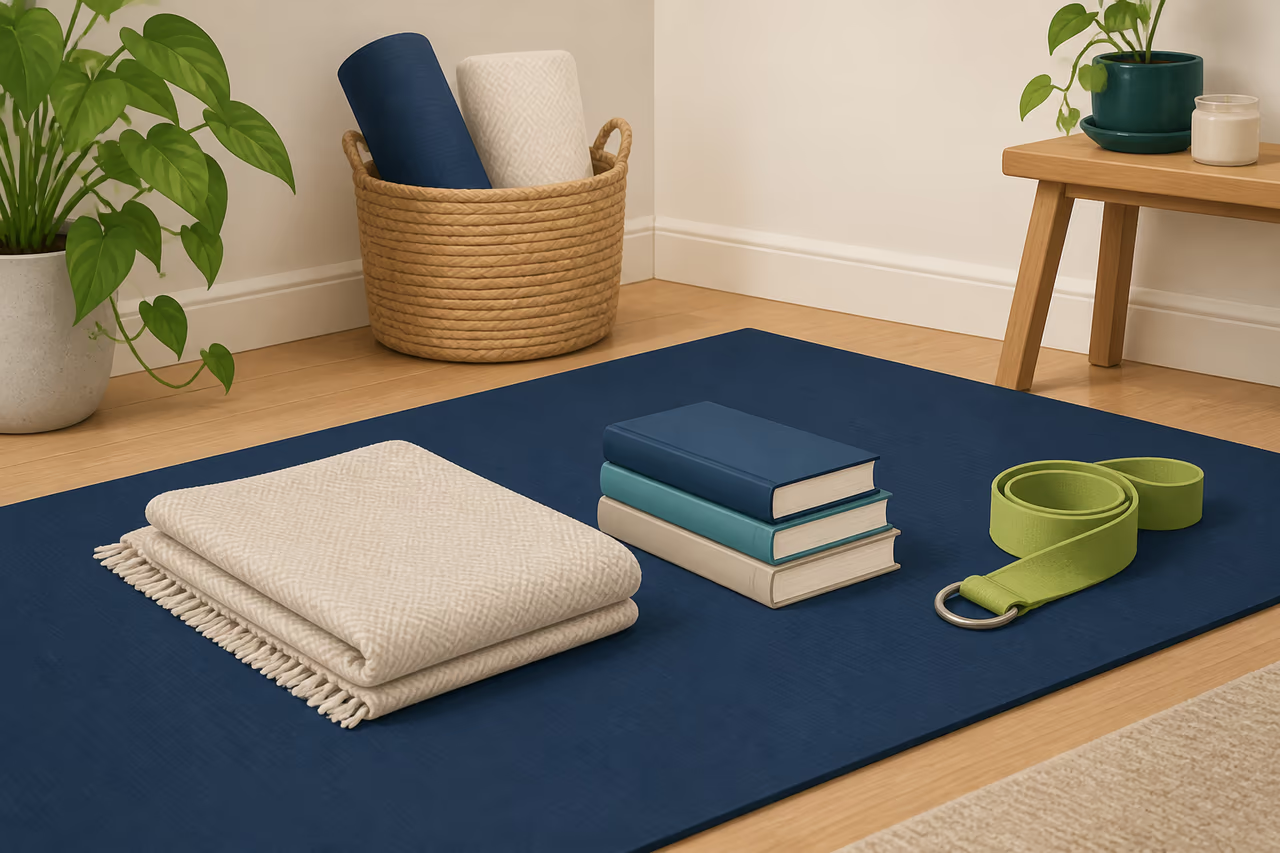
Household Substitutes and Low-Cost Alternatives
Specialized yoga props like blocks, straps, and bolsters are helpful supports, but they are entirely optional when you are starting out. You can easily substitute everyday household items to support your practice.
Firm cushions or folded pillows can replace meditation cushions and bolsters. Sturdy hardcover books work well as substitutes for yoga blocks when you need to bring the floor closer in standing or seated postures. A rolled-up bath towel or a sturdy belt can double as a yoga strap for seated stretches.
Keep in mind that there are practical trade-offs to using household alternatives. Household substitutes like rolled blankets or books lack the exact dimensions and grip of professional props. Inexpensive entry-level mats may also wear out faster or provide less cushioning on hard flooring. However, these alternatives allow you to test whether you will use the equipment regularly before committing to a financial purchase.
Choosing Comfortable and Versatile Clothing
You do not need specialized athletic wear or designer activewear brands to practice comfortably. The main requirement for clothing is that it allows your body to move freely without binding, pinching, or requiring constant adjustment during movement.
Look inside your current wardrobe for items that stretch and breathe well. Soft cotton t-shirts, athletic shorts, leggings, or loose knit trousers are usually sufficient. Avoid clothing with heavy metal zippers, abrasive buttons, or restrictive waistbands that press into your skin when you sit or lie down. Clothing should support comfortable participation rather than create a financial barrier to beginning your routine.
Low-Cost Home Practice Starter Checklist
Use this checklist to build your home kit deliberately and avoid unnecessary purchases.
- Assess what clothing you already own that allows free movement and comfort.
- Identify household alternatives for props, such as firm cushions, rolled blankets, or sturdy books.
- Check with local teachers or studios about what is actually provided versus what you need to bring. Prime Tempr helps readers compare class formats and contact teachers or studios about what is provided, what to bring and which options suit the actual setting.
- Select one simple foundational item to test before buying a complete set.
Next Steps and Finding Guidance
Once you have gathered your basic clothing and household alternatives, the next step is to observe how your kit performs in a real practice setting. Yoga styles and physical demands vary; appropriate modification and qualified instruction can reduce avoidable risk.
If you decide to take classes outside the home, you can Explore beginner-friendly practice options to see what different local environments offer. You can also Find a yoga teacher to receive personalized guidance on alignment, modifications, and proper prop use. Before purchasing specialized equipment, consult local instructors about whether professional props are genuinely necessary for the specific style of movement you want to pursue.
Sources
Watch alongside this guide
How to use yoga blocks
See several practical block options before deciding which props, if any, make the article's practice more comfortable. Source: Stephanie Tencer, Iyengar Yoga. This optional video is context, not evidence or personal instruction.
The YouTube player stays unloaded until you choose to watch. Loading it connects to YouTube and may allow that service to process usage data.