How to Avoid Doing Too Much Yoga Too Soon
Build a sustainable yoga routine by pacing your practice, dropping rigid streaks, and avoiding physical and mental burnout.
https://primetempr.com/blog/how-to-avoid-doing-too-much-yoga-too-soon
Lasting consistency comes from proportionate pacing rather than maximum daily intensity, keeping movement sustainable over strict streaks. When people decide to start a yoga routine, enthusiasm is usually at its peak. It is common to commit to hour-long daily sessions, clear a pristine corner of the living room, and track unbroken chains of practice days.
Unfortunately, this all-or-nothing approach frequently collapses. Physical fatigue accumulates, mental resistance builds up, and a missed day feels like a total failure, prompting many people to quit altogether. Avoiding burnout requires understanding your physical limits, abandoning rigid perfectionism, and treating movement as a long-term habit rather than an emergency fitness sprint.
Why Early Enthusiasm Backfires in Yoga
Treating yoga like a high-stakes endurance test ignores how human motivation and physical adaptation actually work. When you suddenly demand that your body and schedule adapt to daily, intense movement, you create immediate friction.
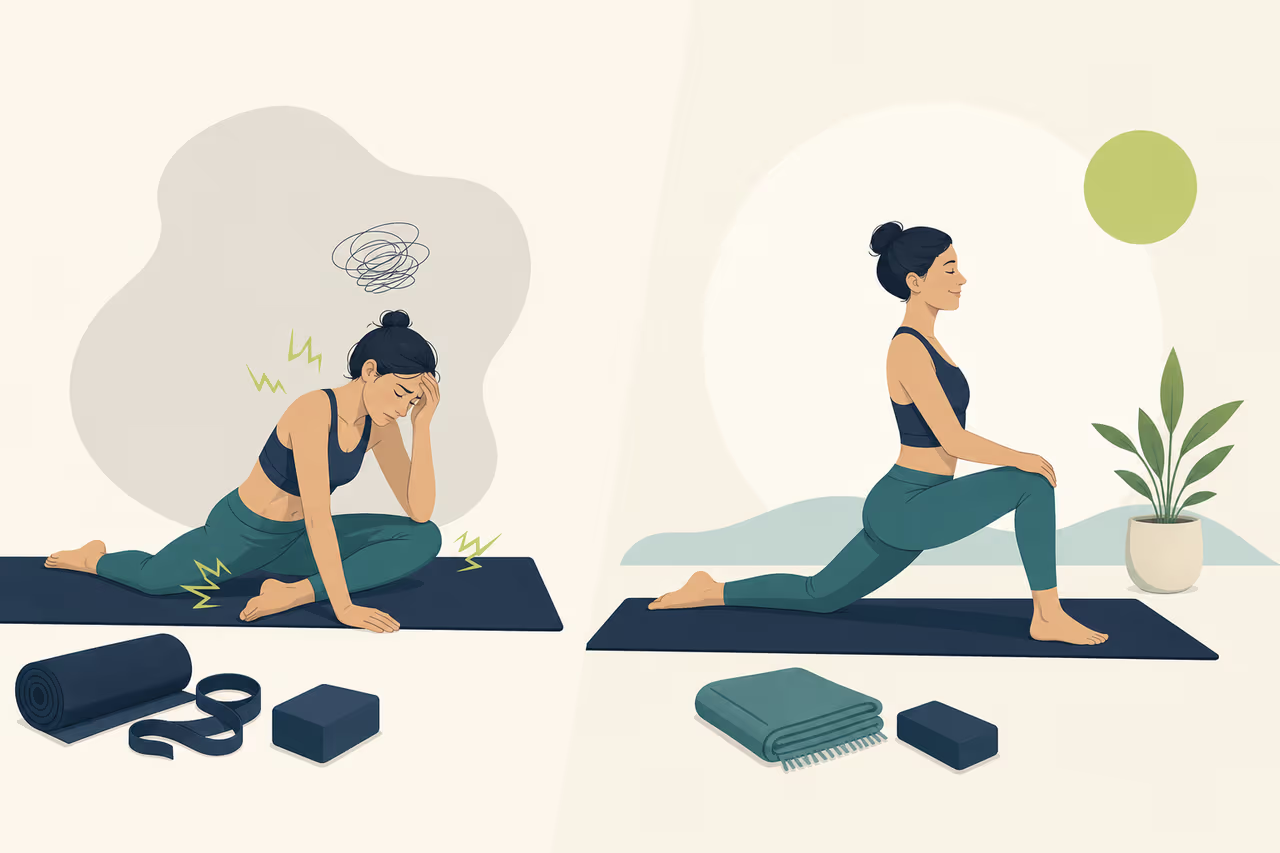
The failure modes of starting a new practice are predictable. Chasing an unbroken streak turns a restorative practice into a source of stress. If life interrupts your schedule and you miss a day, the psychological penalty of breaking a streak can make you feel like you have ruined your progress. Jumping straight into lengthy sessions places unfamiliar loads on joints and connective tissue before they have adapted. Recognizing that any amount of physical activity is better than none helps reframe progress away from punishing daily extremes.
Understanding Realistic Weekly Movement Guidelines
To stop worrying about whether you are doing "enough" yoga every single day, it helps to look at broader, evidence-backed physical activity standards. Public health guidance offers a helpful baseline that relieves the pressure of constant intensity.
According to established physical activity standards, adults can work toward 150 to 300 weekly minutes of moderate aerobic activity and muscle strengthening on at least two days. All activity counts, and muscle strengthening benefits everyone.
| Activity Focus | Recommended Target | Why It Matters |
|---|---|---|
| Moderate Activity | 150 to 300 minutes weekly | Supports cardiovascular health and sustained energy without requiring daily exhaustion. |
| Muscle Strengthening | At least two days per week | Builds foundational strength to protect joints and support daily movement. |
| Rest and Recovery | Built into weekly schedule | Prevents physical fatigue and allows tissues to adapt to new loads. |
Viewed through this lens, yoga does not need to dominate every single hour of your week to be effective. It can sit comfortably alongside walking, strength training, and necessary rest days.
Signs Your Home Routine Is Too Much, Too Fast
Physical fatigue and mental dread rarely arrive overnight. They build gradually as your routine outpaces your recovery capacity. Spotting the warning signs early lets you adjust your practice before you abandon it completely.
Common indicators that your home routine is becoming unsustainable include:
- Dread before practice: If stepping onto the mat feels like an exhausting chore rather than a welcome pause, your volume or intensity is likely too high.
- Persistent joint or muscle soreness: Lingering stiffness that does not clear up between sessions suggests your body is not getting enough recovery time.
- Rigid schedule anxiety: Feeling guilty or anxious when a busy day forces you to skip a session indicates that your rules have become more demanding than the practice itself.
How to Scale Back and Protect Your Consistency
If you recognize the signs of burnout, your recovery path involves taking a complete rest day, scaling session lengths down to a manageable minimum, and reassessing your goals. You do not need to stop moving entirely; you simply need a smaller, more sustainable baseline.
Slower pacing means visible milestones take longer to accumulate, which is a real trade-off. Stepping back from a daily streak can feel like a loss of discipline, even though it protects your long-term consistency. To manage this transition, embrace the minimum effective dose. Swap 60-minute daily sessions for 15-minute movements that you can comfortably repeat without draining your energy reserves.
For more ideas on managing your schedule, read our guide on how to build a consistent home yoga practice without starting over.
Pacing Check: Are You Doing Too Much Yoga Too Soon?
Use this practical checklist to evaluate your current routine and bring balance back to your movement schedule.
- Cap your starting home sessions at 15 to 20 minutes rather than committing to hour-long classes daily.
- Schedule at least two clear rest or lighter movement days each week.
- Combine your yoga with foundational movement like walking, aligning with public health guidelines for moderate activity.
- Review your weekly schedule honestly when motivation starts turning into dread.
- Explore professional guidance if self-guided pacing leaves you constantly fatigued.
When Self-Directed Pacing Is Not Enough
Independent routines work well until they do not. If you find yourself repeatedly cycling between intense enthusiasm and complete burnout, self-guided adjustments may no longer be enough to keep you on track.
Prime Tempr helps readers find a trainer, studio or trainer-shared programme that can add structure and accountability after a self-directed routine stops being enough. External guidance removes the guesswork of deciding how much to practice, helping you maintain steady, injury-free progress without burning out. Explore options to find ongoing practice support when you are ready to transition from solo trial-and-error to structured, professional-led guidance.
Sources
- Physical activity (opens in a new tab), World Health Organization
- Top 10 Things to Know About the Physical Activity Guidelines (opens in a new tab), Office of Disease Prevention and Health Promotion
Watch alongside this guide
A 22-minute home yoga practice
Use the session as a realistic practice option while testing the article's advice on consistency and manageable scope. Source: Yoga With Adriene. This optional video is context, not evidence or personal instruction.
The YouTube player stays unloaded until you choose to watch. Loading it connects to YouTube and may allow that service to process usage data.