How to Adapt Your Yoga Practice to Daily Energy Levels
Adjust your yoga routine to match daily energy without guilt and learn when to seek professional support.
https://primetempr.com/blog/how-to-adapt-your-yoga-practice-to-daily-energy-levels
A rigid yoga routine or strict daily schedule stops working when energy levels fluctuate unpredictably, leading to guilt, dropped habits, or quitting altogether. If you have ever forced yourself through an advanced Vinyasa flow while exhausted, only to feel more depleted or abandon your mat for a month, you already know the cost of inflexibility.
Adapting your yoga practice to match your daily energy rather than forcing a rigid routine protects consistency and honours physical reality. Any amount of physical activity is better than none, all activity counts, and muscle strengthening benefits everyone. Rather than viewing low energy as a personal failure or an excuse to quit entirely, you can adjust your movement style to meet your body where it is today.
Why Rigid Yoga Routines Collapse Under Fatigue
Many practitioners fall into the trap of measuring success by strict calendar streaks or high-intensity classes. When life brings poor sleep, high work stress, or natural physical fatigue, that rigid framework shatters.
Common failure modes in self-directed routines include:
- Treating low energy as a personal failure and forcing high-intensity workouts regardless of fatigue.
- Abandoning movement altogether on tired days instead of scaling down to a shorter or gentler version.
- Relying entirely on rigid 30-day streaks that collapse at the first sign of burnout.
When you treat every day as an opportunity for maximum output, normal biological fluctuations feel like setbacks. The key to long-term consistency is swapping all-or-nothing thinking for a flexible scaling model. Public health guidelines note that adults can work toward 150 to 300 weekly minutes of moderate aerobic activity and muscle strengthening on at least two days. Your daily yoga practice can contribute to these targets flexibly, absorbing low-energy days without derailing your weekly progress.
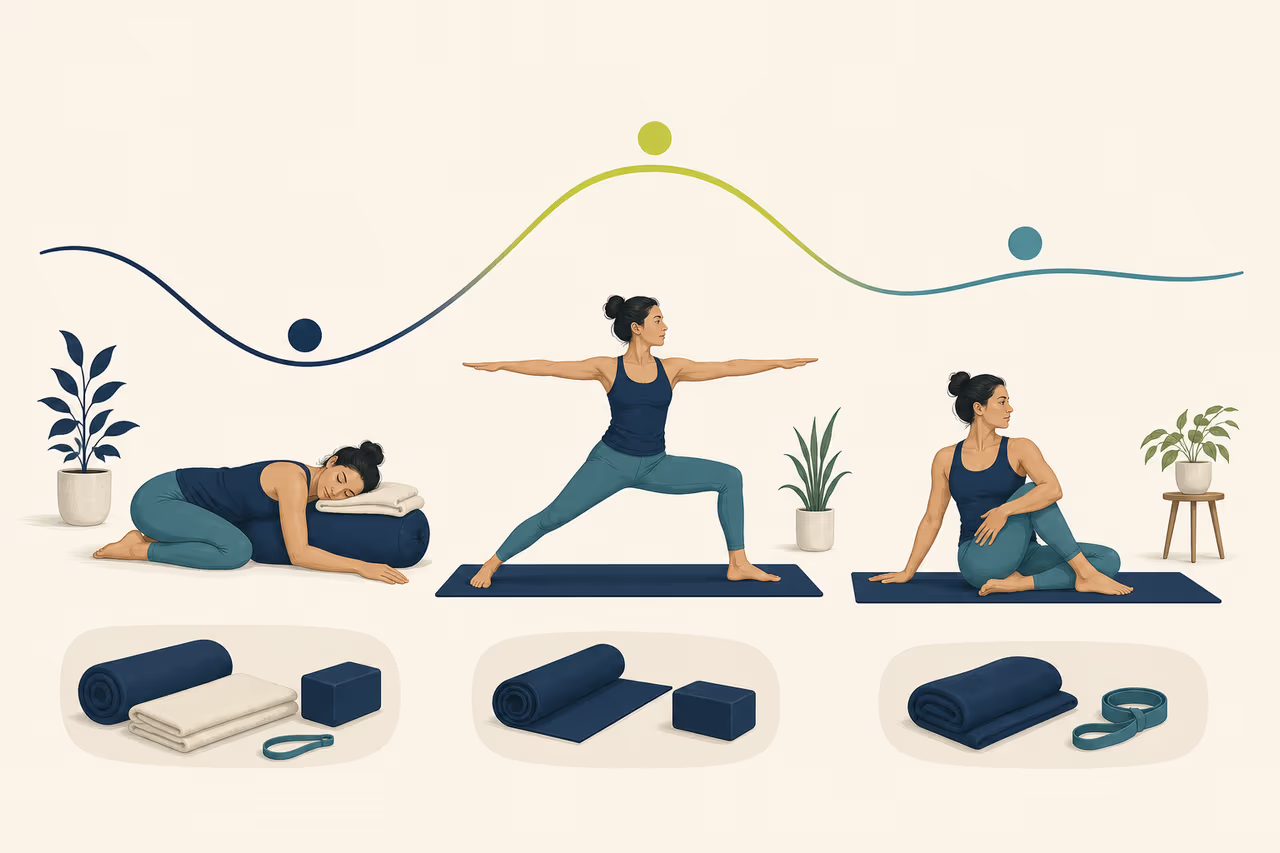
Matching Practice Intensity to Your Daily Energy
Knowing whether to roll out your mat for a vigorous session or a restorative rest depends on an honest assessment of your current reserves. Scaling down your practice on low-energy days means slower progression in advanced poses, but it preserves long-term habit consistency.
| Energy State | Physical Signifiers | Recommended Practice Adjustment |
|---|---|---|
| High Energy | Alert, strong, ready to move | Moderate-to-vigorous flow, active balance, or strength-focused holds aligned with weekly targets. |
| Moderate Energy | Stable but tired, routine daily fatigue | Steady mobility work, baseline stretching, or foundational alignment practice. |
| Depleted Energy | Heavy limbs, brain fog, poor sleep | Restorative floor postures, intentional breathwork, or a complete rest day without guilt. |
Self-adapting requires honest self-awareness, which can sometimes be harder than following a rigid predetermined plan. It is entirely normal to feel a brief pang of resistance when trading a power flow for a 15-minute gentle stretch. However, choosing the appropriate intensity prevents injury, avoids exhaustion, and keeps you coming back to your mat over months and years rather than days.
Daily Energy Check-In & Practice Scaler
Use this quick checklist before you start moving to determine your best path forward:
- Assess your current physical energy (high, moderate, or depleted) before rolling out your mat.
- Match high energy to a strengthening or moderate flow practice aligned with weekly guidelines.
- Match moderate energy to steady mobility and baseline movement.
- Match depleted energy to a restorative practice, breathwork, or a complete rest day.
- Consult a professional trainer if self-guided adjustments lead to constant second-guessing.
When Self-Directed Customization Isn't Enough
While adjusting your practice at home works well for many weeks or months, self-adaptation has limits. If you find yourself constantly second-guessing your choices, feeling isolated in your practice, or losing momentum because every session requires making up the rules from scratch, self-guided routines may have run their course.
When a self-guided routine becomes exhausting or confusing to modify on your own, look for a trainer-shared programme or external studio support to share the decision-making load. Having an external schedule or professional guidance removes the mental fatigue of deciding what to do every single day.
If you are ready to add external accountability and structured guidance back into your movement journey, Find ongoing practice support or Browse yoga programmes tailored to varied energy levels. You can also explore How to Build a Consistent Home Yoga Practice Without Starting Over for more strategies on sustainable habit formation.
Sources
- Physical activity (opens in a new tab), World Health Organization
- Top 10 Things to Know About the Physical Activity Guidelines (opens in a new tab), Office of Disease Prevention and Health Promotion
Watch alongside this guide
A 22-minute home yoga practice
Use the session as a realistic practice option while testing the article's advice on consistency and manageable scope. Source: Yoga With Adriene. This optional video is context, not evidence or personal instruction.
The YouTube player stays unloaded until you choose to watch. Loading it connects to YouTube and may allow that service to process usage data.