How Often Should a Beginner Do Yoga?
Build a sustainable beginner yoga routine with flexible consistency, not rigid schedules or burnout.
https://primetempr.com/blog/how-often-should-a-beginner-do-yoga-a-practical-guide-to-sus
Introduction: The Beginner's Question (and the Simple Answer)
Beginners often ask how often they should practice yoga. The idea of committing to an intense, daily routine can feel overwhelming when life gets busy.
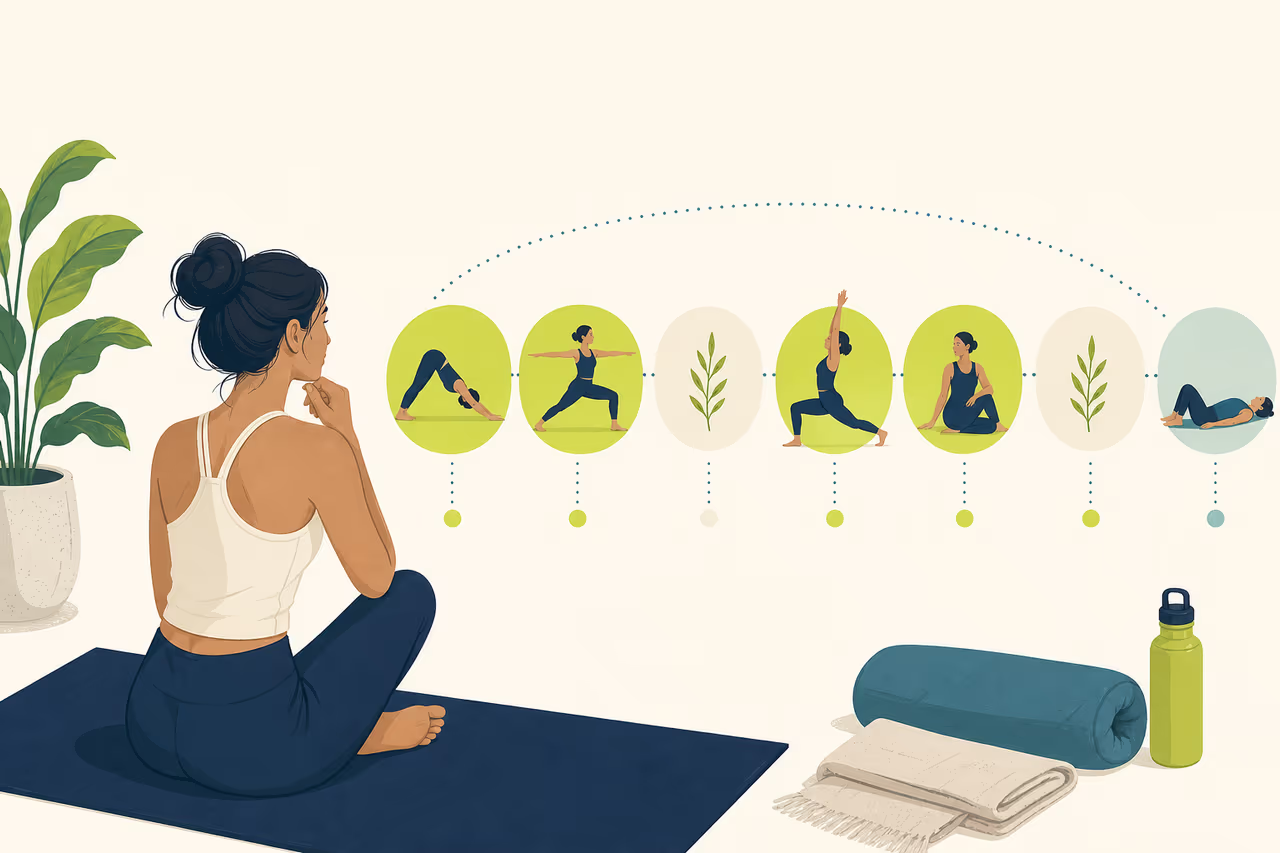
There is no single ideal number for yoga frequency. Two to three sessions per week is a manageable goal for most beginners. Any amount of yoga practice benefits beginners, and consistency matters more than rigid practice streaks. You do not need daily, hour-long classes to experience the benefits of movement and breath.
Why "Any Amount" is the Best Starting Point
Many beginners believe that if they cannot practice for a full hour every day, the effort is not worthwhile. This all-or-nothing mindset often leads to frustration and quitting before a habit can form.
In reality, any amount of yoga practice is beneficial for beginners. Short sessions of 5 to 15 minutes are valuable when time is limited. Integrating movement into daily life supports sustainable habits, ensuring that your practice adapts to your actual schedule rather than demanding that your life bend around an impossible routine.
Recommended Frequency for Beginners: Finding Your Sweet Spot
When building a new routine, finding a frequency you can maintain without resentment or exhaustion is key.
Starting with two to three sessions per week is a manageable goal for most beginners. This allows ample days for rest, recovery, other physical activities, or daily responsibilities. If your schedule is tight, you can break this down into shorter, more frequent check-ins with your mat.
As you explore different styles and teachers,perhaps by browsing local options or online resources like our guide to Starting Yoga,you can see what rhythm feels most natural for your body.
The Benefits of Consistent (Not Perfect) Practice
Tracking apps or unbroken streaks can create pressure, making you believe missing a day ruins progress. However, regularity matters more than maintaining rigid practice streaks.
Consistent practice supports physical and mental wellbeing over the long term. Practicing without the anxiety of breaking a streak helps you notice subtle shifts in mobility, stress levels, and body awareness. Regular, moderate exposure to yoga builds familiarity with postures and breathing techniques more effectively than sporadic, exhausting weekend marathons.
Listening to Your Body: Avoiding Burnout and Injury
One of the greatest risks for beginners is pushing too hard, too fast. Striving for an aggressive schedule often leads to physical strain or mental exhaustion.
Listening to your body prevents injury and burnout. Beginners can adjust frequency and intensity based on how they feel each day. If you wake up feeling depleted or sore, swapping a vigorous flow for a gentle stretch or a few minutes of quiet breathing is intelligent practice, not a failure of willpower.
Fitting Yoga into a Busy Life: Practical Strategies
Life rarely clears a perfect space for a 60-minute class every day. To keep yoga sustainable, flexibility is essential.
Short sessions of 5 to 15 minutes are valuable when time is limited. You might roll out your mat for a quick sequence before work, or simply take ten minutes of mindful breathing before bed. Integrating movement into daily life supports sustainable habits, making yoga an accessible tool rather than another chore on your to-do list.
Your Flexible Beginner Yoga Practice Plan
A straightforward framework can help you adapt these concepts to your real life.
- Start with 2-3 sessions per week: Aim for 15 to 30 minutes per session to build comfort and familiarity.
- Listen to your body: Adjust duration or intensity based on your daily energy levels and physical feedback.
- Incorporate short bursts: Remember that even 5-10 minutes of mindful movement or breathwork counts on exceptionally busy days.
- Prioritize consistency over intensity: Choose a sustainable rhythm rather than forcing an exhausting daily schedule.
- Explore different approaches: Try various styles and teachers to see what suits your current energy and goals. When you are ready to expand your practice, you can Find a yoga teacher or Browse yoga programmes that fit your preferences.
When to Adjust Your Practice (More or Less)
Your life and body will change over time, and your practice frequency should reflect those shifts.
Beginners can adjust frequency and intensity based on how they feel. If you dread your mat or feel consistently fatigued, scale back. Conversely, if you feel energized and have extra time, you might gently add a short session. Flexibility keeps a practice alive for years, not just weeks.
Beyond Frequency: What Else Matters for Beginners
While counting sessions per week is a common starting metric, yoga is In practice, a personal exploration.
Yoga can be tailored to individual needs and schedules. Whether you are looking to loosen tight hips from a desk job or simply find a moment of calm, the quality of your attention matters more than the frequency of your calendar entries. If you want to see what options are available near you, you can also check local studio listings through our portal to Find yoga near you.
Conclusion: Start Where You Are, Practice How You Can
For beginners, consistent and sustainable practice, even in small doses, builds a lasting foundation for wellbeing. Start with what you can manage today, listen to your body, and let your practice evolve naturally alongside your life.
Sources
- Yoga: Effectiveness and Safety (opens in a new tab) - National Center for Complementary and Integrative Health
- Physical Activity (opens in a new tab) - World Health Organization
Watch alongside this guide
Yoga for complete beginners
Use this optional beginner session to see pacing, transitions, and rest choices in a complete home practice. Source: Yoga With Adriene. This optional video is context, not evidence or personal instruction.
The YouTube player stays unloaded until you choose to watch. Loading it connects to YouTube and may allow that service to process usage data.