How Long Should Beginners Meditate? A Practical Guide
Discover the right meditation duration for beginners, why daily consistency matters more than long sessions, and how to start safely.
https://primetempr.com/blog/how-long-should-beginners-meditate-a-practical-guide
For beginners, consistency and comfort matter far more than duration; starting with 5 to 10 minutes helps build a sustainable habit without unnecessary frustration.
Beginners often feel overwhelmed by conflicting duration advice,ranging from two-minute breathing exercises to hour-long silent retreats,and mistake long sits or perfect streaks for "good" practice. This pressure frequently leads to burnout, frustration, or the mistaken belief that meditation is failing if the mind refuses to stay quiet.
Understanding how long to sit, what trade-offs to expect, and where self-guided practice has limits helps you establish a routine that supports wellbeing.
The Short Answer: Start With 5 to 10 Minutes
For most people sitting down for the first time, a daily window of 5 to 10 minutes strikes the right balance. This duration is long enough to settle into physical posture and notice the breath, but short enough to prevent physical stiffness and mental fatigue.
Trying to jump straight into 30 or 60 minutes often backfires. When beginners force themselves into extended sessions before building familiarity with physical stillness, the experience can turn into an endurance test.
Why Consistency Beats Duration
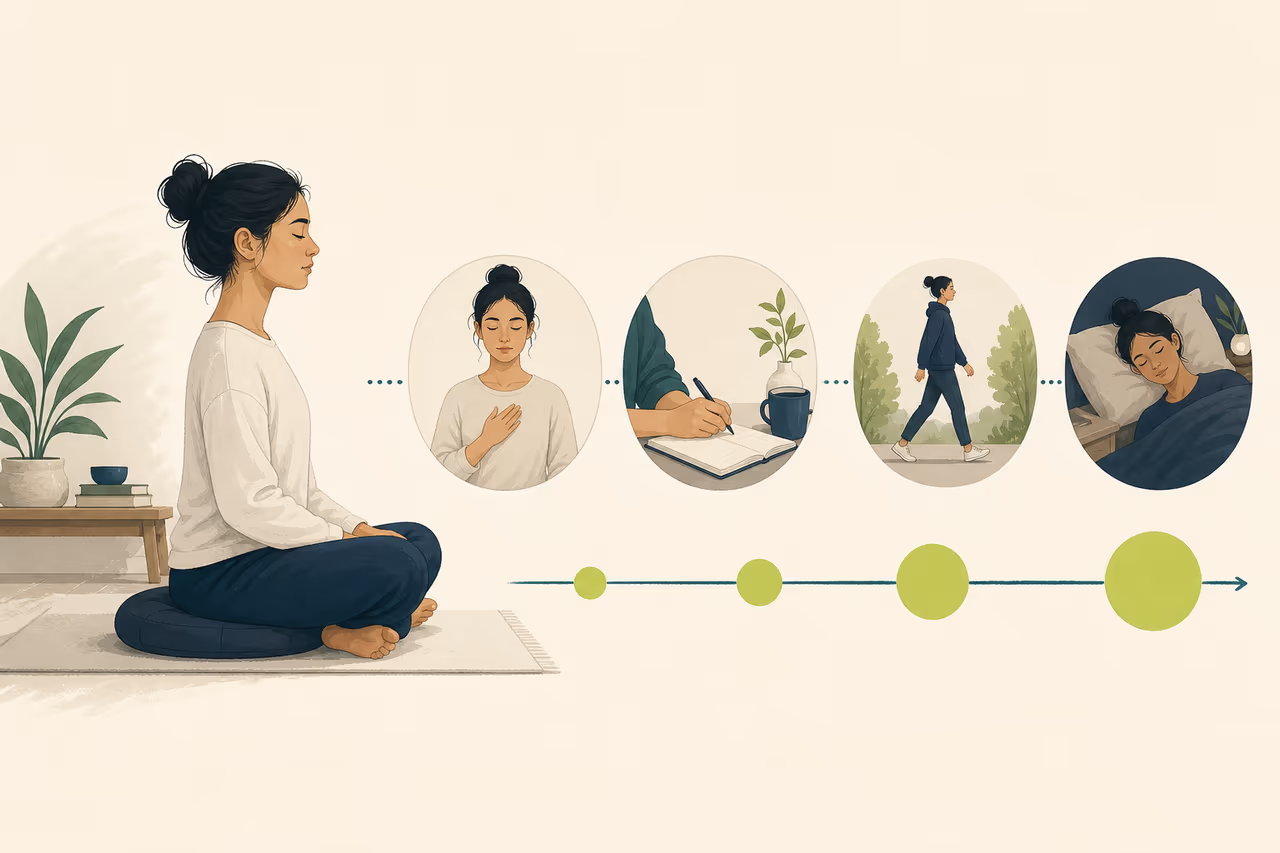
A short, daily practice consistently maintained yields more familiarity than a sporadic, hour-long session. Habit formation relies on reducing friction, so setting aside 5 minutes each morning or evening makes it easier to integrate meditation into a busy schedule.
Shorter sessions carry clear trade-offs. While easier to maintain, they offer less time to settle. You may spend the entire 5 minutes noticing busy thoughts, which is entirely normal. The goal of an introductory practice is not to empty the mind, but to notice wandering attention and gently return to your anchor.
Understanding the Limits and Trade-Offs of Practice
Approach meditation with clear expectations about its limits. Practices vary widely, and research shows mixed outcomes depending on the individual and approach. While many find relaxation and mental clarity, institutional health reviews note that a minority of participants report negative experiences, such as increased anxiety or heightened discomfort.
Relaxation approaches, including focused breathing, guided imagery, and progressive relaxation, support everyday wellbeing, but they should not replace conventional medical or psychological care. If you manage significant stress, trauma, or clinical health conditions, meditation is a complement rather than a substitute for professional treatment.
Common Failure Modes for Beginners
Recognizing typical pitfalls can help you adjust your approach before frustration sets in.
- The Duration Trap: Forcing long sessions and burning out within a week.
- The Perfectionism Trap: Judging the quality of a session by how "calm" or "empty" your mind felt.
- The Replacement Trap: Relying on self-guided meditation to address medical or psychological symptoms instead of seeking professional care.
Beginner Meditation Starter Checklist
If you are ready to begin or refine your routine, use this practical checklist to keep your expectations grounded.
- Commit to a realistic initial window of 5 to 10 minutes per day.
- Choose a quiet, comfortable posture where you can remain upright and relaxed.
- Use a simple anchor like natural breath rhythm rather than forcing control.
- Note any physical tension or frustration without judgment, and gently return to the anchor.
- Explore trainer-led support if you experience persistent discomfort or want personalized feedback.
When to Seek Qualified Guidance
Self-guided apps and books offer flexibility, but they lack real-time feedback when physical discomfort, boredom, or emotional resistance arises. If you repeatedly struggle with posture, feel overwhelmed during silence, or question your safety, working with an experienced teacher makes a significant difference.
Prime Tempr helps readers find trainers who explain breathing and meditation in context, turning an introductory article into a starting point rather than a substitute for responsive guidance. Connecting with a qualified professional allows you to ask questions tailored to your body and routine, keeping your practice sustainable.
Related Resources
Sources
Watch alongside this guide
Breathing meditation
This short guided meditation lets you follow the basic attention and breathing ideas described in the article. Source: UCLA Health. This optional video is context, not evidence or personal instruction.
The YouTube player stays unloaded until you choose to watch. Loading it connects to YouTube and may allow that service to process usage data.